
Chemicals are integral to everyday life, from shampoo and cleaning products to body lotions and cosmetics. Despite the vital role the chemical industry plays globally, approximately 90% of the sector’s feedstocks are derived from fossil sources, accounting for around 6% of global CO2-equivalent emissions. Furthermore, chemical products often end up in the environment after use, exacerbating pollution and waste challenges.
A circular economy has emerged as a strategy to address these challenges. It emphasises resource efficiency and waste minimisation through the implementation of the 9r principles: refuse, rethink, reduce, reuse, repair, refurbish, remanufacture, repurpose, recycle, and recover.
With today’s technologies, replacing fossil-fuel-based feedstocks with renewable alternatives from circular sources is possible, but at a higher production cost. For example, Unilever piloted a “proof of concept” for three detergent products in China, Germany and South Africa, where traditional fossil-derived ingredients were replaced with materials from captured industrial emissions. Such initiatives remain small-scale and limited to specific product lines.
While technological innovation is essential, consumer perceptions of sustainability and environmental responsibility directly influence market demand and societal behaviour. Therefore, understanding the factors that drive consumers to adopt or reject circular chemical products is essential for accelerating the transition towards a circular chemical economy.
Consumer perception of chemical products
By analysing the views of over 3,000 consumers on circular chemical products, with a focus on familiar household products, we gain valuable insights regarding consumer knowledge, attitudes, and behaviours toward sustainable alternatives.[1]
- Consumer knowledge
Consumers demonstrate moderate awareness of chemicals and the policies governing the use, disposal, and recycling of chemicals (see Figures 1 and 2). Encouragingly, a majority express strong environmental concern and a willingness to take personal responsibility (see Figure 3). However, while consumers are relatively knowledgeable about packaging waste, particularly plastics, they often lack awareness of the chemical waste that is flushed down the drain.
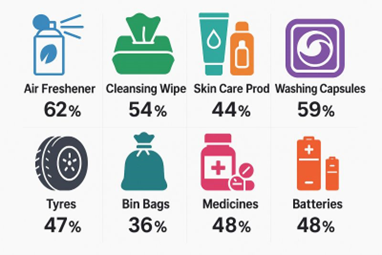
Figure 1: Percentage of respondents correctly identifying chemical content in various household products.
Figure 2: Policy awareness
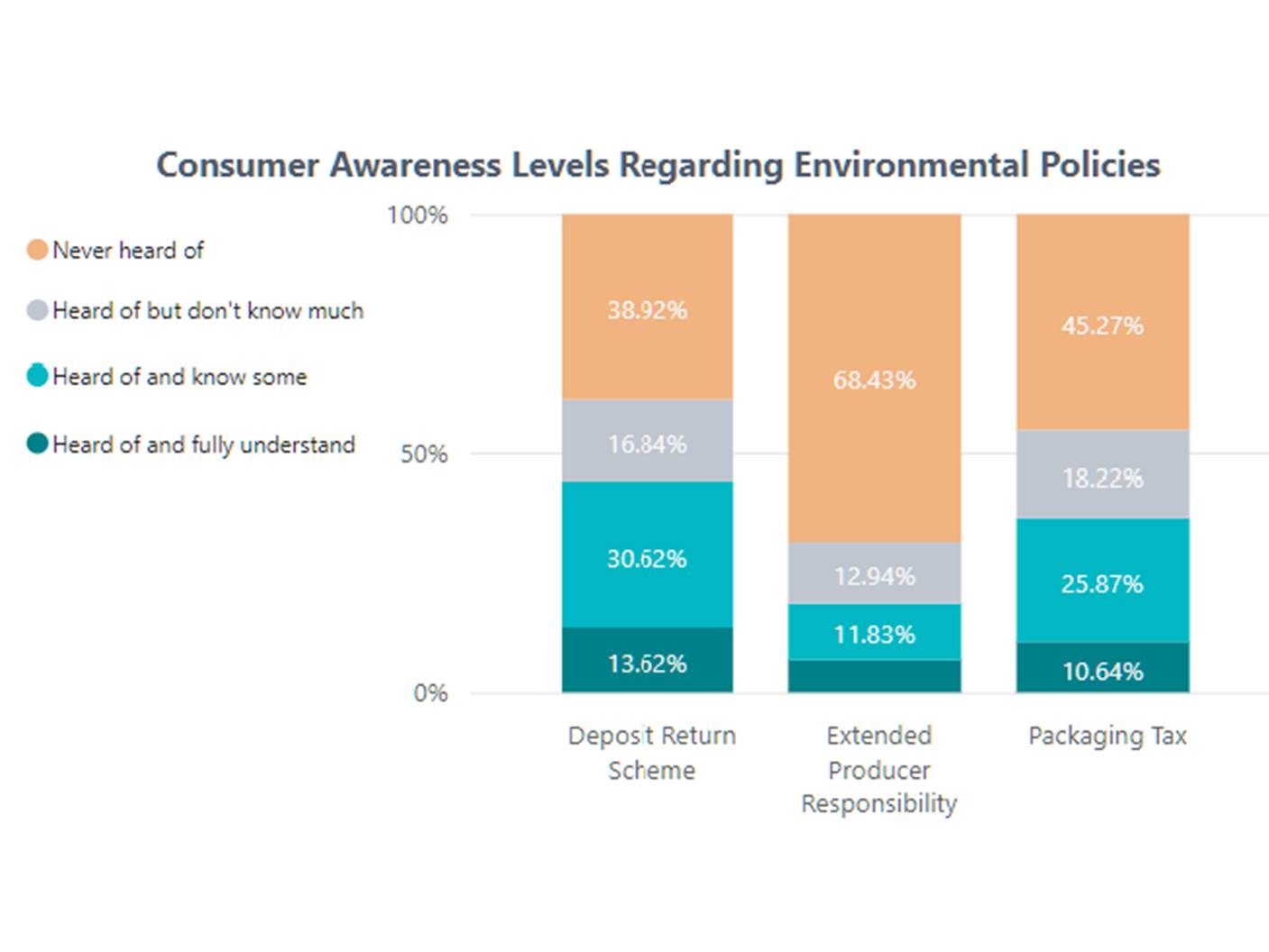
Notably, although there is general support for circular products and recycling efforts, consumers display scepticism towards brands that make green claims, suggesting a trust gap that needs to be addressed.
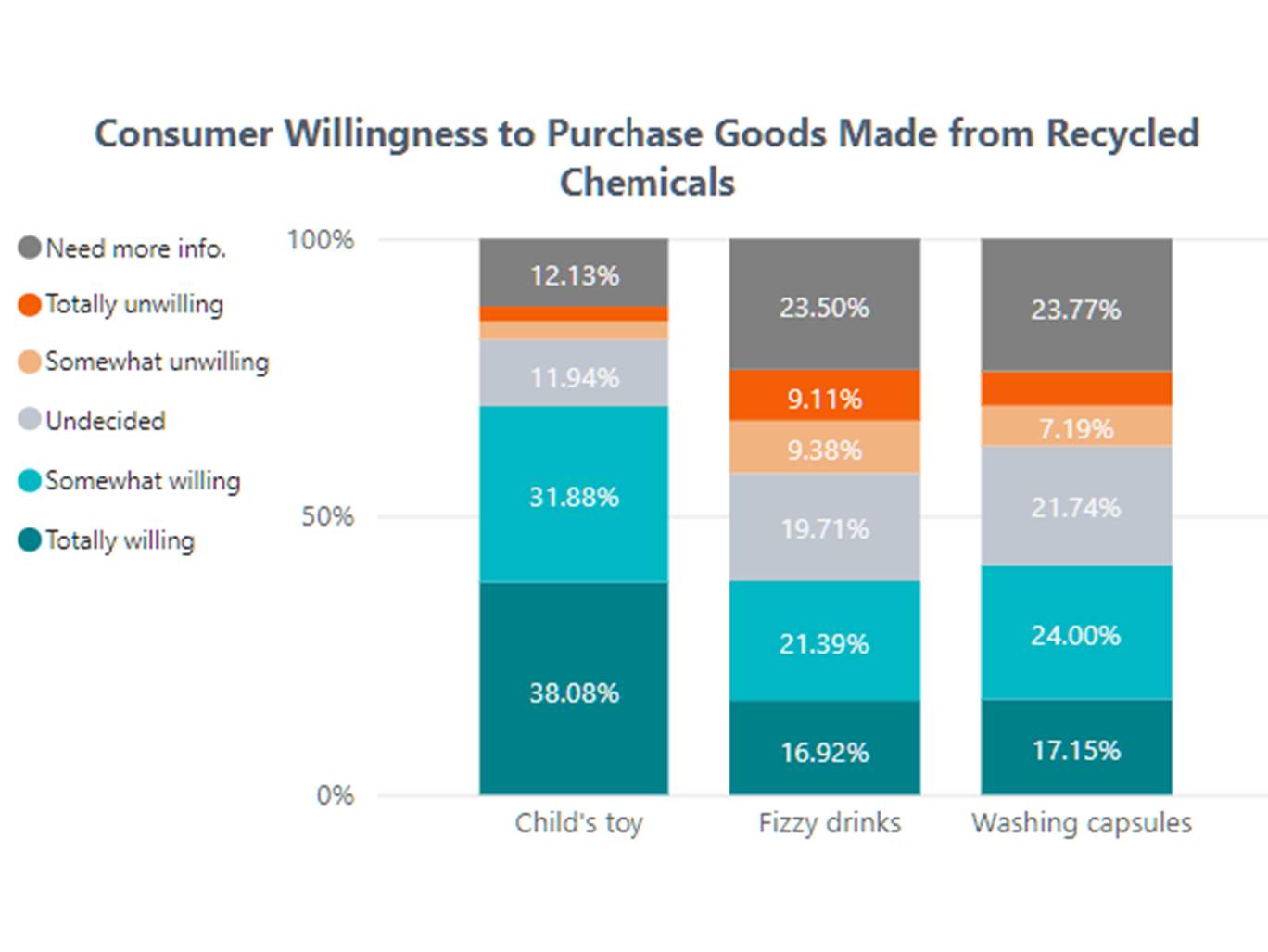
Figure 3: Willingness to purchase circular products
- Consumer attitude
Despite positive attitudes towards sustainability, a gap exists between consumers’ beliefs and actions. Many exhibit negative habits, mainly due to a lack of specific knowledge about chemicals and how they should be appropriately recycled. While 70% of consumers accept products made from recycled plastics, there is greater hesitation towards products derived from unfamiliar technology, such as those incorporating captured carbon dioxide (CO2)
- Willingness to pay
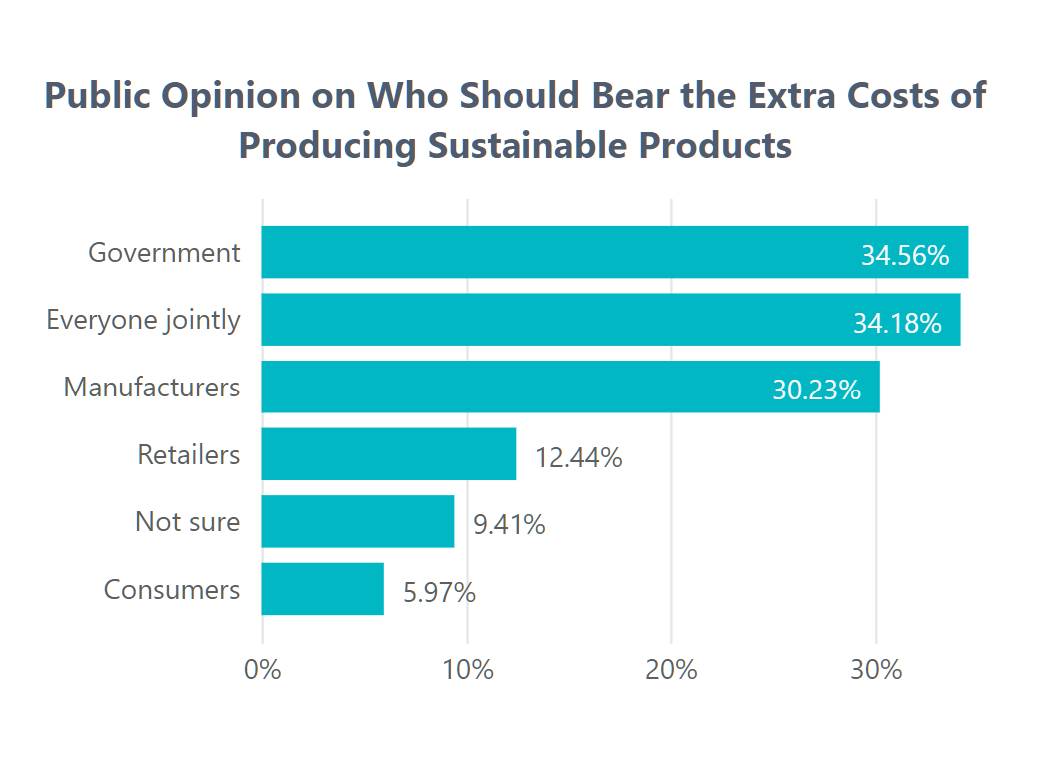
Successfully implementing CE initiatives often requires significant investments in infrastructure, new technologies, and the transformation of business models. The complexity of the ecosystem, ranging from sourcing sustainable feedstocks to managing logistics of collection, sorting, and recycling, often makes green alternatives more expensive than conventional fossil fuel-based products. Additionally, fossil-based production benefits from tax incentives and frequently externalises environmental costs, further widening the cost gap with sustainable alternatives. This cost disparity creates a significant barrier to consumer adoption during the transition period. Most consumers believe that the government and/or manufacturers should absorb these additional costs – see Figure 4. This is especially true during economic downturns when consumers are less willing or able to pay a premium for sustainable products.
Figure 4: Who should bear the extra costs?
Message to government and businesses
The successful transition to a circular chemical economy requires technological innovations and broad social acceptance. Failing to address the social context of sustainable chemicals risks creating a knowledge gap between the industry, policymakers, and consumers. This gap may lead to misunderstandings and misconceptions, slowing down the transition, as consumers are unlikely to embrace products they do not understand or trust.

A multi-pronged approach is essential to bridge the existing gap and accelerate progress toward sustainability. First, engaging the public through diverse channels, such as social media campaigns and community events, can build trust and cultivate a culture rooted in environmental responsibility. Education also plays a critical role; targeted programs, such as awareness campaigns, workshops, and training sessions, can shed light on the environmental impact of chemicals and promote best practices for their safe disposal. Empowering consumers through clear, concise product labelling allows for informed decision-making about chemical use and waste management. Inclusive decision-making processes must be adopted, incorporating public input through consultations, citizen science, and participatory governance to ensure all voices are represented.
Furthermore, promoting supply chain transparency by encouraging manufacturers to disclose sourcing and environmental impact data enhances accountability. Financial incentives or subsidies should also be introduced to make sustainable, circular products more economically accessible than their fossil-based counterparts. Finally, ethical advertising must be prioritised, with marketing efforts focused on truthfulness and promoting sustainable consumption while actively avoiding endorsing environmentally harmful products.