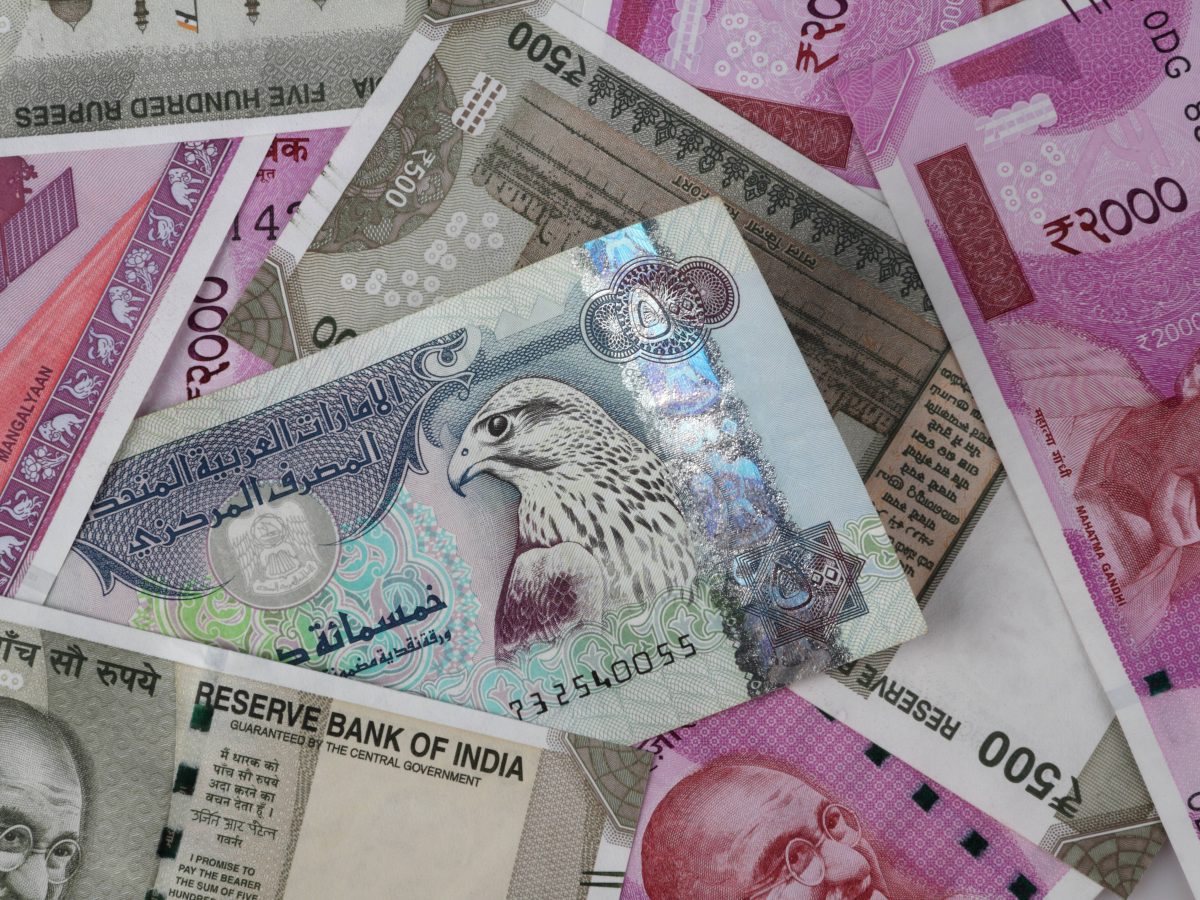
Currency fluctuations are inevitable for expatriates as the global financial landscape continues to change. For millions of Indian expatriates in the UAE, the rupee-dirham exchange rate directly impacts their remittances. For expatriates, managing finances in a world where currency volatility is challenging, holistic payment solutions can offer a much-needed safeguard as well as reap the benefits of a volatile market. Understanding favourable exchange rates (when to remit), transaction fees, and digital solutions can financially secure expats, making their lives abroad stable and beneficial.
Managing currency fluctuations
As we navigate the complexities of today’s financial landscape, one key challenge stands out: the volatility in global markets, primarily driven by the “tariff threats” from newly elected US President Donald Trump. The resultant uncertainty has led to significant fluctuations across major markets, leaving emerging economies particularly exposed. One such example is the Indian Rupee (INR), which has depreciated by more than 5% within just a few days, putting pressure on the financial landscape for Indian expatriates across the globe. For those based in the UAE, this presents a double-edged sword. On one hand, the depreciating INR offers a unique opportunity for expatriates to remit money back home, with each AED now translating to a higher value in rupees. The current Reserve Bank of India Governor has also made it clear that while the fall of the rupee increases import costs—particularly for oil—there are substantial benefits for Indian exporters. This creates an interesting dynamic where a weaker rupee benefits remitters from the UAE but also strains the cost of goods and services back home due to inflation.
However, as expats look to leverage this opportunity, it is crucial to recognise the risks involved. The very depreciation that boosts remittances also contributes to rising inflation in India, which directly impacts the cost of living. The need for strategic financial planning has never been more important. This volatility underscores the importance of understanding exchange rate risks, living cost fluctuations, and how these factors influence remittance decisions. In this climate, a holistic approach to payment solutions becomes a key pillar of financial stability. Expats must explore intelligent ways to reduce transaction fees, gain better exchange rates, and protect their long-term savings despite currency swings. As someone deeply involved in the fintech and currency exchange sector, I believe that the right tools, along with a well-informed approach to financial forecasting, can help mitigate the challenges posed by currency volatility and provide significant opportunities for expats to secure their financial future.

The UAE’s vision for a digital financial future
The UAE has taken proactive steps in modernising its financial ecosystem. The National Payment Systems Strategy (NPSS) by the Central Bank of the UAE is a pivotal initiative aimed at enhancing financial efficiency, security, and accessibility. One of its key components, the Instant Payment Platform (IPP), enables real-time transfers, ensuring that expatriates can send money instantly, reducing the risk of rate fluctuations between transaction initiation and completion. Furthermore, linking India’s Unified Payments Interface (UPI) with UAE’s payment networks is a crucial step toward financial integration. This allows seamless digital transactions for Indian expatriates, ensuring lower fees, faster processing, and enhanced convenience.
A future of financial resilience
In an era of economic uncertainty, embracing a holistic payment approach is not just an option but a necessity. By leveraging the UAE’s advanced payment infrastructure, expatriates can maximise the value of their transfers and take advantage of favourable exchange rates when sending money home.
Technology-driven payment solutions, financial education, and strategic remittance planning must go hand in hand to empower individuals in their financial journeys.
As the UAE continues to lead in financial innovation, expatriates should embrace these tools to optimise their remittances and enhance financial stability for their families.