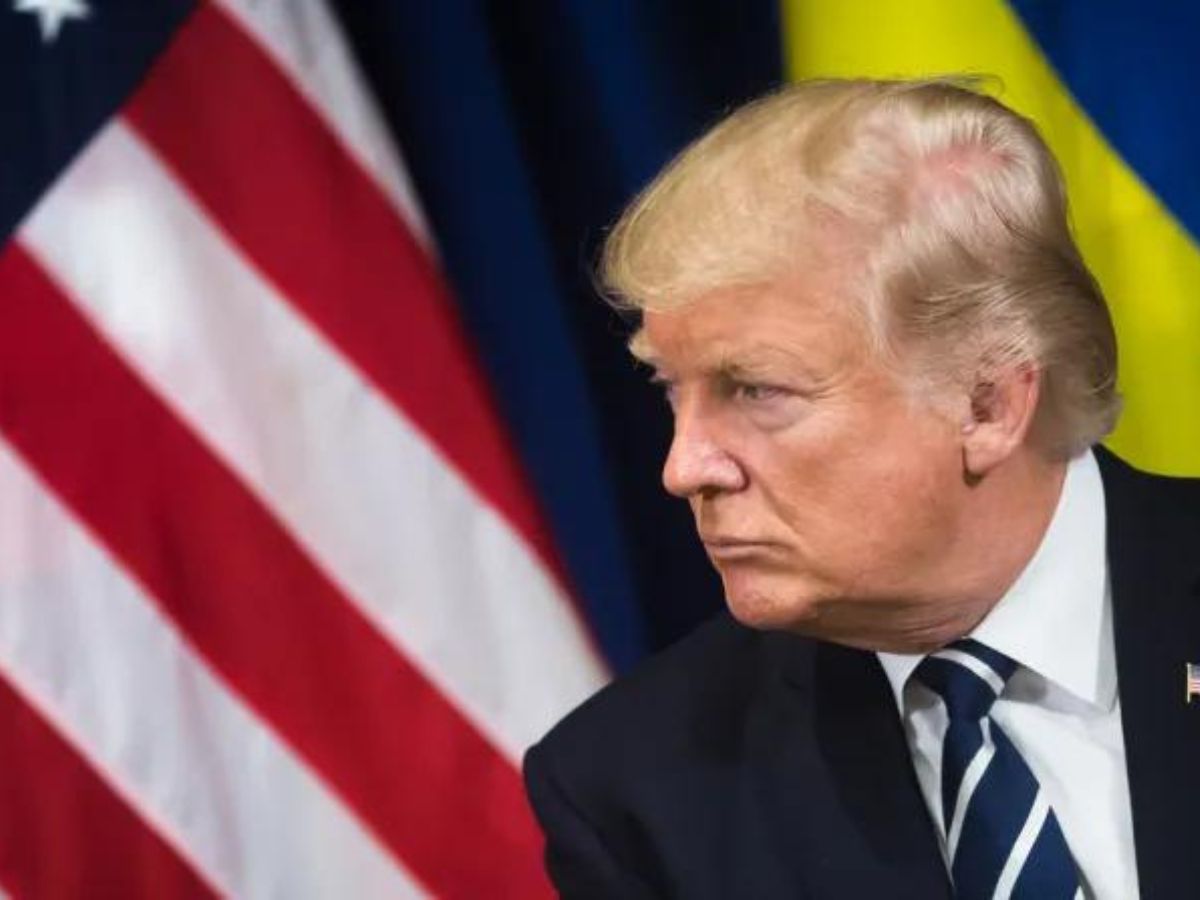
Donald Trump’s recent re-election has the potential to trigger a rippling effect throughout the economic, diplomatic and geopolitical landscapes. Here’s a deeper look at what his win may imply for the region.
Strengthened economic ties and investments
A Trump victory may bolster US-Middle East alliances, expanding economic and financial cooperation. Emerging markets in the region could see increased foreign direct investment (FDI), with sectors such as infrastructure, technology and tourism attracting American businesses. Trump’s endorsement of normalisation agreements may also encourage further US investment, unlocking new opportunities in Middle Eastern markets.
As trade relations deepen, the defence and energy sectors are likely to benefit from enhanced collaboration. However, the region’s move toward diversification could pose challenges, especially as Middle Eastern economies adapt to shifting global priorities and reduced reliance on oil.
Oil, energy and economic diversification
Trump’s energy policies, focused on boosting US oil production, might reduce the country’s reliance on Middle Eastern imports. While this could initially impact revenue for oil-dependent economies, it may accelerate the region’s drive toward economic diversification. In the long term, this shift could reshape the Middle East’s economic structure, fostering innovation in non-oil sectors and redefining its role in global energy markets.
Monetary policy and its regional impact
If the Federal Reserve’s inflation control efforts under Trump succeed, the Middle East could see substantial economic benefits, particularly in nations like the UAE, whose currency is pegged to the US dollar. Stable US inflation could help control import costs and boost affordability for American goods, enhancing trade relations. Additionally, reduced interest rates in the US could attract foreign investment to key sectors in the UAE, including real estate, finance and tourism.
Tourism and hospitality gains
The Middle East’s tourism and hospitality sectors may experience growth under Trump’s policies. A stronger US dollar could make the region more accessible to American travellers, potentially increasing visitor numbers to destinations like Dubai and Abu Dhabi. This influx of tourism could bolster local economies and reinforce the region’s reputation as a global cultural and business hub.
Investor sentiment and market stability
Middle Eastern stock markets might react with optimism, anticipating stronger US support for Gulf allies, increased defence spending, and stable oil prices. However, geopolitical tensions under Trump’s administration could create market volatility, challenging the region’s economic stability despite potential long-term benefits.
Focus on technology and smart cities
Trump’s emphasis on economic alliances could drive American investment into Middle Eastern tech sectors, such as AI, fintech and cybersecurity. Gulf states like Saudi Arabia and the UAE, striving to diversify their economies, may seize opportunities for partnerships in smart cities and digital infrastructure.

Financial sector impacts
The Trump administration’s shift toward deregulation in US banking could influence financial institutions operating in the Middle East. With increased flexibility, US banks might pursue more aggressive lending and cross-border investments, stimulating capital flows to the region and opening up new opportunities for growth.
Balancing optimism and challenges
While Trump’s policies could enhance regional stability through stronger alliances and economic integration, challenges remain. The Middle East’s ability to navigate shifting oil markets, geopolitical complexities, and evolving economic priorities will be pivotal in capitalising on these potential benefits.
In essence, Trump’s re-election might offer the Middle East opportunities for deeper economic partnerships, market growth and technological innovation—if the region can adeptly balance these opportunities with the challenges of a rapidly changing global landscape.