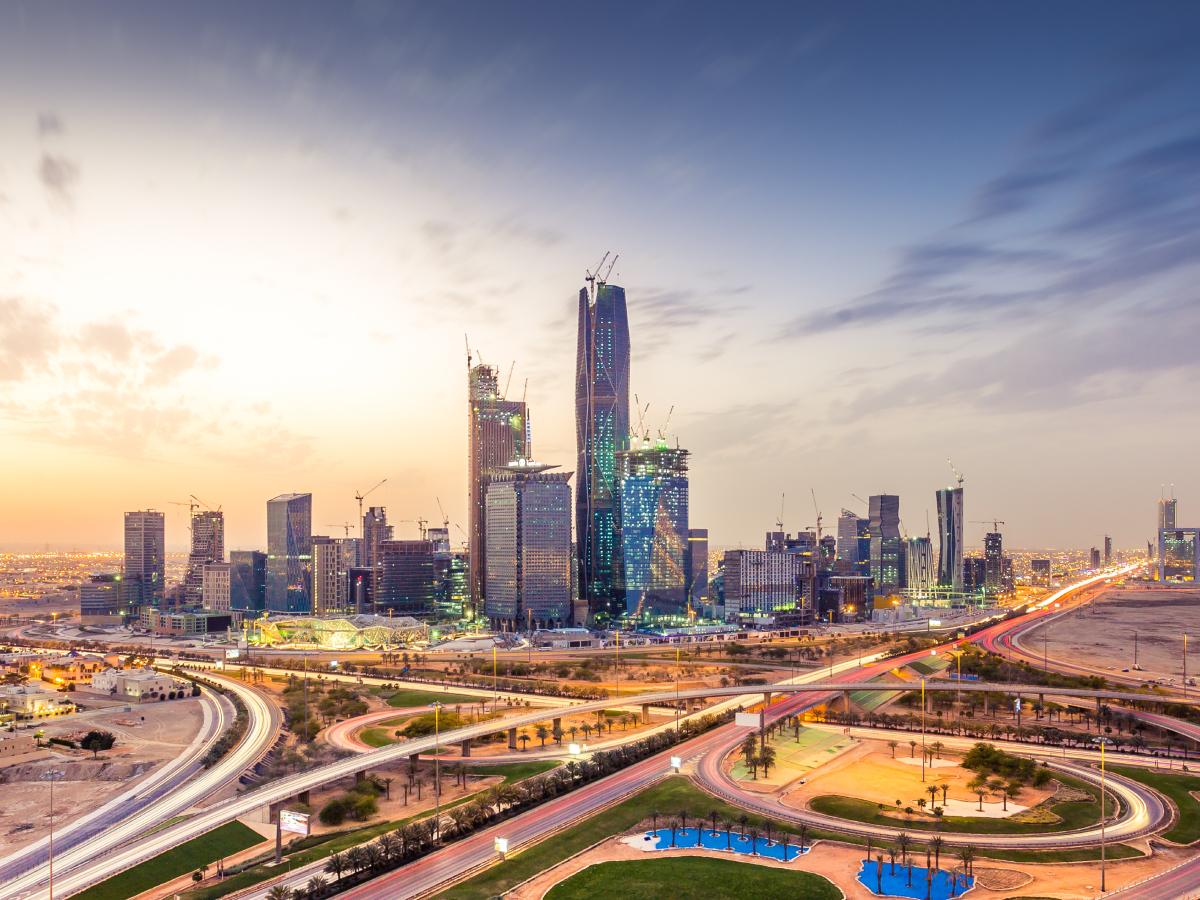
Saudi Arabia is undergoing a remarkable transformation, reshaping its workforce’s fabric and economic future. At the heart of this change is Vision 2030, a bold and ambitious roadmap to diversify the Kingdom’s economy and create a more inclusive future. But what does this transformation mean for Saudi citizens, what challenges do they face, and what opportunities are emerging?
A new labour landscape
For years, Saudi Arabia’s labour market has grappled with two significant issues: high unemployment rates among the youth and an overwhelming reliance on foreign workers. The government has made tremendous strides to address these challenges through nationalisation programs like Nitaqat, which sets minimum quotas for Saudi employees in the private sector. This initiative has increased the number of Saudi nationals in the workforce and has also played a pivotal role in boosting female participation—a game-changer for the Kingdom’s socio-economic structure.
However, the path ahead remains challenging. With more than 60% of the population under 30, the labour market faces the daunting task of absorbing this young and dynamic workforce. While this demographic presents challenges—mainly in creating enough job opportunities—it also brings incredible potential for innovation, creativity, and new ideas that could power Saudi Arabia’s economic future.
Rethinking foreign labour dependency
In recent decades, Saudi Arabia’s private sector has heavily relied on foreign workers, with expatriates making up more than 80% of the workforce in specific industries. While this dependence has helped fuel economic growth, it has created an unsustainable labour market structure. As the Kingdom strives for financial resilience, reducing this reliance on foreign labour has become a key priority.
The government has introduced various policies encouraging companies to hire Saudi nationals to achieve this. While this shift is gradually taking place, there are hurdles. Employers often cite skill gaps and higher wage expectations as reasons for not hiring Saudis, highlighting the need for enhanced educational and vocational training programmes. Bridging this gap is essential for reducing dependency on foreign labour and preparing the Saudi workforce to thrive in emerging sectors.
Economic diversification
At the heart of Vision 2030 is the diversification of Saudi Arabia’s economy, which reduces its reliance on oil and creates new avenues for growth. Technology, renewable energy, tourism, and entertainment are now central to the Kingdom’s economic strategy. This shift presents a host of new opportunities and challenges for the workforce.
Saudi Arabia requires a highly skilled, adaptable workforce in technology and renewable energy industries. Educational reforms, technical training, and entrepreneurship programs ensure young Saudis have the knowledge and expertise to excel in these high-growth fields. Moreover, the Kingdom is fostering a culture of innovation, empowering its young people to not only find jobs but also create them, further accelerating the transformation of the economy.
Policy interventions
Strategic policy interventions underpin Saudi Arabia’s workforce transformation. The government has introduced a range of initiatives—such as adjusting work hours and offering bridge programs for healthcare professionals—designed to make the labour market more flexible and competitive. Financial incentives, regulatory reforms, and targeted investments are essential to this ambitious transformation.
Looking ahead, the success of these policies will hinge on their practical implementation and the ability to adapt to changing economic and social conditions. The government’s unwavering commitment to Vision 2030, combined with the active participation of the private sector and international partners, will be critical to realising the Kingdom’s long-term workforce goals.

A new workforce paradigm
Saudi Arabia’s efforts to reshape its workforce offer a vision of a more inclusive, diversified, and resilient economy. Although challenges like youth unemployment and the overreliance on foreign workers persist, the steps being taken today promise a brighter future. By fostering innovation, expanding education, and creating robust employment opportunities, the Kingdom is not just preparing for the future—it’s actively building it.
This transformation marks a new era of growth and opportunity, where businesses, investors, and residents alike can thrive in a dynamic and sustainable economy.