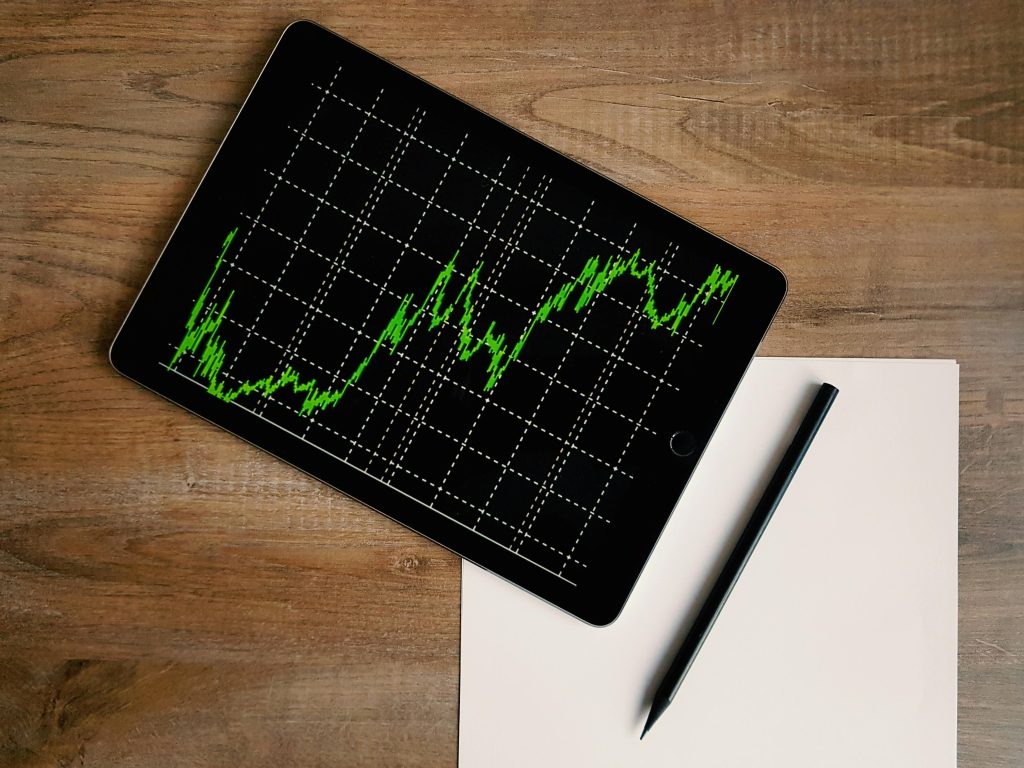
Investors’ appetite for risk is changing. Individuals are shouldering more risk, and those more adept at understanding the financial risks and probabilities they face live in emerging markets.
Why? They don’t have a choice: This is the only way to survive. Their financial security depends on it.
Individuals investing or trading in the financial markets are inherently taking risks in exchange for potential returns – and generally, the larger the potential return, the larger the risk. Every investor wants to understand risks in the investment landscape to predict future price movements and play by the rules of the financial markets. However, people’s perception of risk and appetite to embrace it varies greatly depending on where they live and ‘the hand they’ve been dealt’.
Taking risks is not out of the ordinary for the developing world
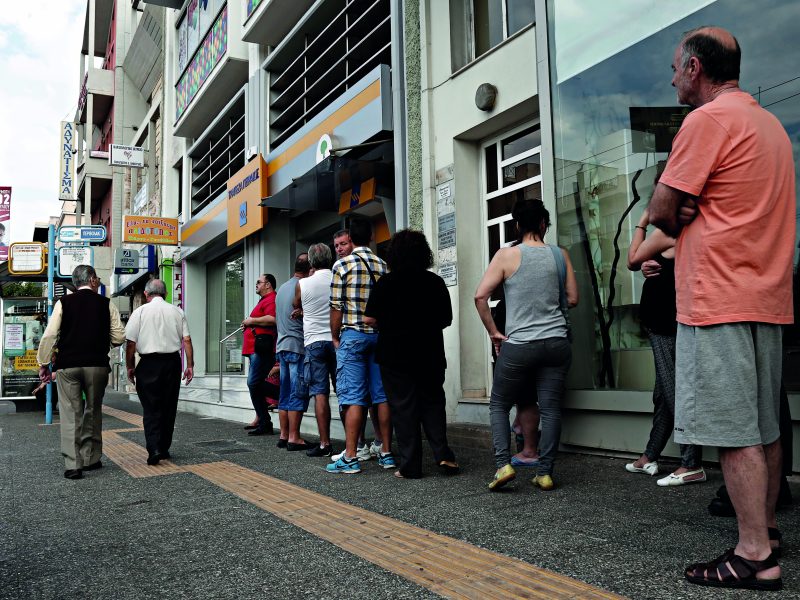
In emerging economies, the state often does not guarantee a financial safety net. Dealing with economic uncertainty, accepting risk as a stepping stone to secure their financial futures, and adapting to the opportunities before them are part and parcel of the survival of the fittest environment they live in.
These individuals are confronted with daily economic risks like high inflation or deflation and currency volatility, which heightens their awareness of different types of financial risks and their skills to deal with these challenges. By contrast, for people living in more advanced economies, the state typically provides support and the necessary infrastructure to help citizens be ‘better off’ in their early and later years. So, people in Europe, for instance, will have very different expectations about what they need to do to achieve their life goals and, in turn, play a very different investing game than people in more dynamic economies in BRICS and CIVETS countries.
Nigeria is often highlighted as a country where individuals are incredibly entrepreneurial. According to data from 2023, less than 12% of people have regular wage employment, and the average adult has multiple income sources. Side hustles are a reality of life, and investing and trading are widely seen as viable and attractive side hustles.
What we can learn from emerging nations
In many emerging nations, the risk of not actively engaging with financial markets is greater than the risk of taking that chance, and that’s well recognized. The average individual living in a country with a stable currency, reliable banking system, and social safety net might see trading foreign currencies or converting their local currency to bitcoin as a savings plan as incredibly risky. However, those living without the same security are far more likely to see opportunities in these areas. It’s not a gambling mentality but an attitude of self-reliance and a way to access their money fast at any given point to deal with life’s expenses.
Individuals in regions like South Africa, Vietnam, the Middle East and many other fast-growing economies are confident users of cryptocurrencies in their everyday lives. They also have an inherent understanding of exchange rate fluctuations, which gives them the conviction to speculate on currency moves, whether crypto or fiat, as part of their basic financial management.
Their Western counterparts see crypto as a tool for highly speculative, high-risk trading, but if you’re in a region with a very volatile currency and you can lose 30-40% of your wealth over the course of a few weeks, crypto becomes a store of wealth that is independent of a central bank. It becomes a practical service for the unbanked or those living in regions with less stable economies. It is one of the only truly effective economic tools enabling freedom. It will continue to help people trade and exchange value over borders in less challenging and expensive ways than the traditional financial system.
We can learn a lot from people in emerging nations about understanding where risk lies — in acting or failing to act and in taking responsibility for building the skills needed to succeed.
The individuals we see embracing risk most effectively don’t have a choice but to ‘figure it out’ by quickly gaining a shrewd understanding of their risk appetite to take their financial freedom into their own hands. It’s a concept, even a lifestyle, they’ve had to grasp early on because regardless of the tools at their immediate disposal, they know their best bet is to own their outcomes. As such, they accept responsibility to go out and find the tools, resources, access, or time to pursue that freedom and education, even if it means taking the path less travelled. This is something that their first-world counterparts – home to higher income potentials and more advanced financial systems – have less experience with.
No one should take ownership of your financial freedom, but you
In a volatile global market, first-worlders need to wise up and stop assuming that the people ‘in charge’ know what they are doing or that the rise of AI in financial services will increase their trading sophistication without them lifting a finger.
We saw the results of this blind approach with the crash in 2008, and the cyclical nature of finance means we’ll see it again. Whether via trading, investing, side-hustling, or becoming financially literate – the biggest risk is not taking accountability and owning their financial freedom. It’s a lesson that people in emerging markets have been conditioned on since childhood.