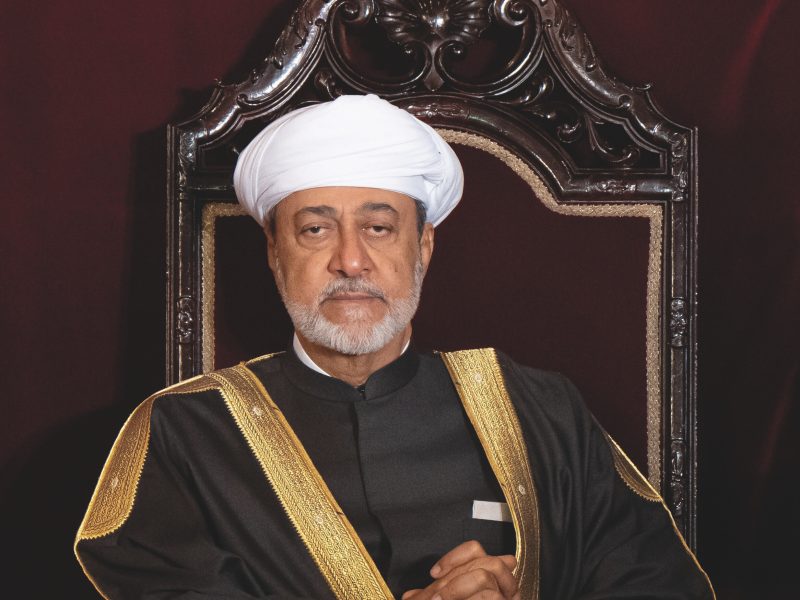
The United Arab Emirates has assumed the Presidency of the Middle East and North Africa Financial Action Task Force (MENAFATF) for 2026, marking a significant milestone in the country’s ongoing efforts to strengthen AML and CTF frameworks.
Timing of the Presidency
The UAE’s presidency comes at a defining moment for the Middle East and North Africa region, particularly for the GCC, as the Emirates continues to lead regional efforts to combat money laundering and financial crime.
MENAFATF comprises 21 member states, representing much of the MENA region, including Arabic-speaking countries in North, East, and West Africa: Sudan, Somalia, and Mauritania.
The bloc plays a critical role in aligning regional AML standards with global FATF requirements.
Money laundering remains a key priority for the UAE, given the strategic importance of real estate to economic growth and its historical vulnerability as a channel for illicit capital flows. Cash remains prevalent in certain sectors, increasing exposure to misuse through high-value asset purchases, including property.
As a global financial and commercial hub, the UAE has intensified its AML reforms, particularly as EU-UAE Free Trade Agreement negotiations continue to progress “rapidly” according to H.E. Lana Nusseibeh in Abu Dhabi last month.
Use of Third Parties and Family Members
One recurring typology in structured fund placement involves the use of third parties acting on behalf of the ultimate beneficiary of funds or property.
In many cases, customers rely on the Power of Attorney (PoA) or sale agreements executed with individuals or purported investors based overseas who do not maintain UAE bank accounts.
Similarly, properties are often acquired through third parties as part of layering schemes, involving substantial ATM cash deposits that are inconsistent with a customer’s financial profile. The use of spouses or close family members as registered property owners further complicates beneficial ownership transparency.
AML Regulation and Enforcement in 2025
In 2024, the UAE was removed from international “grey list” monitoring: a development welcomed by state investors and financial institutions.
However, maintaining this status presents ongoing challenges, particularly as real estate activity and cross-border capital inflows continue to grow, requiring sustained regulatory vigilance and enforcement.
Focus of the UAE Presidency
Under the leadership of H.E. Hamid Al-Zaabi, the MENAFATF Presidency will focus on six core pillars:
- Supporting member states in preparing for mutual evaluations
- Modernising MENAFATF governance structures and its Secretariat
- Expanding regional training and technical expertise
- Strengthening cooperation with FATF, other regional bodies, and international partners
- Addressing emerging risks, including virtual assets, fintech, artificial intelligence, and operational effectiveness
- Strengthen cooperation on asset recovery
Regional Collaboration and Continuity
Following the UAE’s term, the MENAFATF Presidency will transition to the Kingdom of Bahrain in 2027, ensuring continuity of regional leadership.
Observer members of MENAFATF include the United Kingdom, United States, Russia, and France, reinforcing the task force’s global engagement.
Stay Up to Date with the Latest Updates at Finance ME!
From Tech Concentration to Infrastructure Hedge Funds: J.P. Morgan’s 2026 Outlook for GCC Investors
UAE–EU Advance Cooperation on AI and Green Energy Through New SPA
Goldman Sachs Launches Secondaries Advisory Franchise in EMEA Region