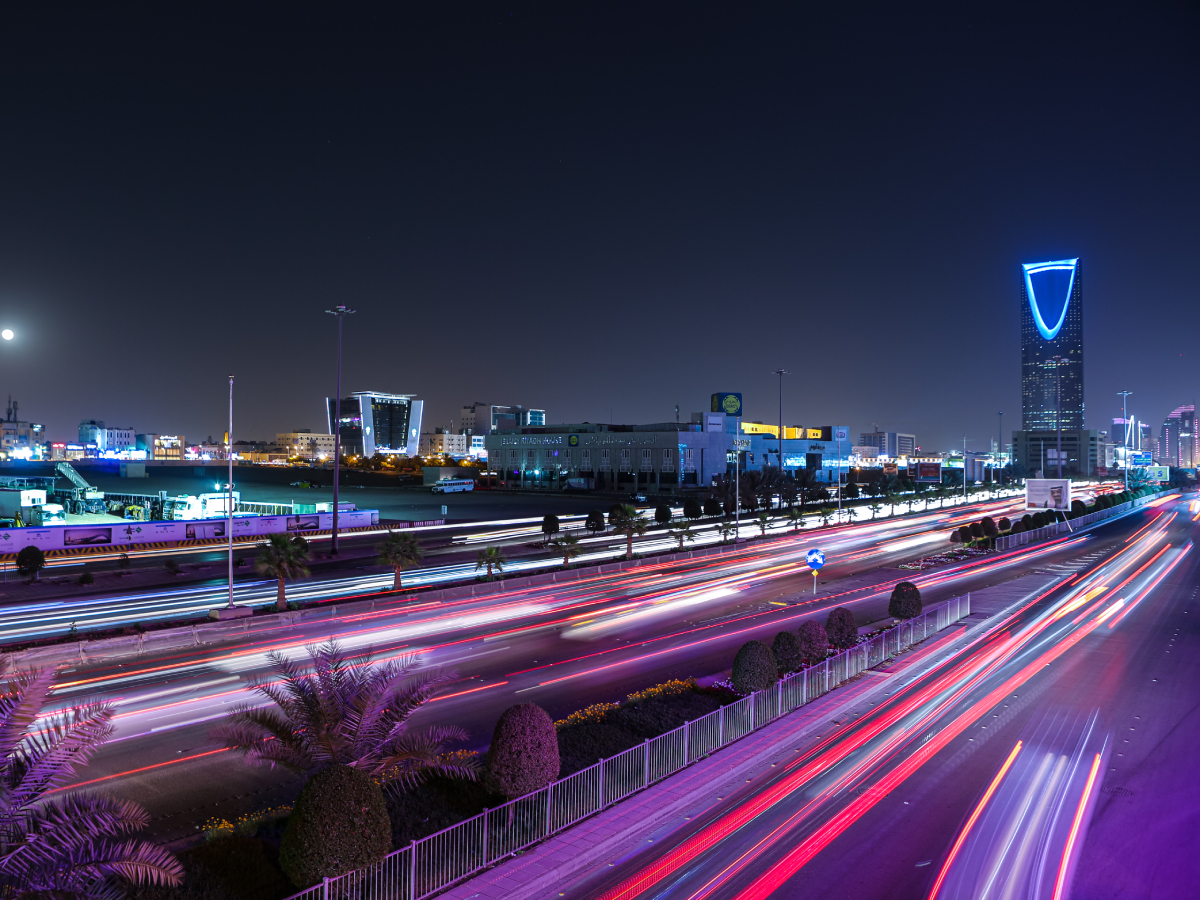
Until 2016, Saudi Arabia was off the radar of mainstream emerging market (EM) bond investors, given its lack of USD-denominated sovereign debt. All that changed in October of that year when the Kingdom sold $17.5 billion of bonds in one go, the largest-ever emerging market bond sale. Since then, the steady supply of Eurobonds from the sovereign and the Public Investment Fund (PIF)–the country’s sovereign wealth fund (SWF)–has triggered a rise in Saudi Arabia’s benchmark weight. As of April 2, 2024, Saudi Arabia is the second largest country in the emerging markets in debt hard currency (EMD HC) investment universe after Mexico, with a weight just shy of 5%.
The Kingdom’s strategic approach to debt issuance, characterised by a mix of conventional bonds and sukuk (Islamic bonds), demonstrates a nuanced understanding of market dynamics and investor preferences. As it continues to navigate the complexities of economic diversification and development, Saudi Arabia’s future issuances will likely be closely watched by international investors.
Saudi Arabia’s Vision 2030 represents a significant shift in the Kingdom’s economic strategy, aiming to diversify its economy away from oil dependency.
Saudi Arabia’s Vision 2030 represents a significant shift in the Kingdom’s economic strategy, aiming to diversify its economy away from oil dependency. Spearheaded by Crown Prince Mohammed bin Salman, this initiative outlines a series of ambitious goals, including the development of several “giga-projects”. These projects are part of a broader effort to stimulate various sectors of the economy–from tourism to technology, to attract foreign investment, reduce oil dependence and increase the share of non-oil revenues in the government’s budget.
Pivotal role of PIF
In early March, the country’s tech ambitions came into sharp focus during the international tech conference, LEAP 2024, hosted in Riyadh. The conference concluded with investment pledges amounting to over $13 billion and news of a planned tech fund worth $40 billion earmarked for investments in artificial intelligence. If the plan materialises, it will position Saudi Arabia as one of the world’s largest AI investors.
One of the significant challenges of Vision 2030 is maintaining a delicate balance between promoting private sector growth and the expansive role the PIF plays across various economic sectors. As it aggressively forays into numerous industries, from renewable energy to entertainment and sports, there’s a growing concern over PIF’s dominance potentially crowding out private investment, stifling competition and innovation.
The pivotal role PIF has in bringing Vision 2030 to life was reinforced after our trip, when Aramco announced the transfer of 8% of its shares (worth over $160 billion) from the government, doubling the SWF’s stake in Saudi Arabia’s crown jewel. In conjunction with dividends from existing investments, capital gains and further asset transfers, PIF aims to breach the $1 trillion assets under management (AuM) milestone by the end of 2025 and reach $2 trillion by 2030.
In the heart of Saudi Arabia’s ambitious Vision 2030 lie its giga-projects; grandiose plans designed to vault the Kingdom into a future far beyond its oil-rich past. NEOM, the $500 billion crown jewel, promises a technologically advanced, sustainable city; a utopia of innovation where robots might outnumber humans and everything from utilities to transport is powered by renewable energy.
Then there’s the Red Sea Project, set to transform Saudi’s coastline into a luxury tourism destination to rival the likes of the Maldives, with its commitment to conservation and eco-friendly development. And not to be overlooked is Qiddiya, envisaged to become the largest cultural, sports and entertainment city in the Kingdom, bringing a wave of leisure and creativity to the local population.
Notable developments such as the Bujairi Terrace within the Diriyah giga-project (the original home of the Saudi royal family), which was one of our site visits, the launch of new hotels along the Red Sea coast, and the impending inauguration of two theme parks in Qiddiya underscore the tangible progress being made.
That said, one question looms above all others: can these futuristic cities and tourist havens attract the global audience they seek, and will they deliver the economic diversification and job creation promised? As we are often reminded that Rome was not built in a day, we expect the authorities will be flexible: doubling down on those projects that look to have the greatest potential for success and scaling down or tweaking others that fail to attract the expected demand. Therefore, from our perspective, the recent reduction in the scope of certain giga-projects represents a welcomed reorientation and reassessment of project priorities.
In the context of funding, it is essential to recognise that the sums in question are considerable, and the capacity of foreign investment to meet these demands is inherently limited. Nonetheless, the enticing financial prospects on offer have already captivated international investors. Private credit and private equity opportunities in the region have caught the attention of major Western asset managers. With Vision 2030’s target of increasing SME contribution to GDP from 28% to 35% and the predominance of bank lending in the Saudi credit market, it is widely acknowledged that there exists substantial opportunity for private capital to augment the financing mix, notably in support of SMEs and infrastructure projects.
Many of these giga-projects expected returns are indirect, manifesting as positive economic externalities, thus making private investment less suited to fund them and requiring PIF and other public sector funds to pick up the tab where needed. In this context, it is encouraging to see other regional sovereign wealth funds looking for a larger footprint in the country–the most recent sign of this trend being the recently announced opening of an office in Riyadh by Kuwait Investment Authority, the Kuwaiti sovereign wealth fund (the world’s oldest sovereign wealth fund) which manages more than $800 billion.