Initially conceived as a transnational project for finance without borders, crypto was quickly grounded down to favourable jurisdictions and economic zones with high investor activity. The Middle East is one such region.
Despite not having a uniform position across the region, the last four years have seen the MENA’s surging role in the global Web3 industry.
Crypto adoption in MENA
Overall, the region exhibits a strong and steadily growing degree of crypto adoption on the governmental, business, and retail levels. The Gulf Countries started with favourable premises regarding digital literacy, fintech penetration rates, and consumers’ warm attitude toward technical innovation. According to the World Bank, 88% of the UAE population aged 15 or more had a bank account in 2022, while as much as 84% of UAE adults made or received digital payments over the last year.
It is unclear whether these metrics directly translate into the crypto world, as no Web3 literacy estimates are available. Still, MENA’s regional share in Web3 is on the rise: from 2021 to 2022, UAE alone accounted for 10% of the global blockchain transactions, while the region’s participation in total mining hash rate exceeds 8% and is expected to reach 15%.

The Gulf Countries share the desire to make a leap from innovation consumption to innovation origination. Delving into the heart of technological innovation, the Middle East isn’t just catching up; it’s racing ahead, fueled by a dynamic vision for the future. Embracing this trajectory, the region is strategically positioning itself to attract foreign investment and cultivate local talent.
Universities across the landscape are offering robust digital-focused programmes, while the UAE stands out as a beacon of innovation, with the Mohamed bin Zayed University of Artificial Intelligence leading the charge. The University of Sharjah, among other academic institutions, follows suit, striking recent collaborations with the Google Developer Students Club and Bitget’s $10 million fund Blockchain4Youth.
Well-established companies are also increasing their presence in the country: just recently, Dubai Multi Commodities Centre (DMCC) released a report revealing that the free economic zone now houses more than 24,000 companies, of which 600, including Solana and Bybit, are crypto firms.
“Delving into the heart of technological innovation, the Middle East isn’t catching up; it’s racing ahead”
Meanwhile, Saudi Arabia is orchestrating its digital transformation symphony, signalling its intent to dominate the global stage of technological prowess. With a whopping $40 billion earmarked for tech investment, Saudi Arabia is poised to become a heavyweight in AI. Partnering with renowned firms like Andreessen Horowitz, the kingdom is solidifying its position as a key player in shaping the future of technology on a global scale.
Despite a cautionary official stance regarding cryptocurrency trading, Saudi Arabia is set to follow in the footsteps of the UAE as it plans to expand its special economic zones to boost its international business presence. As the region fervently embraces the digital frontier, it’s evident that the Middle East is not just adapting to the future; it’s actively shaping it.
The current adoption levels are far from hitting the ceiling, thanks to extreme regional optimism fueling the rise of crypto in the region. According to Bitget research, MENA investors have the most bullish stance regarding future Bitcoin performance, with 82% of survey participants planning to increase the volume of their crypto portfolio in 2024 — the highest percentage globally.
Regulatory frameworks in the region
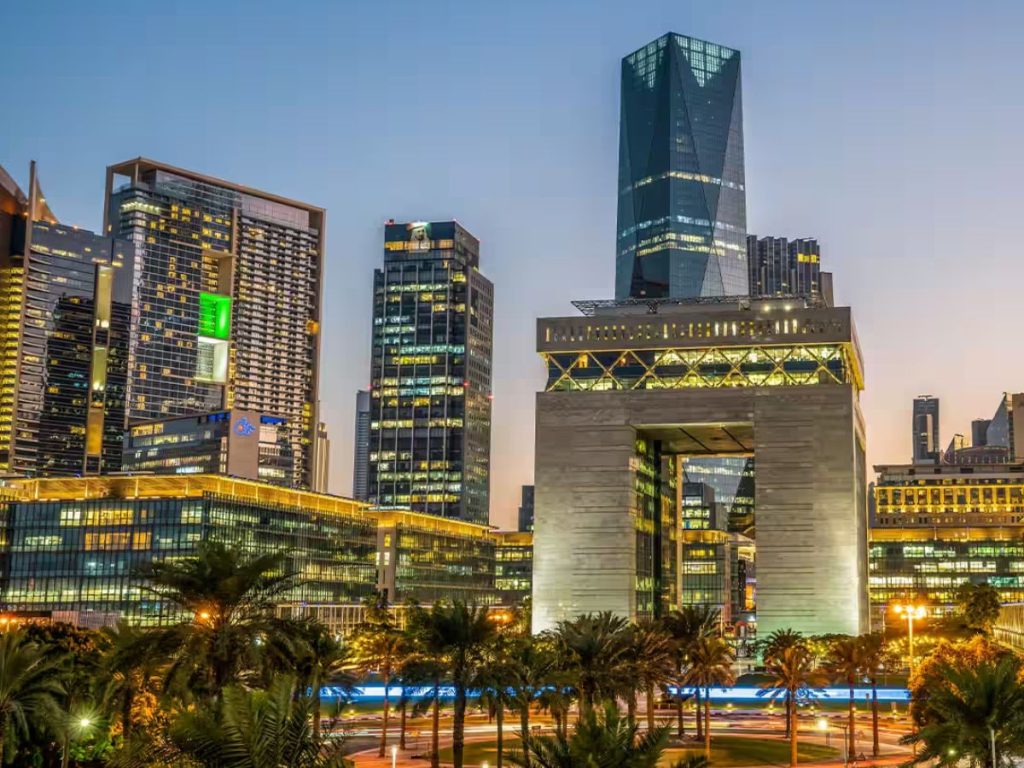
MENA’s affinity for blockchain goes beyond investor sentiment and special economic zones. While countries like Qatar maintain an outright ban on crypto transactions, others — especially the UAE — lead the global crypto licensing race. By March 2024, Dubai-based VARA had issued a total of 16 pending and active licenses to Virtual Asset Service Providers, with many more being under the supervisor’s ongoing review.
Most countries in MENA are actively exploring the necessary framework for using crypto on a national scale in the form of CBDC. The Central Bank of UAE has launched the Financial Infrastructure Transformation Programme and is in the process of developing a sovereign digital dirham, while its Saudi counterpart, SAMA, is running a test lab committed to a similar goal.
The land of many “visions”
Unlike the European model, in which state regulators are forced to respond to a growing private demand, the greatest stakeholders in the MENA crypto transformation are the countries themselves. The Gulf States actively seek diversification, multiplying “Visions.” For instance, UAE’s “Vision 2030” underlines the quest for non-oil income and knowledge-intensive production, while Oman’s Vision 2040 is believed to have led to a massive $1.1 billion investment in crypto mining infrastructure.
The “Visions” continue to serve as a long-term macro driver for innovation and broader crypto adoption, leading to favourable industry outcomes on both the regulatory and infrastructure levels.
“The Middle East is not just adapting to the future; it’s actively shaping it”
MENA’s crypto tomorrow
A combination of positive sentiment toward technology coupled with relatively high levels of fintech literacy allowed early days’ crypto to get a headstart in the Middle East. Today, the scale of adoption is reinforced by governmental initiatives, ongoing development of comprehensive regulatory frameworks, and the proliferation of economic sandboxes to appeal to global business.
Considering the soft and hard infrastructure investments in the Gulf Countries and the collective attempt to decrease the fiscal reliance on oil, it is highly likely that the MENA’s Web3 industry will continue to grow, bringing the region to the forefront of global blockchain development.