
In recent years, venture capital funding has seen a marked slowdown globally, with fintech funding shrinking from $79 billion in 2022 to just $38 billion in 2023, as reported by CB Insights.
Yet, the Middle East’s allure for investors remains strong, with many viewing the region as a dynamic frontier of regulatory reform and economic transformation that outpaces other global markets in certain fintech innovations.
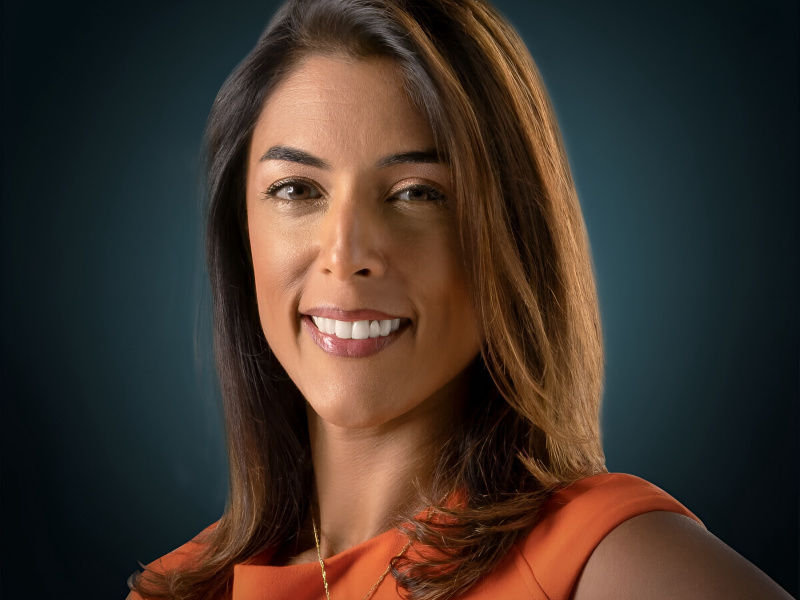
“If you ask me, a venture capitalist, ultimately we invest in the long term regulation, economic growth—all those things haven’t really changed,” explained Manuel Silva Martínez, General Partner at Mouro Capital at Bahrain Fintech Forward 2024, underscoring that any volatility in the region mirrors similar pressures globally. “I was in Mexico last week with a change of government where is there, not something happening these days?”
For Martínez and others, the Gulf stands out due to its regulatory initiatives aimed at supporting fintech. This evolving landscape, he said, presents opportunities to apply lessons from mature markets. “The region is still catching up on classic categories—neo-banks, new lenders,” Martínez remarked, pointing to the area’s rapid growth. “From our perspective as global investors, it’s interesting to apply the learnings from having invested in the US 15 years ago, in Europe 10 years ago, to analysing business models here.”
Investor appetite
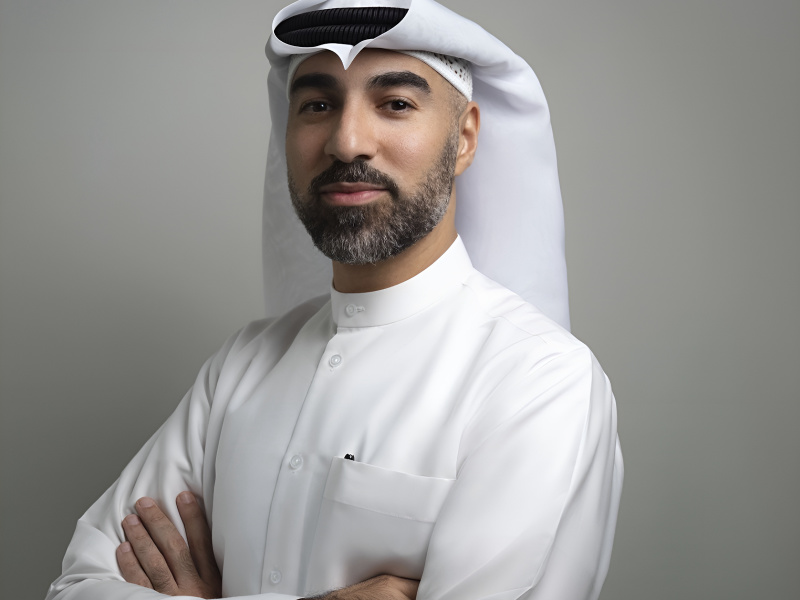
Ali Abussaud, Founding Managing Partner at HALA Ventures, resonated with Martínez sentiments and explained the rising appetite among both local and international investors. He said that, since around 2018, the region has seen a marked increase in interest from European, Asian, and American investors eager to expand mandates to the Gulf. “Many either started to already have the mandate to invest in the region or they are still trying to figure out a way,” he stated, adding that recent regulatory reforms, especially those addressing complex cross-border operations, have broadened access for investors.
Yet, expansion challenges remain for those navigating regulatory boundaries within the Gulf Cooperation Council (GCC). While Abussaud sees the GCC’s unified vision as a positive sign, he noted that individual countries’ regulations still limit seamless cross-border operations. “Whenever you are regulated in one of the countries, it’s still not an easy green light to get a license in another,” he explained, describing Bahrain as a “testing ground” for ventures aiming to scale in larger markets like Saudi Arabia and the UAE. “The way they will treat you is different, but it doesn’t necessarily cut down the time it takes to get full market entry.”

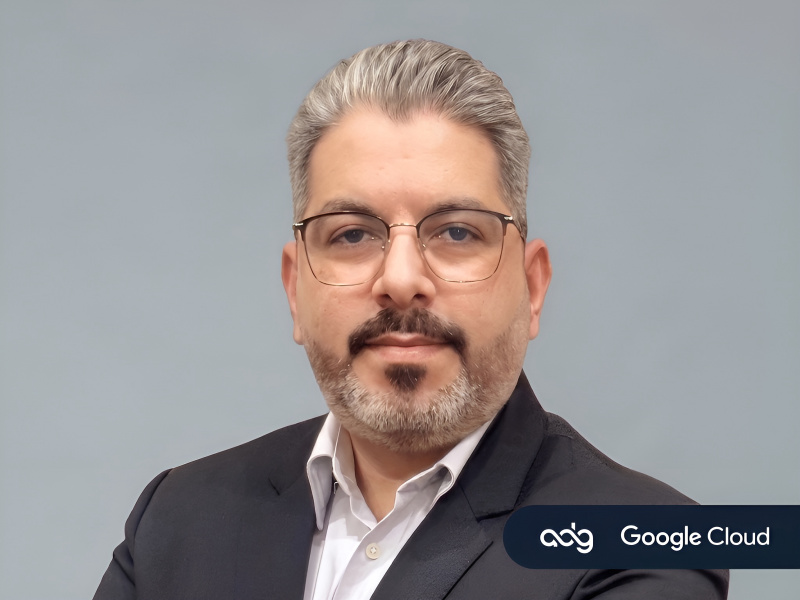
For Mohamed Fairooz, SC Ventures Lead in the Middle East, the regional investment landscape is seeing a shift in what venture capitalists seek from fintech. While global fintech funding has slowed, sectors like digital assets, tokenisation, and blockchain remain compelling. “The opportunity is huge,” he said, pointing to SC Ventures’ recently launched $100 million Digital Asset Fund in the region in partnership with Japanese firms. He added that SC Ventures has also introduced digital asset initiatives, such as Zodia Markets for digital asset custody and Libera, a platform for Sukuk tokenisation, which he believes will drive substantial returns. “In my view, certain specific segments here allow us to take the lead the return on investment will be extremely high,” he stated.
Regulatory support for digital finance has also created fertile ground for innovation, positioning the Middle East as a competitive environment for fintech ventures. “The fact that the regulators are so much on top helps you predict what are the good solutions and what are the standards,” Martínez noted, adding that such regulatory direction provides a significant advantage over markets where private firms drive most change.
The role of sovereign wealth funds
Sovereign wealth funds play an outsized role in developing the region’s digital finance ecosystem, and their influence extends beyond mere funding to enabling infrastructure and diversification, according to Fairooz. “Sustainability and financial inclusion are pillars of the vision here,” he observed, aligning SC Ventures’ approach with government strategies. In his view, investments from sovereign funds in SME tech platforms, tokenisation and digital banking create a ripple effect across local economies and generate long-term growth that strengthens the regional market.
However, Martínez pointed to a unique layer of complexity in the Middle East’s fintech ecosystem: corporate venture capital (CVC) funds. Large companies increasingly invest in startups and often provide critical resources, but he warned that they could potentially crowd out traditional VCs if their influence grows unchecked. “It’s about making sure that everybody is confined to what it should be adding value,” Martínez said, arguing that CVCs when balanced correctly, can accelerate growth by offering critical commercial support without overstepping governance roles.
In contrast, Fairooz described SC Ventures’ structured investment approach, involving independent voices from academia and industry, as a way to avoid bias and ensure that corporate investments align with strategic goals without hindering the startups’ autonomy. “In our view, it’s more about the design of the process than the final decision,” he explained, emphasising the importance of a systematic investment approach.
While global venture funding in fintech may be contracting, Middle Eastern markets appear to offer resilience and unique opportunities. For many investors, the combination of evolving regulation, sovereign investment and cross-border potential signals a promising future for the Gulf’s fintech sector, one that many are keen to capitalise on amidst shifting economic landscapes worldwide.