

The UAE has a booming wealth management ecosystem. In 2023, the country’s net wealth reached $2.9 trillion, according to BCG data. Over the next five years, an estimated $92 trillion of financial wealth is projected to be created globally.
In this landscape, new companies are being created to ensure that the sector embraces the new trends. Headquartered in the UAE, Vault Wealth is a wealth management platform that provides individuals access to AI-driven financial planning and access to alternative investments.
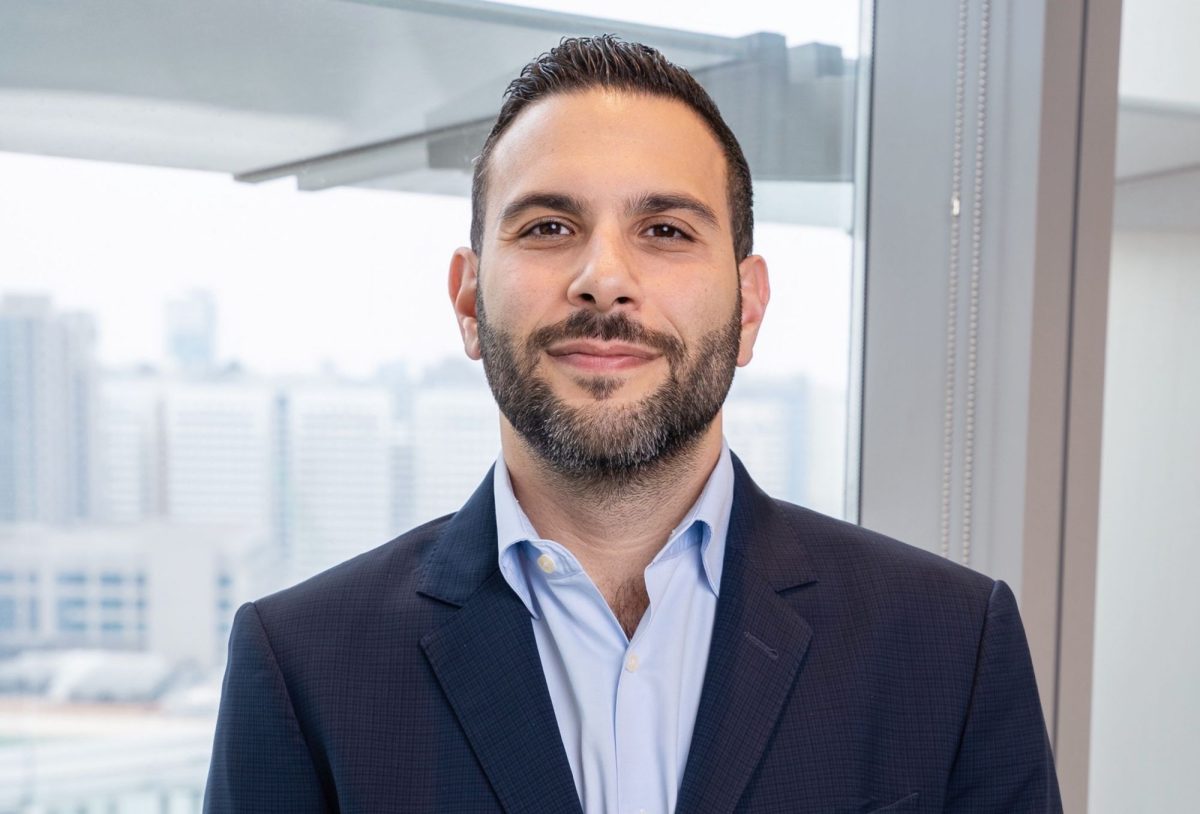
In an interview with Finance Middle East, Bilal Abou-Diab, Vault Wealth’s Co-Founder and Chief Investment Officer, reflected on the path toward building this venture and the shift from the institutional to the entrepreneurship world.
What drove you to join the startup world?
What drove me to the startup world is pure passion. As experts in the wealth management industry, my Co-Founder and I saw a persistent issue: affluent and high-net-worth individuals consistently receiving poor advice and being mis-sold financial products. Recognising this gap along with our industry experience, we felt a strong drive to create Vault, with a mission to elevate financial planning and wealth management in the UAE.
Why did you choose the Middle East as the place to start/expand the business?
The Middle East was a natural choice for us, as the challenge we’re addressing is specific to the region. Living in the UAE, we’ve witnessed firsthand the rapid growth and unique opportunities here, especially for startups. With the support of a dynamic and vibrant ecosystem like Hub71, the region offers the resources and environment needed to foster growth and drive innovation tailored to the Middle East with the potential to scale globally.
How would you describe the region’s startup scene in three words?
Vibrant, supported, and relentless.
Is there something that has surprised you in your journey?
Coming from a corporate background, I was surprised by the sheer variety of roles the founding team must take on. Unlike in a corporate setting where roles are well-defined, building a company from the ground up requires constant multi-tasking and prioritising. While it has been a significant shift, wearing so many hats has also been one of the most rewarding aspects of the journey.
What are (in your view) the keys to approaching investors successfully?
Educating investors about the problem is essential. As founders, we live and breathe the issue we’re solving but it’s crucial to clearly visualise and articulate it to help investors see the potential opportunity. This means showing the market size, the potential impact and why solving this problem matters. Once investors recognize the opportunity, the next step is demonstrating why our team is uniquely positioned to deliver the solution. Highlighting what gives us an edge over competitors – be it our expertise, experience or unique approach is the key to securing investor confidence and buy-in.
What was the most challenging part of raising funding and how did you overcome it?
The hardest part was meeting the right people and getting their time. Even with a solid opportunity, product, and founding team, you need to be able to get airtime with decision-makers who can come on board with the necessary funding. We overcame this by working with excellent angel investors and leveraging our network to understand the fundraising landscape and secure key introductions to the right people. Moreover, having a compelling pitch and a clear visual deck also made a big difference in capturing interest quickly.
What is the best piece of financial advice you have received?
Concentrate risk to create wealth and diversify risk to preserve wealth. What this really means is that to create wealth, one must concentrate risk, whether that is opening a business and taking that risk or concentrating their experience and skillset to be of extreme value. Once you create wealth, the way to preserve it is to diversify risk as much as possible.
Our business serves people looking to preserve wealth; while the startup world itself is all about that initial focus and risk-taking.
What has been your biggest success and your biggest failure?
Our biggest success so far has been our speed in delivering our operational objectives; we have achieved this by having an excellent team fully committed to the company’s mission and vision.
Our most significant learning experience has been understanding the importance of user education. Initially, we assumed that clients would immediately understand our value proposition and know how to make the most of it, but we soon realised that many benefited from additional guidance and support. This led us to invest further in client onboarding and education, ultimately strengthening our relationships and enhancing user satisfaction.
What is the best quality a leader can have?
The best qualities a leader can have are honesty with empathy. Being honest and direct about the strategy and goals, while also recognising that the team is the heart of the company. True success is achieved collectively. Leaders don’t build companies alone; they empower and inspire the team to do so together.
Where would you like to be in five years’ time?
In five years’ time, I would like to continue expanding on our mission to empower individuals to take control of their finances and ensure they go to sleep confident that they are on track with their financial goals. I’m passionate about what we’re building and look forward to continuing this journey.