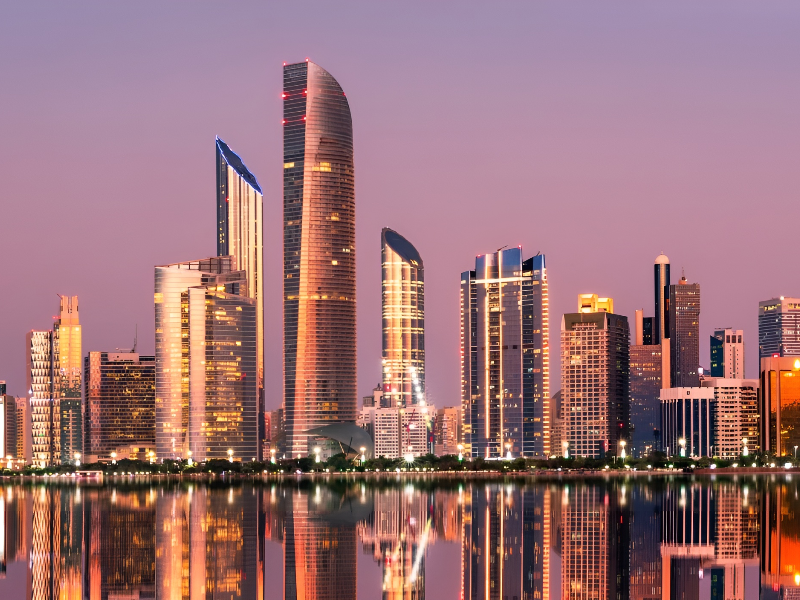
The UAE is positioning itself as a global leader in the “experience economy,” where residents increasingly prioritise experiences over material goods, according to Shamal’s UAE Experience Survey 2025. The report highlights a significant shift in consumer behaviour, driven by a youthful and tech-savvy population who value personal, social, and transformative activities.
The survey revealed that 87% of UAE residents agree the country offers a wide variety of experiences, with most respondents seeking experiences at least once a month. Over half of the participants allocate up to 25% of their monthly disposable income to entertainment, dining, and travel. A notable 26% expressed a willingness to spend more on memorable and new experiences.
The findings emphasise that UAE consumers prioritise activities offering emotional and social value, reflecting global trends where experiences create greater long-term happiness than material purchases.
Top experience choices
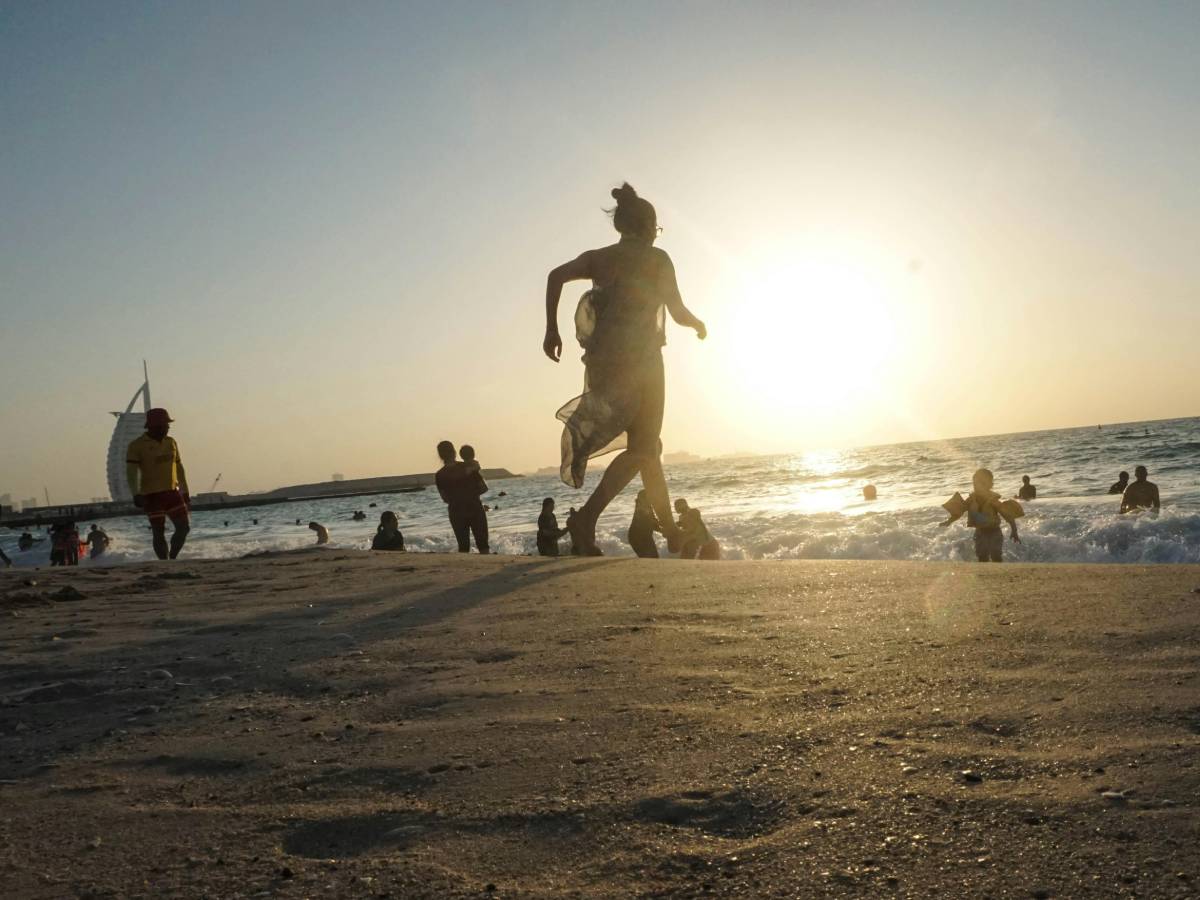
Residents in the UAE rank entertainment, dining, and travel as their top experiential preferences. Beaches, family-oriented activities, and adventure sports like skydiving and yachting dominate their weekend and bucket-list aspirations. According to the survey, 53% choose beach and sea activities for short breaks, while adventure and cultural experiences are becoming increasingly sought after.
Social media plays a crucial role in influencing these preferences, with 67% of respondents citing it as their primary source of inspiration, followed by recommendations from family and friends.
Economic implications
The rise of the UAE’s experience economy aligns with broader global trends. Shamal’s report notes that immersive and innovative experiences are reshaping industries like tourism, retail, and real estate. The UAE’s travel and tourism sector contributed Dh220 billion to the economy in 2024, representing 11.7% of GDP, according to the World Travel & Tourism Council.
This trend is supported by government and private sector initiatives aimed at integrating experiential elements into urban planning and public spaces. For instance, Dubai’s Vision emphasises creating “happiness-centric” urban designs that make the city a preferred destination to live, work, and visit.
A young population with a median age of 32 in the GCC drives demand for novel experiences. According to Arabian Business, the Middle East’s leisure and entertainment market is forecast to reach $14 billion annually by 2028. Factors like digital innovation, sustainability imperatives, and emotional well-being are shaping consumer choices and influencing policymakers and businesses alike.
Challenges and future outlook
While the UAE experience economy thrives, businesses face challenges in delivering authentic, hyper-personalised experiences. Experts highlight that over-reliance on standardisation may dilute the uniqueness of such offerings, emphasising the need for local and cultural relevance. Technologies like VR, AR, and data-driven personalisation are expected to revolutionise how brands curate experiences.
As consumers increasingly seek innovative and meaningful experiences, the UAE’s experience economy is positioned to play a central role in the country’s diversification efforts under Vision 2030. With rising demand for transformative and authentic activities, the country is leveraging its strengths to enhance economic competitiveness and consumer satisfaction.