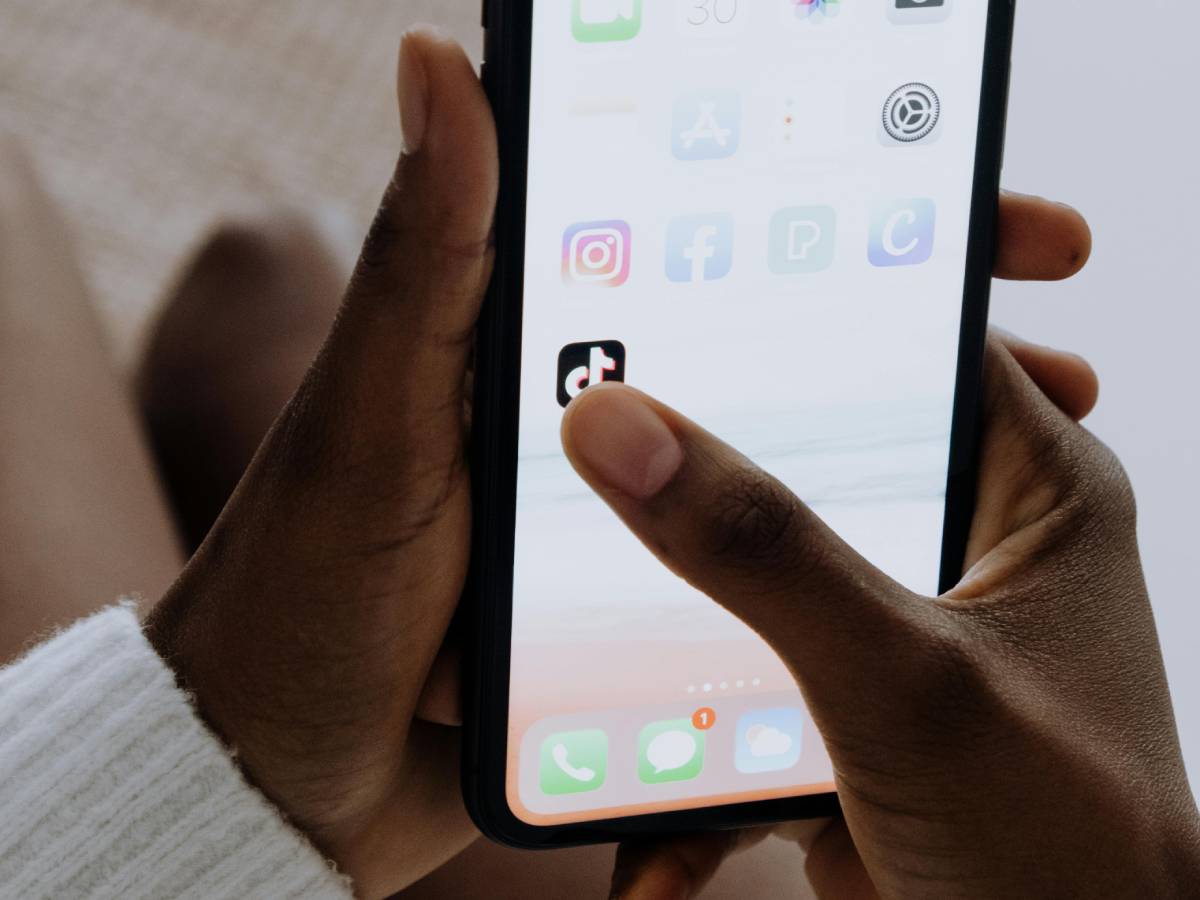
US President Donald Trump confirmed Monday that Microsoft is in talks to acquire TikTok, the short-video platform owned by Chinese company ByteDance while expressing a preference for a competitive bidding process. “I’d like to see a bidding war,” Trump told reporters, emphasising his administration’s interest in determining the app’s future.
With approximately 170 million US users, TikTok faces a mandate to divest from its Chinese parent company on national security grounds. A law requiring ByteDance to sell TikTok or face a US ban went into effect on January 19, but Trump, upon taking office on January 20, issued an executive order delaying enforcement by 75 days. The president has indicated he will likely decide TikTok’s fate within 30 days.
Trump has also suggested Tesla CEO Elon Musk as a potential buyer, although Musk has not publicly commented. In a new development, AI startup Perplexity AI proposed a merger with TikTok on Sunday, offering the US government up to 50% equity in the combined entity, according to a source cited by Reuters.
Microsoft’s renewed interest
This marks the second time Microsoft has been involved in talks to acquire TikTok. In 2020, under similar pressure from the Trump administration, Microsoft emerged as a leading bidder but failed to finalise a deal. Reflecting on those negotiations, CEO Satya Nadella called the experience “the strangest thing I’ve ever worked on” during a 2021 interview, noting that the US government’s conditions were unclear and abruptly abandoned.
Microsoft has declined to comment on the current negotiations. TikTok and ByteDance did not immediately respond to Reuters‘ requests for comment.
Microsoft’s renewed interest comes amid a broader debate over Silicon Valley’s dominance and national security concerns tied to Chinese tech companies. TikTok’s situation is reminiscent of other Chinese platforms like Huawei, which have faced US restrictions.
The potential acquisition could give Microsoft a significant foothold in the consumer social media space, where it has traditionally been less active compared to tech rivals Meta and Alphabet. Analysts note that TikTok’s user base and engagement metrics are highly attractive, but the platform’s valuation, governance structure, and integration with Microsoft’s existing portfolio would pose challenges.
The outcome of the TikTok sale could set a precedent for future US-China tech relations and the treatment of foreign-owned platforms in the US. As Trump’s administration weighs its options, the implications for international tech policy and competition between US and Chinese companies remain significant.
If Microsoft or another US company acquires TikTok, the deal could reshape the digital landscape, creating a new player capable of competing directly with Meta and Alphabet in the social media space. At the same time, potential challenges with valuation, governance, and regulatory approvals could complicate the transaction.