As the Middle East continues to embrace innovation and technological disruption, BaseTracK is carving out its place in the region’s evolving logistics sector. Co-founded by Ilya Klyuev, the company specialises in efficient trucking solutions, combining autonomous and human-driven technologies to improve fuel economy and deliver sustainable transportation.
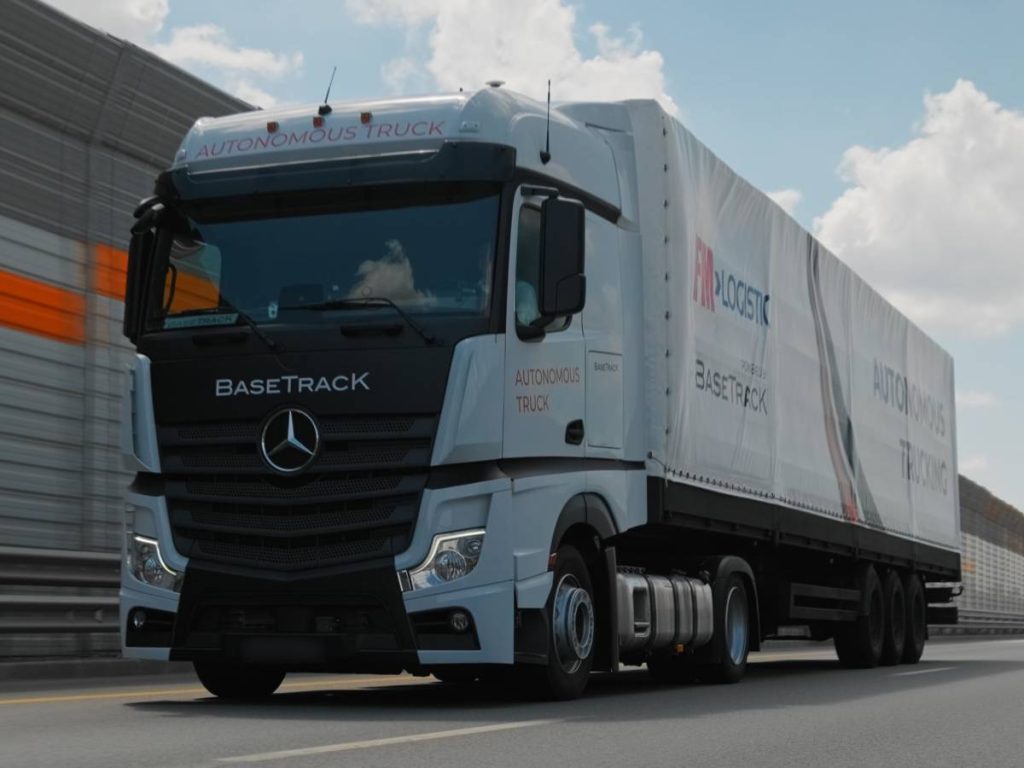
Currently in its Series A stage, BaseTracK offers advanced solutions such as an efficient cruise control system for human-driven trucks, promising fuel savings of 10-30%, and high-precision autonomous driving systems that navigate safely in varying weather conditions. These innovations are reshaping how goods are transported across key markets.
In a conversation with Finance Middle East, Klyuev shared the company’s journey from its origins in Europe and Russia to its strategic pivot to the Middle East. He reflected on the challenges of fundraising, the lessons learned, and how the region’s robust innovation ecosystem, led by programs like the Mohammed Bin Rashid Innovation Fund (MBRIF), has enabled BaseTracK to refine its offerings and pursue long-term growth.
With a vision to help the Middle East become a leader in next-generation logistics, BaseTracK’s journey highlights the region’s appeal for startups aiming to scale their impact globally.
What drove you to join the startup world?
I joined the startup world totally by accident. In my first year of university, I had a small dream of owning a restaurant and travelling the world – my university major was catering engineering. I had experience working as a restaurant manager and started working as a waiter to collect experience and money. When I was going to change my employer to the most luxurious hotel in the city to make a lot of money on wages and tips, I met Andrew, who was looking for a project manager in his geoinformatics company and had a couple of projects based on a scientist he knew. Andrew is a good salesperson, so I was sold on the idea of starting some curious R&D-heavy projects from scratch, and that was the start of my risky obsession. One of the projects we eventually launched was BaseTracK.
Why did you choose the Middle East as the place to start/expand the business?
Initially, we started operations in Europe and Russia—we established a company in Estonia, had a commercial project with an automaker, and later launched fuel economy solutions (we had to pivot, thanks to COVID and the lack of long-term strategic investors in Europe). However, due to the political situation, we closed our Russian business (which just started to grow significantly). We planned to focus on sales in Europe, but Estonia suddenly declined visa renewals for 2/3 of the core team, so we needed to find where we are welcomed.
The Middle East has that bright image of a place for innovation, the UAE and KSA have their visions of future development, and for us, it was almost a no-brainer—we decided to disrupt the Middle Eastern transport industry with our autonomous trucking service and hoped to find strategic long-term investors here.
How would you describe the region’s startup scene in three words?
Don’t trust words
Is there something that has surprised you in your journey?
One surprising realisation is how often appearances outweigh substance. Over time, I’ve observed that even highly intelligent individuals can fall for well-packaged ideas with little underlying value. Travelling and meeting diverse people have broadened my perspective, but the journey consistently reinforces that there’s always more to learn.
What are (in your view) the keys to approaching investors successfully?
Having connections to the right people gets even a bad startup funded. Generally, to get local investors interested even with a cold email, you should have a software/SaaS B2B startup (ideally, copying an idea from a successful growing US-based startup), generating at least hundreds of thousands of USD ARR, and if you are popular in the media as well, it further boosts its chances of securing investment.
What was the most challenging part of raising funding and how did you overcome it?
The most challenging part is to find an investor for a long-term strategy. That is the challenge we still can’t overcome, so we had to focus on “ready-to-sell” fuel economy solutions for human-driven trucks and put autonomous trucking technology on a shelf. However, the support provided by the UAE’s robust innovation ecosystem has been invaluable. Being part of programs like the Mohammed Bin Rashid Innovation Fund (MBRIF) Innovation Accelerator have provided a supportive environment, enabling startups like ours to refine strategies, access critical resources, and connect with key stakeholders to scale effectively. Of course, some mega-projects and futuristic ideas are getting funded, but getting back to some of the previous points – you just need to know the right people or be on the latest trends.
What is the best piece of financial advice you have received?
Always diversify—whether it’s income sources or investments, diversification mitigates risk and ensures stability.
What has been your biggest success and your biggest failure?
Biggest success – with all the failures on the journey, I grew spiritually and became more mature in some areas of life.
Biggest failure – I didn’t diversify my personal life and income sources (startups can be incredibly demanding financially and emotionally.)
What is the best quality a leader can have?
It depends on the team and environment… So, I guess it brings us to the answer – flexibility and the ability to adapt.
Where would you like to be in five years’ time?
In the UAE or KSA, witnessing how Vision 2030 has materialised. These futuristic concepts and progressive ideas are exciting, and I’d be proud to contribute to the technological advancements shaping the region.