The financial services industry across the GCC is undergoing significant transformation, driven by the adoption of artificial intelligence (AI) and evolving regulatory frameworks. These changes are redefining the roles of brokers and trading platforms while reshaping how clients engage with markets. AI is streamlining processes, improving decision-making, and creating new opportunities for financial institutions to optimise their operations. Meanwhile, regulatory reforms are enhancing transparency, increasing investor confidence and aligning regional markets with global standards.
Artificial intelligence is increasingly central to how financial institutions operate in the GCC. AI-powered tools, such as robo-advisors, have become a cornerstone for brokers aiming to offer personalised and data-driven services to clients. These tools provide real-time insights tailored to individual risk profiles, helping clients make informed investment decisions. AI also supports quantitative research and market-making by processing vast datasets to identify patterns and opportunities that would otherwise go unnoticed.
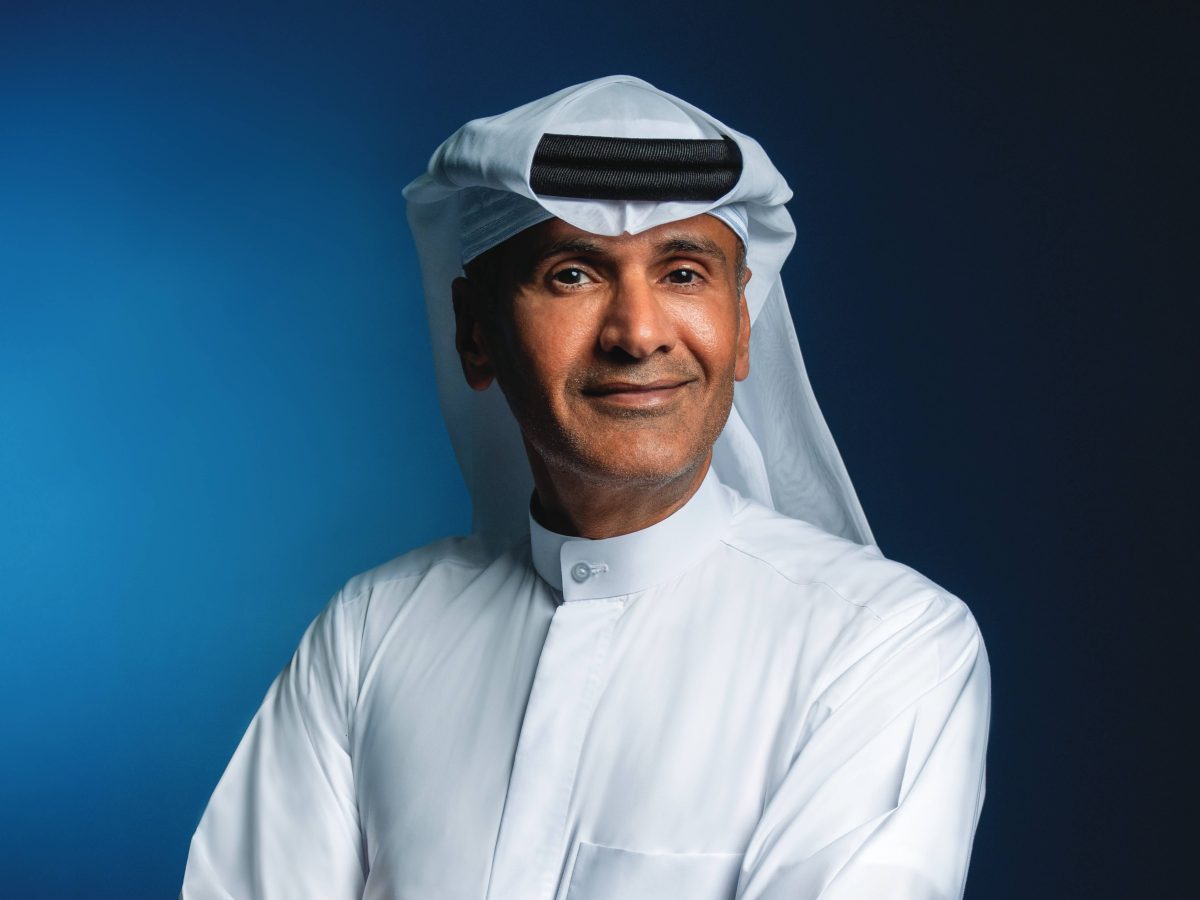
“AI and technology are transforming the financial services industry across the UAE and GCC, reshaping how institutions operate and how clients engage with financial markets,” said Dhafer Sahmi Al Ahbabi, Chairman of Al Ramz Group. He emphasised that AI tools not only educate clients but also serve as decision-making guides, assisting them with data-driven strategies.
Automation is another critical application of AI in the industry, particularly for operational tasks such as account opening and streamlining customer journeys. Automating these processes enhances accuracy and efficiency while freeing employees to focus on higher-value functions. This, in turn, contributes to more productive organisational outcomes.
AI also plays a vital role in regulatory compliance. Automated systems help brokers monitor and report activities to meet stringent regulatory requirements. Al Ahbabi noted that this capability reduces the burden on employees while adhering to complex regulations. “At Al Ramz, AI is more than a tool; it is the foundation of our strategy to lead in a rapidly evolving financial landscape,” he said. “By integrating AI into every aspect of our operations, we continue to deliver exceptional value, set new standards in the industry and build trust with our clients.”
Regulatory reforms
In parallel with technological advancements, regulatory frameworks in the GCC are evolving to foster greater transparency, improve corporate governance and align local markets with international standards. Countries like the UAE and Saudi Arabia have implemented reforms that increase market access, attract foreign investment and enhance investor confidence.
Recent changes include removing or relaxing foreign ownership restrictions for listed companies. This has opened local markets to international investors, increasing liquidity and boosting market capitalisation. Additionally, regulatory bodies such as the Abu Dhabi Global Market (ADGM) and Dubai International Financial Centre (DIFC) have introduced sandboxes that allow companies to test innovative financial products, particularly in emerging areas such as blockchain, AI and digital assets.
Environmental, social, and governance (ESG) disclosure requirements have become another focus of regulatory reform. GCC regulators now mandate companies to meet sustainability standards, making them more attractive to responsible investors.
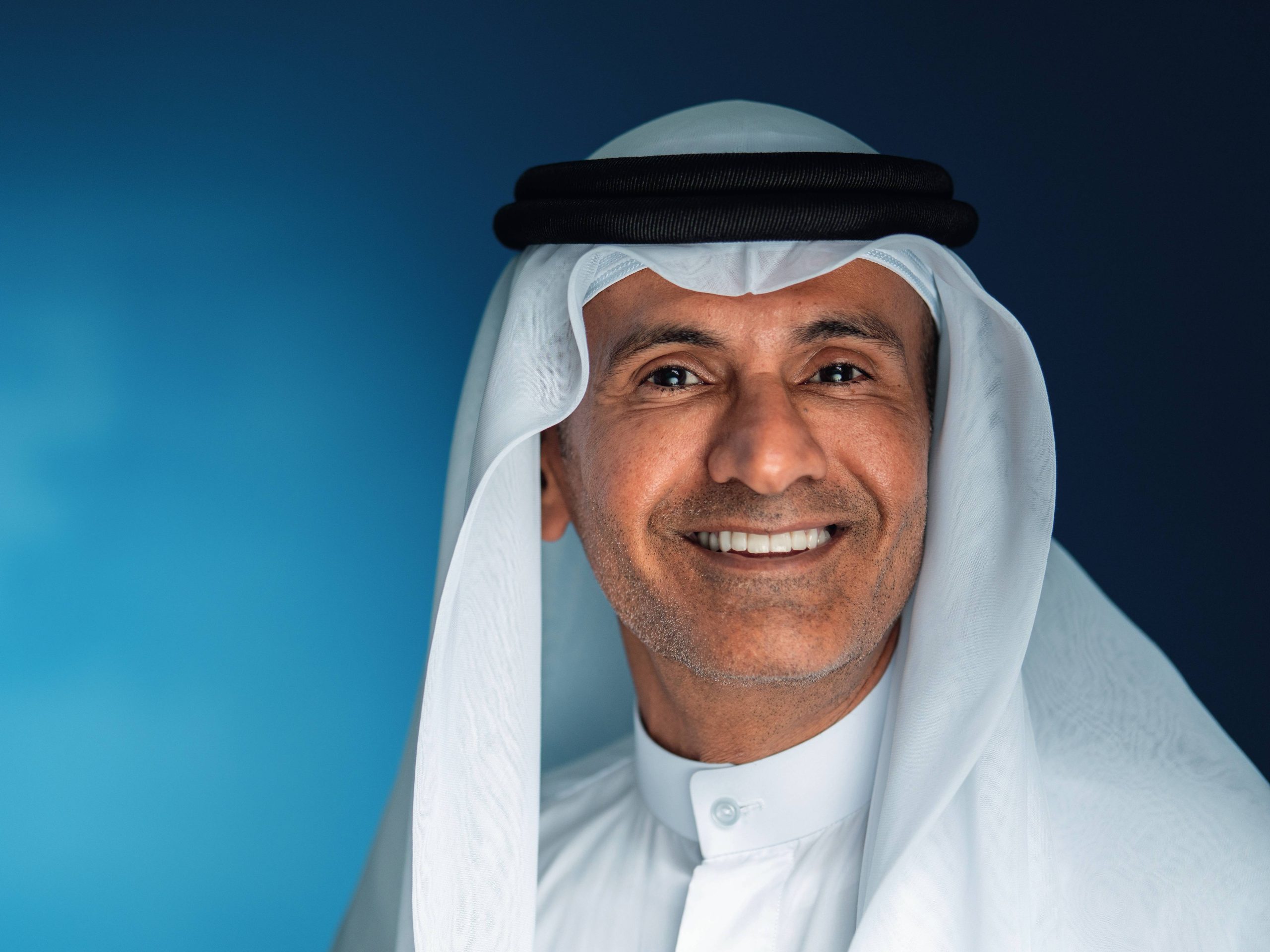
“Reforms across the region are emphasising board accountability, minority shareholder rights and financial disclosures, reducing risks for investors,” noted Al Ahbabi. “These measures are helping build trust among foreign and institutional investors, translating into an increase in capital inflow into local markets,”
Alignment with global standards, including Basel III for banking and IOSCO standards for securities markets, has further strengthened the GCC’s financial systems. Enhanced regulations, such as Anti-Money Laundering (AML) and Counter-Terrorist Financing (CTF) rules, improve the region’s financial integrity, facilitate cross-border investments and increase investor confidence.
Navigating global pressures
Global economic pressures and regional geopolitical challenges continue to pose risks to the GCC. However, proactive policies, economic diversification and strong fiscal frameworks have enabled the region to mitigate these risks effectively. GCC central banks, with their currency pegs to the US dollar, leverage substantial foreign reserves to manage inflation and navigate global economic shocks. Sovereign wealth funds and government stimulus programs further stabilise the economy during periods of volatility.
Low debt-to-GDP ratios have allowed GCC countries to withstand the impact of rising global interest rates better than many other regions. This resilience is bolstered by investments in non-oil sectors such as tourism, technology and manufacturing. Initiatives like Saudi Vision 2030 and the UAE Centennial Plan 2071 are central to these diversification efforts, driving long-term sustainability through innovation and infrastructure investments.
Al Ahbabi pointed to renewable energy as a sector poised to withstand challenging conditions. Projects such as Masdar City and Saudi Arabia’s NEOM align with global sustainability goals and reduce reliance on volatile oil markets. Alongside energy, advancements in technology and healthcare, as well as strong performance in tourism and real estate, further contribute to the region’s economic resilience.

Ethical practices in financial services
Ethical lapses in the financial industry have come under increased scrutiny worldwide. Brokers and trading platforms, in particular, are responsible for upholding transparency and trust. Al Ahbabi emphasised the need for clear communication about fees, risks and conflicts of interest. “Ethical practices are the cornerstone of the financial industry, particularly for brokers and trading platforms, as they bear an undeniable responsibility to their clients, firms and the broader financial ecosystem,” he stressed. “Upholding the highest ethical standards is non-negotiable, as the industry thrives on clarity, transparency and trust—key elements essential for maintaining market integrity.”
Certain financial products, such as contracts for difference (CFDs), have drawn criticism for high leverage and operational practices that treat platform users as products rather than clients. Many jurisdictions have imposed stricter regulations or bans on these platforms. Al Ahbabi warned that ethical lapses not only erode trust but also jeopardise the broader financial ecosystem.
Adhering to global regulations and ethical standards is essential for brokers to build and maintain client trust. By avoiding high-risk practices and focusing on transparency, brokers can ensure their clients’ financial well-being while enhancing their own reputations in the industry.
Financial inclusion
Financial inclusion remains a key priority in the GCC, where increasing retail participation in financial markets is a cornerstone of economic growth. Al Ramz is actively working to make markets accessible to retail investors by promoting financial literacy and developing user-friendly platforms.
“To achieve this, we have designed services and resources that cater to varied investment preferences, risk appetites, and levels of expertise,” stated Al Ahbabi.
“The Al Ramz trading app is at the heart of this mission, providing investors with an intuitive platform that integrates cutting-edge technology,” he explained. “ It offers advanced robo-advisory services powered by generative AI, enabling users to receive personalized insights, explore financial concepts, and gain a deeper understanding of listed companies.
“The app also creates a sense of community by fostering social forums where investors can share ideas and strategies, and its comprehensive market access ensures that users can explore a wide array of opportunities tailored to their needs.”
The global shift toward democratising finance is evident in the growing number of retail investors entering the market. “Investing is no longer reserved for a select few with substantial capital or insider knowledge; it is increasingly accessible to those with modest resources, allowing them to participate meaningfully in the financial ecosystem,” said Al Ahbabi. With smartphones and digital tools, retail investors are increasingly participating in the financial ecosystem. The global online trading market, projected to grow to $16.5 billion by 2032, reflects this trend.
Al Ramz’s focus on financial inclusion is about increasing access and providing the tools and knowledge necessary for retail investors to succeed.
“Our vision is to create a digital financial mall that serves as a comprehensive hub, offering access to a broad range of markets, asset classes and tools designed to help investors make informed decisions while maximising the profitability of their investments,” Al Ahbabi stated.
The future of GCC financial markets
The GCC’s financial markets are experiencing a transformation fueled by technology, regulatory reforms and changing investor demographics. Advancements in AI, blockchain and digital platforms are expected to continue revolutionising trading, payments and investment management. Increasing demand for Shariah-compliant and ESG-aligned investment products is pushing companies to innovate and expand their offerings.
Financial inclusion initiatives, including micro-investments and fractional ownership, are broadening the investor base and driving market growth. Islamic finance represents a significant competitive advantage for the region, with sukuk and Shariah-compliant ESG products attracting global investors.
Regulatory innovation, such as sandboxes and frameworks for decentralised finance (DeFi), green bonds and digital assets, positions the GCC as a leader in financial innovation. Sustainability efforts, including robust ESG reporting standards, further enhance the region’s appeal to institutional and ethical investors.

“The GCC markets are not merely adapting to change—they are shaping it,” stated Al Ahbabi. “By continuing to innovate and aligning with international standards while leveraging regional advantages, we are confident that GCC markets will thrive and set benchmarks on the global stage.” By leveraging technology, aligning with global standards and capitalising on regional strengths, GCC financial markets are poised to thrive on the global stage.
To remain competitive globally, GCC markets should embrace innovation and strengthen governance. Integrating advanced technologies such as AI and blockchain will enhance transaction efficiency and security.
Expanding regulatory frameworks to address emerging areas like tokenisation and decentralised finance will attract international investors and diversify market participation.
Sustainability is another critical area for growth. Offering green finance products and aligning investment strategies with global climate goals will position GCC markets as leaders in responsible investing.
“Islamic finance represents a unique competitive advantage. The GCC can solidify its position as a global hub for Shariah-compliant products, such as sukuk and Islamic funds,” said Al Ahbabi. By innovating within the Shariah-compliant space, the region can attract new investors while reinforcing its competitive advantage. With a clear strategy to navigate global pressures and capitalise on emerging opportunities, GCC markets are well-equipped to shape the future of finance on the world stage. Al Ahbabi and Al Ramz are dedicated to be at the forefront of this transformation, leveraging technology and aligning with global standards to deliver long-term value for investors.