
As countries like Norway, Brunei, Singapore, and particularly the UAE navigate the global economy, they wield their sovereign wealth funds (SWF) with a remarkable blend of foresight and creativity. In the UAE, these funds are financial powerhouses and catalysts for a sweeping transformation.
These nations, including the UAE, are currently devoted to transitioning into enterprise economies and, in the case of the UAE, a knowledge-based economy. This presents an exciting opportunity for investment in various sectors, aligning with the long-term goals of economic development and demographic transformation. This strategic vision, particularly evident in the UAE, extends across the wider MENA region, which is emerging as a vibrant investment hub.
MENA as an investment hub
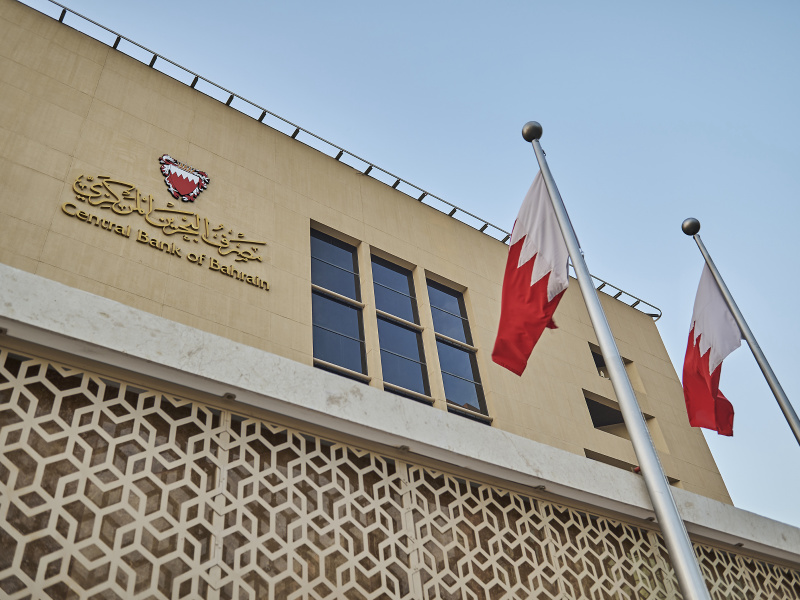
The Middle East and North Africa region, without doubt, offers an abundance of attractive cash-rich countries keen to continue to diversify their economies away from petro-based businesses into such areas as technology-led enterprises. According to Fondation pour la recherche stratégique, some of the leading wealth funds in the MENA region, such as ADQ and Mubadala, Saudi Arabia’s PIF, Abu Dhabi’s ADIA and Qatar’s QIA, have in recent years mustered tens of billions in investments to generate sustainable financial returns for their shareholders and the government.

Tech is a major attraction for SWFs
Despite recent declines in startup funding in the Middle East and North Africa, SWFs have become an important driver for pre-revenue startup technology ventures, emerging as a vital source of capital for venture capital firms and, increasingly, as direct investors. Some major SWFs have become experienced long-term technology investors as they respond to the impact of disruptive technologies and the seemingly continual need for fast-time-to-market tech-based solutions.
The MENA tech startup scene shows promising growth, particularly in the UAE and Saudi Arabia, with an increasing presence of affluent foreign investors. This has contributed to a burgeoning entrepreneurial spirit in the region, further fueled by the significant investments made by SWFs. Startups in MENA raised $36 million in September 2023 and an overall $3.94 billion in funding in 2022, according to Wamda.
Youthful dynamism
It is worth considering that beyond the appeal of the region’s rock-solid economic foundations lies a growing culture of innovation underpinned by a young population that is digitally aware and connected. Early-stage incubators are at the heart of the region’s economy, with the Department of Economic Development in Dubai stating that startups now make up 50% of the total companies registered in the emirate and employ half its workforce.
The influx of foreign institutional investors — and visible interest from venture capitalists and startup founders such as leading US technology VCs, including Andreessen Horowitz, Tiger Global and IVP — demonstrates a level of sophistication and talent in the MENA region that’s being noticed in an international level, now more than ever.
Here, we begin to see the most exciting characteristic of the dynamic of a union between SWFs and governments far-sighted enough to change the game regarding national income, skills, and training – the potential start of a trend to transform and enhance national identities.
Ushering in a new era of productivity and growth
With their commitment to spending hundreds of billions of dollars at home to diversify the perception of their economies, people and national identities worldwide, SWFs are agents for transformation as much as they are for wealth creation.
The powerful combination of sovereign wealth, private sector and government growth strategies policy, astute asset management and the right education and training initiatives boldly declare that the region’s tremendous appetite for growth and new opportunities will be amply rewarded in years to come.