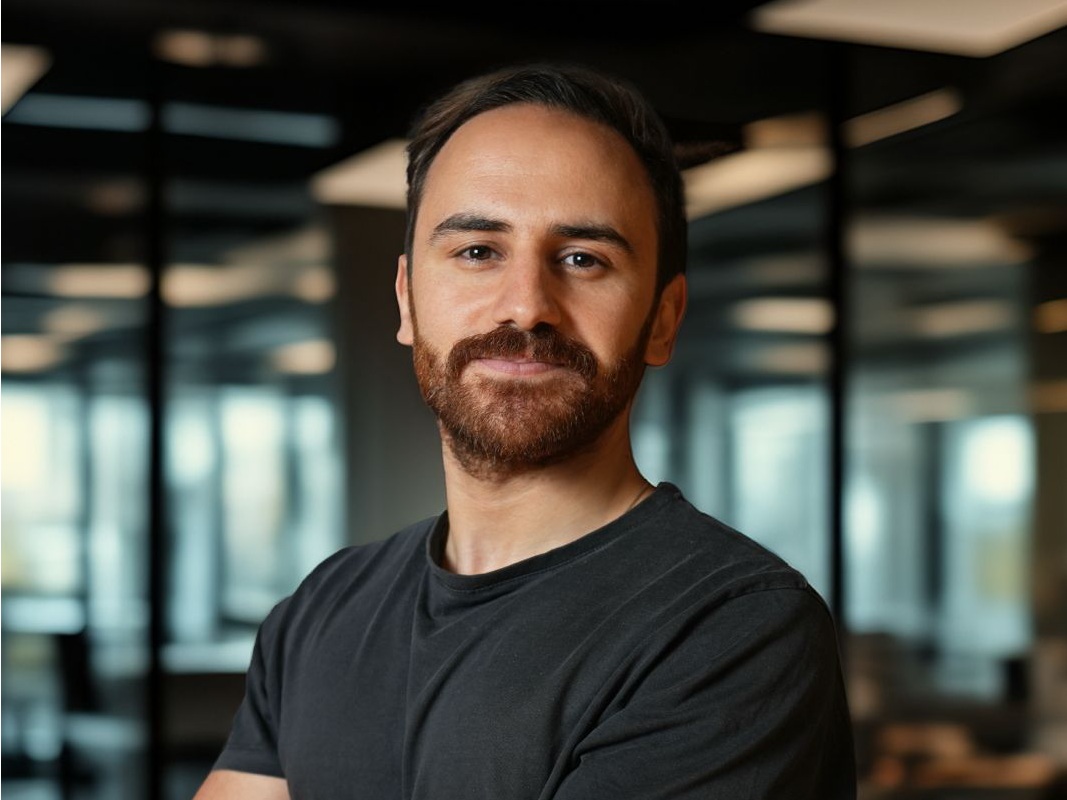
Basil Mimi is building an insurance product for a failure most businesses aren’t ready for—cloud downtime. With Mantas, his pre-seed startup, Mimi is introducing parametric insurance to cover the operational and financial risks of cloud service interruptions.
The idea is simple but largely untapped in the region: when infrastructure fails, payouts trigger automatically. In a market where digital platforms form the backbone of commerce, logistics, and fintech, Mimi sees downtime not as a technical glitch but as an unpriced liability. Mantas is now working through regulatory approvals and enterprise partnerships to make cloud risk insurable, measurable, and part of a company’s core business continuity plan.
What drove you to join the startup world?
I’ve always been drawn to solving complex problems, which led me to study Computer Systems Engineering. My journey into tech started early. I built my first website at 13 and spent eight years as a web developer working with startups worldwide. This experience showed me how the digital world never sleeps, and neither do its risks. My background in fintech, AI, and cloud infrastructure revealed a critical gap in how businesses manage downtime risks. With Mantas, I set out to redefine resilience by insuring cloud downtime and preventing it through AI-driven risk assessment and mitigation strategies.
Why did you choose the Middle East to start/expand the business?
The Middle East, particularly the UAE and KSA, is rapidly emerging as a global hub for technology and fintech. The region offers a strong regulatory framework, government-backed innovation initiatives, and a thriving digital economy. With the GCC experiencing a surge in cloud adoption and digital transformation, the demand for robust risk management solutions like Mantas is more critical than ever. Moreover, the region’s forward-thinking approach to insurance and fintech provides an ideal launchpad for innovation. Establishing Mantas here allows us to address an urgent market need while laying the foundation for future global expansion.
How would you describe the region’s startup scene in three words?
Dynamic, ambitious, evolving.
Is there something that has surprised you in your journey?
The speed at which regulatory frameworks in the UAE and GCC are adapting to new financial and technology-driven solutions. While insurance is traditionally slow-moving, the region’s regulators are increasingly open to innovation, which has been surprising and encouraging.
What are (in your view) the keys to approaching investors successfully?
Clarity of vision, strong execution, market validation, resilience
What was the most challenging part of raising funding, and how did you overcome it?
The biggest challenge has been educating investors on the operational structure of an insurtech company in the Middle East and the process of introducing cloud downtime insurance as a new category in the region. Unlike traditional fintech or SaaS models, launching an insurance product requires securing capacity from a lead reinsurer and collaborating with multiple partners across the insurance value chain, similar to how investment rounds are structured. We’ve successfully navigated this by demonstrating how Mantas fits into the broader market trends, showcasing our strong partnerships, and proving the scalability of our model.
Our ability to bridge the gap in traditional cyber insurance has resonated well with investors who recognise the growing demand for innovative risk management solutions. MBRIF has provided us with invaluable mentorship, market guidance, and access to key stakeholders in the financial sector. Programs like these play a crucial role in helping startups navigate market entry, regulatory compliance, and investor readiness, equipping us with the resources and connections needed to scale effectively
What is the best piece of financial advice you have received?
“Focus on unit economics from day one.” This powerful advice from our advisory member, Lama Yammine, cuts through the noise of startup hype. Too many founders fall into the trap of prioritising rapid growth over financial fundamentals, burning cash without a clear path to profitability. Unit economics is the heartbeat of a sustainable business. It tells you whether each customer, transaction, or product is truly profitable. If your core economics don’t work, no amount of scaling will fix it. But if you nail them early, every dollar spent fuels sustainable growth, not just vanity metrics.
What has been your biggest success and your biggest failure?
Biggest success: Launching Mantas and securing interest from leading e-commerce and SaaS companies before even going live.
Biggest failure: Early on, I underestimated the complexity and time required for insurance regulatory approvals. While experienced in fintech, AI, and cloud infrastructure, I initially prioritised product development, assuming a strong product and market demand would accelerate the process. However, compliance required extensive documentation and strategic partnerships, which delayed our market entry.
What is the best quality a leader can have?
Adaptability & clear vision. The startup landscape is unpredictable, and the best leaders know how to pivot, learn, and keep moving forward.
Where would you like to be in five years’ time?
I envision Mantas as one of the leading global cyber insurance companies, expanding into new markets and diversifying our product portfolio. Through our parametric solutions, we aim to serve additional industries while leveraging key partnerships across different regions to scale effectively.