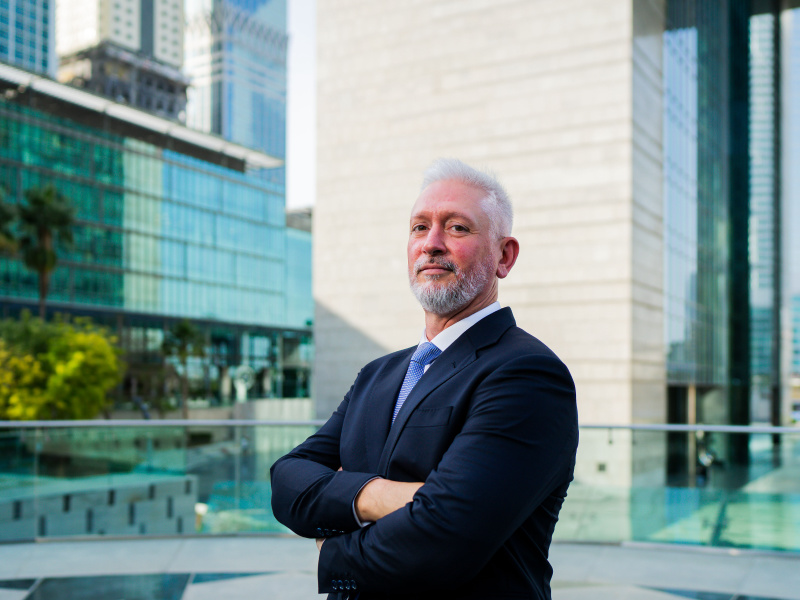
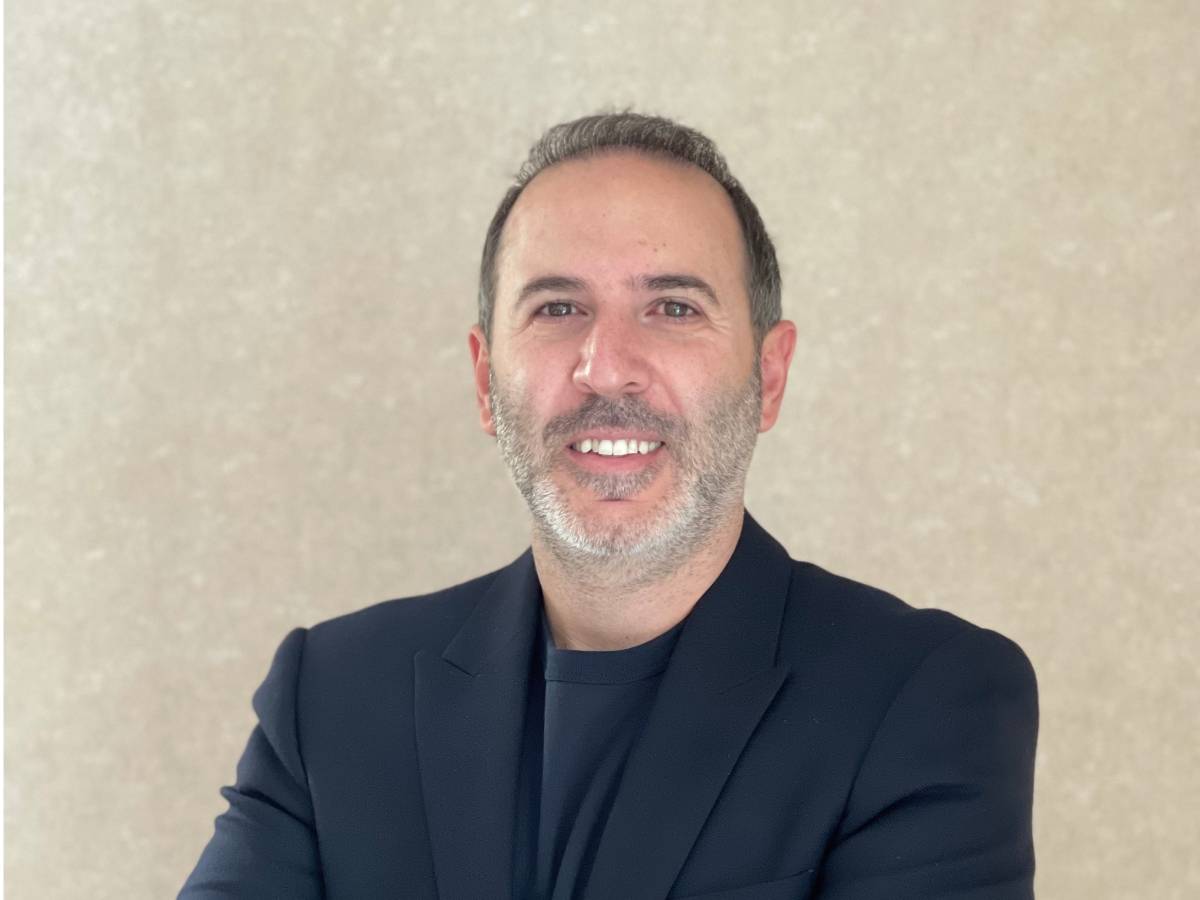
Edward Hamod is betting on the Middle East’s shift toward sustainable consumption by building a regional alternative to traditional meat. At Switch Foods, the plant-based startup he founded after years in corporate leadership, Hamod is scaling a production model from Abu Dhabi designed to serve the region’s appetite for food security, local sourcing, and innovation.
What began as a personal return to the startup world is now a growth-stage business with a full production facility and traction across investors, retailers, and policymakers. Positioned between consumer trends and climate priorities, Switch Foods is Hamod’s platform to drive regional change, using manufacturing scale and brand ambition to reshape how the Middle East eats.
What drove you to join the startup world?
I come from an entrepreneurial family and have always been drawn to the challenge of building a business from the ground up. With Switch Foods, it was more than just that; it was a chance to create a real impact and grow a category that the region urgently needs. After six years in executive roles, I found myself missing the dynamic pace of a startup, the energy of working alongside driven, like-minded founders and the fulfilment that comes from building something that can outlast you. This journey is about legacy, and Switch Foods is how I intend to build it.
Why did you choose the Middle East as the place to start/expand the business?
I’m from the Middle East and have always believed in the region’s potential. The UAE offers a strong foundation for ambitious founders through ease of doing business, access, world-class infrastructure and supportive policy frameworks.
It’s also the right market size to test, learn and refine. You can stay close to the consumer, iterate quickly, and operate efficiently while making a measurable impact.
Opportunities for startups continue to evolve, and being a part of the Hub71 community is a testament to that. We are experiencing firsthand the benefit of the support and access the tech ecosystem can provide to startups to grow and scale effectively from Abu Dhabi.
How would you describe the region’s startup scene in three words?
Young, ambitious, evolving.
There is real energy from founders and a strong appetite to build impactful startups. At the same time, the ecosystem still needs to develop in three key areas. First is talent, which depends on strong universities and a locally rooted knowledge base. Second, risk capital, which is still limited compared to more mature innovation hubs. Third is market structure, as the region’s markets remain relatively small and fragmented with varying regulations and players.
Despite these challenges, the ambition is clear, which is the most essential starting point.
Is there something that has surprised you in your journey?
Yes, there is a lack of true venture capital in a region that is otherwise full of capital. The Middle East is known for its wealth and financial strength, yet the VC ecosystem remains relatively limited in scope and scale.
Most of the capital is concentrated in a few sectors, and the amounts deployed are still a fraction of what we see in more developed startup markets. That contrast continues to surprise me, especially given the level of talent and ambition in the region.
What are (in your view) the keys to approaching investors successfully?
A strong track record, a deep understanding of regional markets, and a global mindset.
Investors want to see that you know the landscape in which you operate and are not limited by it. There is comfort in backing a founder who is from the region and understands its dynamics, but what stands out is when that founder has the clarity and vision to scale internationally.
What was the most challenging part of raising funding, and how did you overcome it?
The hardest part was deciding to put myself out there. Choosing to raise capital is a defining moment for any founder, and once you take that step, it becomes a continuous part of the journey.
The emotional weight also comes with being responsible for other people’s capital. In the early stages, much of that support comes from friends, family, and personal networks, adding another layer of pressure. It is not something I ever get used to, but it pushes me to put everything I have into Switch Foods.
What is the best piece of financial advice you have received?
Always closely monitor the company’s financial health and ensure you develop the right tools to measure financial performance accurately. From day one, we decided to work with top-tier auditors, implement an advanced ERP system and develop tools and reports that provide clear visibility into financial and performance metrics. This has been critical for decision-making and building trust and transparency with our investors.
What has been your biggest success and your biggest failure?
One of our biggest successes so far was building a full production and innovation facility in record time and within budget. We’re super happy with Switch and proud of its product quality and taste.
On the other hand, one of our toughest challenges, in my opinion, has been recruiting the right talent in certain key areas. It’s part of the journey, and team building remains a top priority as we continue to grow.
What is the best quality a leader can have?
A leader must have certain qualities for a startup to stand a chance. For me, it’s the drive and obsession in building the company, the resilience to find a way when everything seems to be working against you, and the ability to manifest the vision in short and mid-term milestones. That keeps the team aligned and makes the progress measurable, even in the most uncertain moments.
Where would you like to be in 5 years’ time?
Running a multi-million global Switch operation that is profitable, sustainable, and investable.