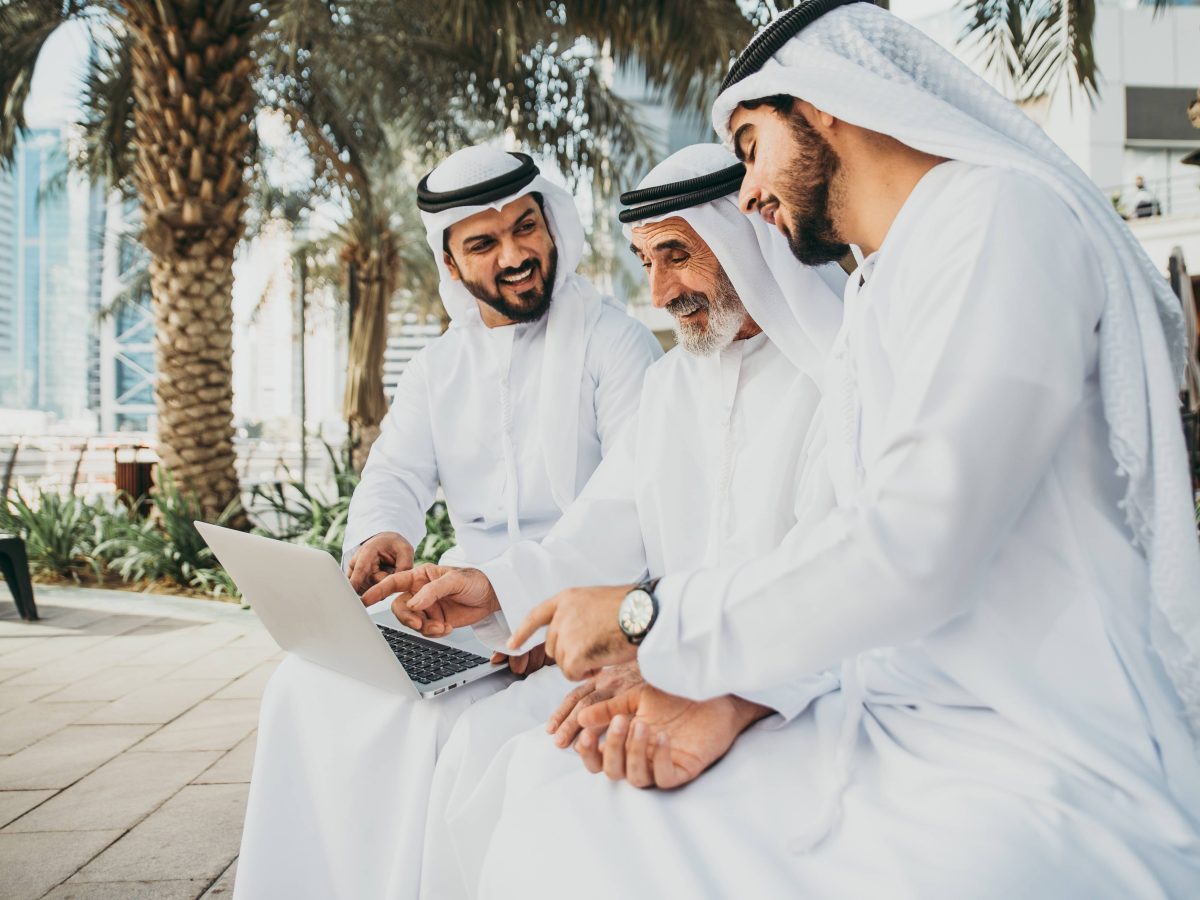
The UAE’s economic stability is built on the strength of its family businesses. These diversified conglomerates, operating across multiple sectors, contribute approximately 60% to the national GDP, employ around 80% of the private sector workforce, and comprise 25% of the most successful family-run firms in the MENA region.
Representing 90% of all private sector firms in the UAE, family businesses face significant hurdles in transitioning to future generations. A 2023 KPMG study reveals a concerning trend: while around 38% of businesses are chaired by the first generation and 47% are led by the second, only 15% have successfully transitioned to the third generation or beyond. This stark reality underscores the urgent need for the UAE’s family firms to actively preserve their legacy and sustain growth, particularly as the Middle East anticipates a $1 trillion generational wealth transfer within the next five years.
Family businesses have a long history in the Gulf region. In the UAE, early visionary entrepreneurs capitalised on and benefited from the opportunities presented by the oil-driven economic boom of the 1970s, laying the foundation for the diversified economy we see today. Many family firms now stand at a crucial inflexion point, facing a generational transition. While ongoing technological disruption and intensifying global competition further amplify the challenges, they also present opportunities for adaption, innovation and growth in the changing business landscape.
There is an urgent need, therefore, to elevate succession planning from an afterthought to a strategic priority as family businesses in the UAE begin the transition from second to third-generation ownership. Cultural sensitivities around challenging elders and discussing retirement can hinder this process. While establishing clear protocols and robust governance structures is crucial, a proactive approach that prioritises having open conversations on legacy concerns and leadership aspirations will foster a culture of transparency and encourage the development of future leaders.
A new breed of leadership is required to navigate the complexities of an evolving economic and social landscape. The entrepreneurial skills and strategies that fueled the initial corporate and financial success may be insufficient to steer organisations in their next growth phase. Competent leaders, within or outside the family, who foster innovation and promote a performance-driven mindset are essential for driving agility and resilience.
Too often, transition plans prioritise familial ties over demonstrable competence. As next-generation family members increasingly take their place at the leadership table, family businesses must objectively assess leadership potential within and outside the family circle and benchmark against global standards. Next-generation leaders, while keen to protect the purpose-driven, values-based culture upon which the business was built, also want to challenge the status quo and demand progress in digitising operations, achieving sustainability targets, and pursuing innovative expansion strategies. This necessitates a new leadership style that can diversify and protect the family’s wealth while adapting to the evolving nature of global businesses.
A diversity of views, talents, and experiences—from exposure to different industries and business models, as well as mentorship with non-family executives or peer groups—can take companies forward in new and interesting directions. Identifying skill gaps and addressing these through targeted development programs, including investing in executive education, can broaden horizons and challenge homogeneous thinking, enabling future leaders to minimise conflict and maximise resources.

Supporting the future of family businesses is a strategic priority in the UAE. Targeted support provided by the government through a robust legal framework aims to mitigate the risks associated with intergenerational handovers and reduce the pitfalls of fragmented ownership, bitter family disputes, and operational disruptions.
Regulations such as the Family Business Law, enacted in 2022, focus on creating long-term legacy and succession plans for all UAE-based family businesses. Establishing the Dubai Centre for Family Businesses further supports firms in adapting to a transforming regional and global economy, optimising opportunities for growth in a range of key industries, and ensuring their long-term viability.
Multi-generational businesses should further leverage the specialised experience and expertise of independent external advisors to bring an objective perspective to the succession process. As neutral facilitators, external advisors serve as a crucial counterweight to internal biases, creating a collaborative environment that fosters open communication. This ensures that every voice is heard and respected, enabling them to work towards a shared vision for the future.
With a trillion-dollar opportunity at stake in the Middle East region, UAE family businesses have a profound responsibility. By delicately balancing complex family dynamics with strategic leadership development and prioritising a structured approach to succession planning, family-run businesses in the UAE must seize the opportunity to cultivate a new generation of agile, resilient, and forward-thinking leaders. This effort will secure their legacy and help shape the future of the region’s economy.