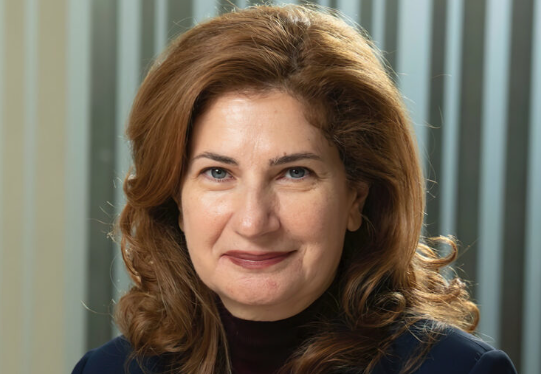
Vikas Goel’s entrepreneurial journey didn’t begin with a pitch deck or a seed round, it started in a power-starved room with no printer and a cheque for ₹17,000. Today, as the founder of EsportsXO, he is building from a very different vantage point, one shaped by over a decade of failures, pivots, and hard-won resilience. Based in Abu Dhabi, Goel is part of the region’s growing wave of founders choosing the Middle East not just for access to capital but for its trust-driven culture and ecosystem built for scale. In this interview, he reflects on what it takes to approach investors, why simplicity beats hype, and how the lessons from his lowest points shaped his philosophy as a builder, leader, and now, mentor.
What drove you to join the startup world?
I stepped into the startup world right after college in 2010, not knowing that it would shape everything about the way I work and think. The thrill of building something from scratch, solving problems with limited resources and figuring things out on the go was both challenging and addictive.
In an unstructured environment, the learning curve is steep and intense. I quickly realised that every challenge was an opportunity to become more resourceful, frugal and ambitious. I thrived in an environment where nothing was fully structured, and the so-called impossible only motivated me further. I began to enjoy the uncertainty, chaos, and challenge of pushing my professional limits.
Over the past 15 years, I spent the first three years working in startups and the next 12 building my ventures. There have been plenty of failures and a few successes, but each experience has reinforced my resilience and deepened my passion for entrepreneurship. There is no going back now. I take every challenge as a chance to grow and continue to enjoy the creative problem-solving that this journey has instilled in me.
Why did you choose the Middle East as the place to start/expand the business?
The Middle East has rapidly emerged as a dynamic startup hub, offering both a thriving market for new products and a strong appetite for innovation. It is not just a consumer of startup solutions but a region actively shaping the next generation of businesses—one that doesn’t have a market in India or the West. This unique blend of demand and opportunity makes it an ideal place to launch and scale ventures.
Beyond access to capital, the startup ecosystem here has evolved to support fresh ideas and unconventional solutions. Over the years, I have observed how the region fosters innovation in ways that other markets sometimes overlook, creating an environment where creativity and entrepreneurship can truly flourish. Being part of the Abu Dhabi ecosystem through Hub71 has reinforced this, not only through access to capital and infrastructure but also by enabling founders to build credibility, connect with decision-makers, and bring ambitious ideas to life. One of the biggest strategic advantages of being in the Middle East is its proximity to India and neighbouring countries. This allows for better market access, faster logistics and a more efficient expansion strategy, making it a highly practical base for growth.
But perhaps the most important lesson I have learned here is that trust is the currency of the Middle East. Credibility is built over time, and once established, it becomes the foundation for long-term success. This deeply aligns with my personal ethos, making this region not just a business opportunity but a place where I can build meaningful relationships and grow in a way that truly matters.
How would you describe the region’s startup scene in three words?
The startup scene in the Middle East can be defined by three key pillars: trust, access and scale. These are not just business principles; they are the foundation of how this ecosystem operates.
Trust is at the heart of every successful venture here. Business relationships are built on credibility, and once trust is earned, it opens doors to long-term opportunities. Access is another defining factor, whether it’s access to capital, networks or market opportunities, the region offers unparalleled support for entrepreneurs. And then there’s scale. The Middle East is a high-growth market where startups with the right vision and execution can expand rapidly.
These elements make the region an exciting and rewarding place to build a business, and they resonate deeply with my values and ambitions.
Is there something that has surprised you in your journey?
When I embarked on my journey in the startup scene, I began with very limited knowledge as an employee and wasn’t aware of the challenges that lay ahead. However, as I delved deeper into the hustle, I began developing critical skills, including understanding what it means to be a team player, even when running a company. I faced countless struggles, most of which tested my limits and brought out the strengths in me I never knew I had. These hard-fought lessons not only shaped my resilience but also redefined my approach to leadership and problem-solving. Today, I’m in a position where I’m committed more than ever to creating value, fostering innovation and focusing on the power of creative thinking to fuel growth and change within the constantly changing startup culture.
What are (in your view) the keys to approaching investors successfully?
This might sound like unconventional advice for founders, but I strongly feel that the key to approaching investors successfully is honesty. Being open about the struggles and challenges you’ve faced while showing your passion for startups earns trust and credibility with investors. It is essential to remember that the best investors invest in you as a person first and then in your business. By being open and honest, you place yourself at ease and in a place of authority, and that promotes an authentic rapport.
Even if your startup has less than a 5% chance of success, if you’re raising funds for that idea, be honest about it. Be transparent with investors about why you are still committed to moving forward with the idea. My perspective is very simple and straightforward: honesty is a filter, allowing investors who believe in you to see the potential of your vision, even when the odds are against you. This approach not only earns respect but also attracts investors who believe in your journey and your passion.
What was the most challenging part of raising funding and how did you overcome it?
The most challenging aspect of raising funds was keeping things simple while constantly evolving. I always remember what one of my mentors once told me: “Founders are like artists”. When you begin, you have a broader vision, but the more you progress, you constantly refine and improve your method.
When we began with EsportsXO, we had one vision for our business. However, as we faced challenges, we had to modify and shape it into a full-fledged platform. This process of iteration made it more challenging to explain the evolving idea to investors.
Despite these challenges, we remained committed to the process and our ability to execute. This consistency and commitment to our vision allowed us to attract the right investors at the right time.
What is the best piece of financial advice you have received?
Over the years, I’ve received a lot of financial tips, but the best lessons have come from my personal experience. One of the most important of these was to be frugal. I’ve observed that many startups’ failures were due to being over-capitalised.
Abundance can be deceptive, allowing companies to take risks without fully understanding the potential outcome. While growth is essential, it’s equally important to have a sound business plan in place. Until then, don’t spend millions just to approve a point. The real goal should be sustainable, strategic growth, not just rapid expansion at any cost.
What has been your biggest success and your biggest failure?
My greatest achievement wasn’t about bringing in millions; it was about survival and resilience. It was the very first ₹17,000 cheque I received from a client in my second venture. At the time, I was my own employee, operating the company from an unfurnished room with no power backup and no printer to speak of.
I had just emerged from a failed startup, totally broke and found myself unemployed. That cheque wasn’t just money, it was proof that I could build something valuable. With it, I purchased a used chair, a UPS and a basic black-and-white printer. More significantly, it made me believe again that I could continue. That instant energised my journey, compelling me to pursue the next cheque and many more subsequently.
My biggest failure was mistaking my first fundraiser as a victory rather than a stepping stone. I let my guard down, thinking securing funds meant success. But reality hit hard. The funding winter arrived, market conditions changed, and I realised too late that I had wasted precious time. I should have continued doubling down on execution instead of believing things were going to take care of themselves. That lesson taught me the difference between raising money and truly building a business, one that can thrive regardless of the funding climate.
What is the best quality a leader can have?
The two greatest qualities a leader possesses are perseverance and the ability to be a good teacher. Starting a business is an incredibly challenging journey, and without determination, it grows more difficult with time. In the initial stages, you often find yourself hiring team members who may not have a firm grasp of your vision or are new to the marketplace. In such situations, a leader must invest time in teaching and training, helping the team catch up and align with the bigger picture.
A great leader doesn’t just lead but encourages others to grow and become leaders themselves. The ability to develop leadership skills within the team creates an environment where everyone is motivated and moves towards the same goals. This is a powerful trait that drives you and the company forward, pushing you and your business to greater heights than you ever thought possible.
Where would you like to be in 5 years’ time?
Five years from now, I’ll still be doing what I love – building. Whether it’s my own product-driven, profitable startup or helping other founders bring their ideas to life, I’ll be right in the middle of the action. AI excites me, especially in gaming, and I see myself creating something that not only scales but also makes an impact.
Beyond my own ventures, I’ve started using my experience, network, and lessons from building startups to guide first-time founders through the chaos of entrepreneurship. I’ve already invested in a few startups and plan to do more, whether with capital or by offering my time, skills, and insights.
For me, startups aren’t just business, they’re an obsession. Whether I’m building, investing or mentoring, I want to be part of the next wave of bold founders and groundbreaking ideas.