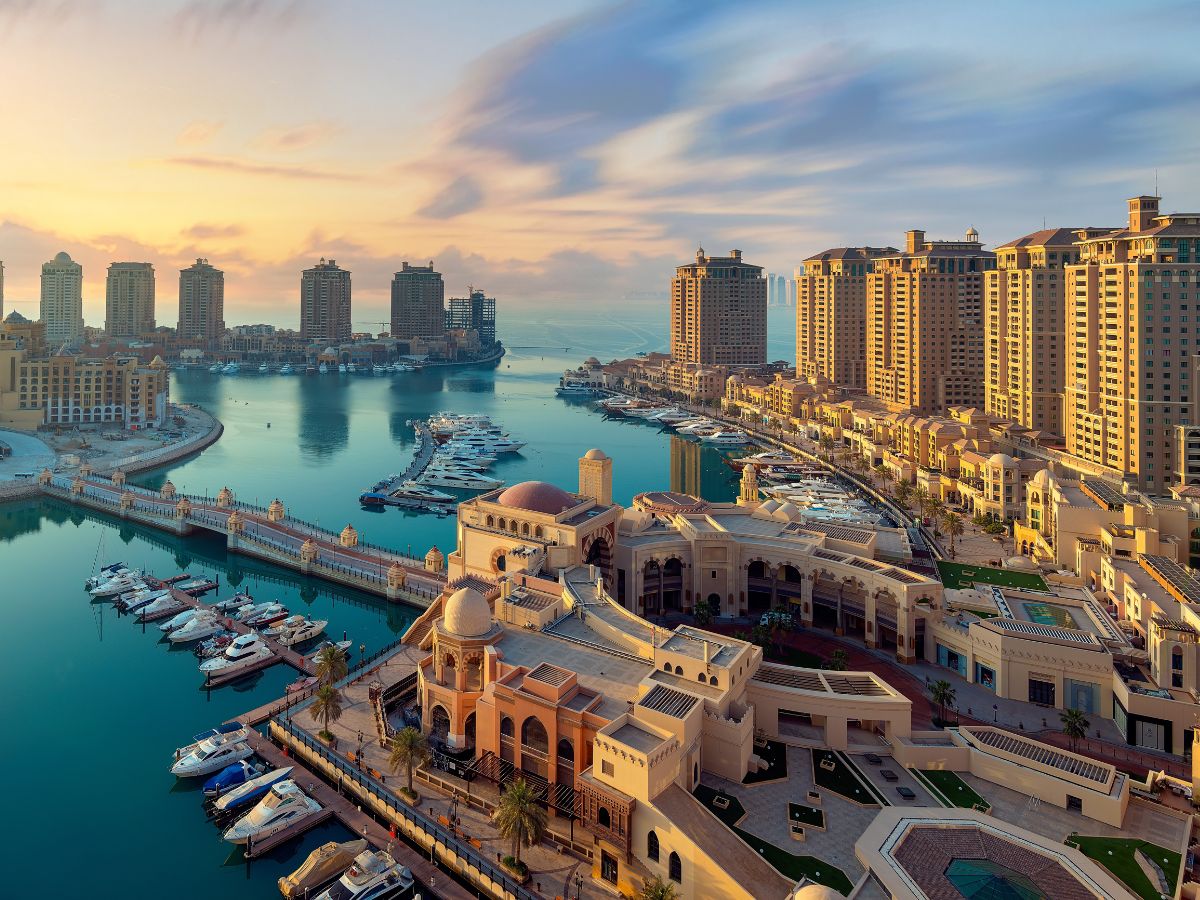
The way we own property is changing forever.
Tokenisation is reshaping the real estate market as we know it. By converting property assets into digital tokens, it enables fractional ownership, global access, and near-instant transactions. You no longer need millions to own a slice of prime real estate — just a smartphone and a smarter vision.
This isn’t a theory. It’s happening.
And nowhere is this transformation more evident than in Dubai. On May 25, the Dubai Land Department (DLD) — together with the Virtual Assets Regulatory Authority (VARA), Ctrl Alt, PRYPCO, and the Dubai Future Foundation — launched the region’s first government-integrated, blockchain-based tokenisation of real estate title deeds, powered by the XRP Ledger, fully compatible with the UAE’s national property registry. This isn’t a pilot—it’s a live ecosystem built on regulatory floodgates engineered for speed, security, and transparency.
The minimum investment requirement? Just Dh2,000. This means that fractional stakes in luxury apartments or commercial towers can now be held by ordinary investors worldwide, secured under one of the most trusted legal frameworks available. It also empowers investors to diversify their portfolios across multiple properties at once, something that was nearly impossible in traditional real estate.
Consider the scale: DLD projects that tokenised real estate will capture roughly 7% of Dubai’s property market by 2033 — representing a potential Dh60 billion market opportunity. This forecast isn’t just impressive; it signals a fundamental shift in how real estate value is created, distributed, and accessed across borders.
But the true impact lies in liquidity. By converting traditionally illiquid assets into tradable tokens, barriers are breaking down—transfers that once took months can now complete in near-real time. Title deeds secured on-chain translate into unparalleled transparency and legal certainty. Plus, with lower transaction fees and automated processes powered by smart contracts, the entire investment process is becoming faster, cheaper, and more efficient for all participants.
The early response is clear evidence. Within the first 24 hours, over 200 investors, more than 70% of whom were new to Dubai real estate and representing 44 nationalities, participated — while over 6,000 people joined the waitlist. This isn’t incremental change — it’s a tidal wave of demand. What was once limited to local high-net-worth buyers is now open to a global investor base, fuelling Dubai’s already vibrant property market.
Tokenisation is not just a technological breakthrough; it’s a paradigm shift in the DNA of real estate. It increases transparency, expedites transactions, lowers entry points for investors, and underpins them with legally binding, government-certified processes.
As an asset that can now be fractionally owned, traded, and legally defended on blockchain, property ownership itself has evolved — from static and exclusive to dynamic and inclusive. This new level of accessibility also has the potential to boost financial literacy and encourage greater participation among generations who previously felt excluded from this asset class.
For investors, developers, regulators, and everyday people — this moment is a turning point. Tokenisation isn’t merely innovation; it’s transformation. It marks the end of real estate’s old era of exclusivity and opens the door to something profoundly more equitable.
The moment is now. The infrastructure is live. And the question we must collectively answer is: are we bold enough to redefine what ownership looks like for generations to come?