

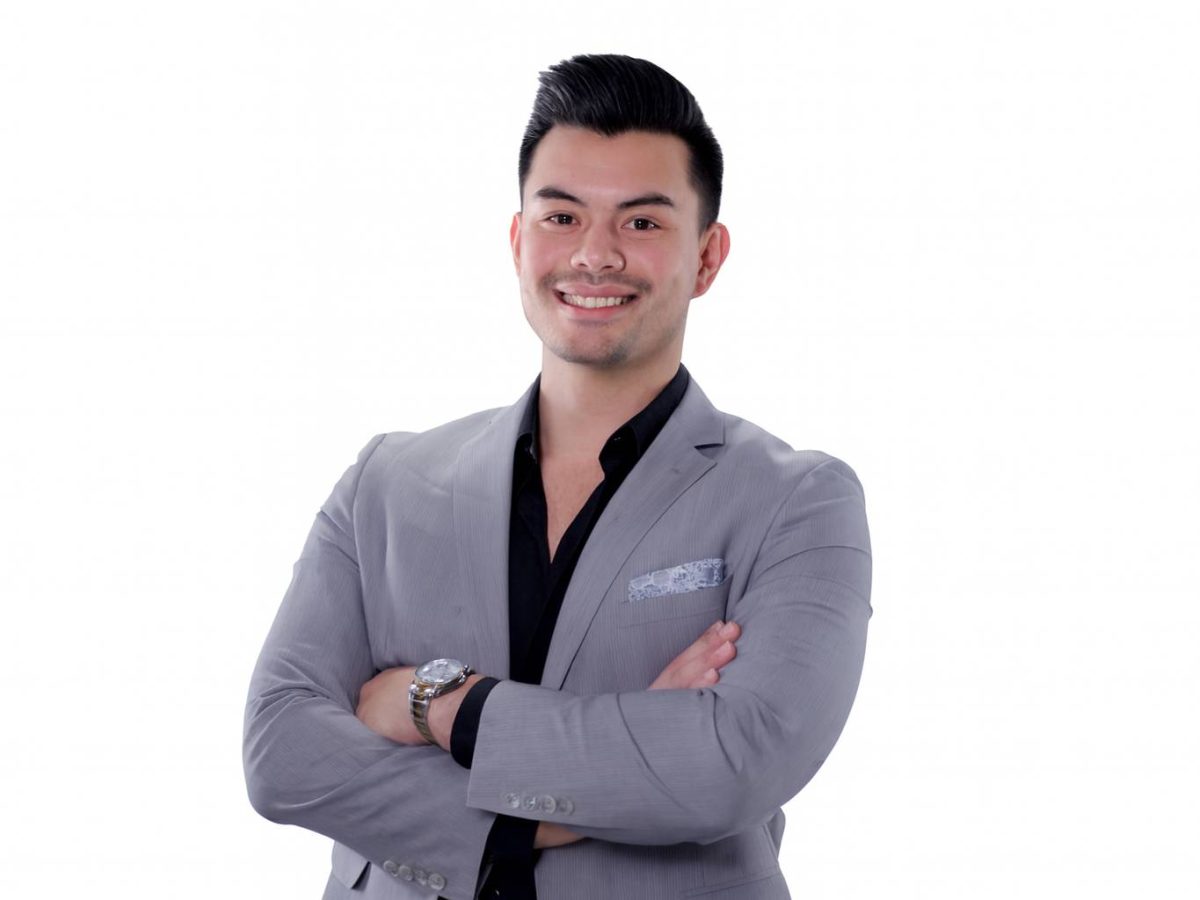
From a childhood in rural Spain to winning the CES Best of Innovation Award, Alberto Aguilar’s journey is anything but conventional. As co-founder and CEO of Plantaform, he is pioneering the world’s first indoor garden built on NASA-derived fogponics technology, a system that uses 60% less water than hydroponics while producing faster, healthier growth. Backed by retail partnerships with Costco Canada and regional distributors like Jumbo Group, Aguilar is now bringing his sustainable agri-tech vision to the Middle East. In this conversation, he reflects on the lessons learned from past ventures, why the UAE is the perfect launchpad, and how building trust and resilience has shaped Plantaform’s expansion.
What drove you to join the startup world?
Since I was young, I’ve always been drawn to solving problems in unconventional ways. Growing up in Spain, my family wasn’t wealthy, so if I wanted something, I had to figure out how to earn it. By the time I was in secondary school, I was starting small ventures, selling items, offering services, anything that taught me how to create value.
In university, I launched my first real startup, which was acquired three years later. My second venture was gaining momentum until COVID-19 forced us to shut down. That setback became the seed for Plantaform. I went back to my roots, literally, thinking about my childhood in a Spanish homestead where growing fresh food was part of everyday life. I wanted to merge that connection to nature with cutting-edge technology to solve one of the world’s biggest challenges: how to grow food more sustainably, anywhere in the world.
Why did you choose the Middle East as the place to start/expand the business?
Food security and water scarcity are the main reasons. Our fogponics technology addresses both, saving up to 60% more water than hydroponics while growing plants faster and healthier.
There’s also a personal connection, I spent my high school years in Dubai, which gave me a lasting sense of home. I’ve always admired the region’s ability to turn ambitious visions into reality. Here, people understand that not taking a risk can be the biggest risk of all.
The Middle East’s vision for sustainable innovation, combined with strong government-backed initiatives like MBRIF, creates the perfect environment for transformative agri-tech. And culturally, the emphasis on relationships and long-term partnerships aligns perfectly with how we like to do business.
How would you describe the region’s startup scene in three words?
Ambitious. Resilient. Collaborative.
Is there something that has surprised you in your journey?
I’ve been surprised by how open and collaborative the Middle East’s business community is. In other markets, conversations with investors or partners can feel transactional. Here, trust is the foundation, and once that’s there, business moves fast. The speed at which doors open when your vision aligns with the region’s priorities is unlike anything I’ve experienced.
What are (in your view) the keys to approaching investors successfully?
First, investors invest in people before they invest in products, be authentic and show them why you’re the person to make this happen.
Second, it has to be a match both ways. Not every investor is right for you, so take the time to learn about them, understand their track record, and see what strategic value they can add beyond capital.
Third, try to meet investors in less formal settings. Some of my best connections happened by chance, in moments where neither of us was in “pitch mode.” Those conversations are far more memorable than the ones that happen at large networking events.
What was the most challenging part of raising funding and how did you overcome it?
One of the biggest challenges was bridging the gap between being an award-winning North American company and earning local validation in the Middle East. MBRIF has been instrumental in bridging that gap. They’ve guided us in understanding the market, helped us position ourselves for success in the region, connected us with key stakeholders, and supported our soft launch here. Such government-backed programs not only provide credibility, but also create access to networks, funding, and market entry strategies that can accelerate a startup’s growth in ways that would be nearly impossible alone.
What is the best piece of financial advice you have received?
Stay small until you have product-market fit, and build scalable practices before expanding. In the early days, it’s all about staying in the game long enough to catch that home run opportunity.
What has been your biggest success and your biggest failure?
Our biggest success was winning this year’s CES Best of Innovation Award, beating major companies like Samsung and LG in our category. That recognition brought global headlines and helped us sell out across North America within a month, including our Costco Canada roadshow.
Our biggest failure was underestimating the complexity of scaling manufacturing during the global supply chain crisis. It led to delays, higher costs, and missed opportunities. It was a hard lesson, but it pushed us to build more resilient supply chains and explore regional manufacturing closer to our growth markets.
What is the best quality a leader can have?
Having a strong vision and being resourceful. A leader must keep the vision clear and alive, aligning the team’s focus at all times, while also finding creative ways to provide the necessary resources to overcome each bottleneck along the way.
Where would you like to be in five years’ time?
Five years from now, I see Plantaform and Plantafarm as household names across both North America and the Middle East, enabling food production from city apartments to commercial greenhouses in regions where water is scarce.
Personally, I want to create a future where my wife and daughter can be proud of the positive impact we’ve made on food security across the Middle East and Africa, regions where water scarcity and limited access to fresh food are daily realities.