
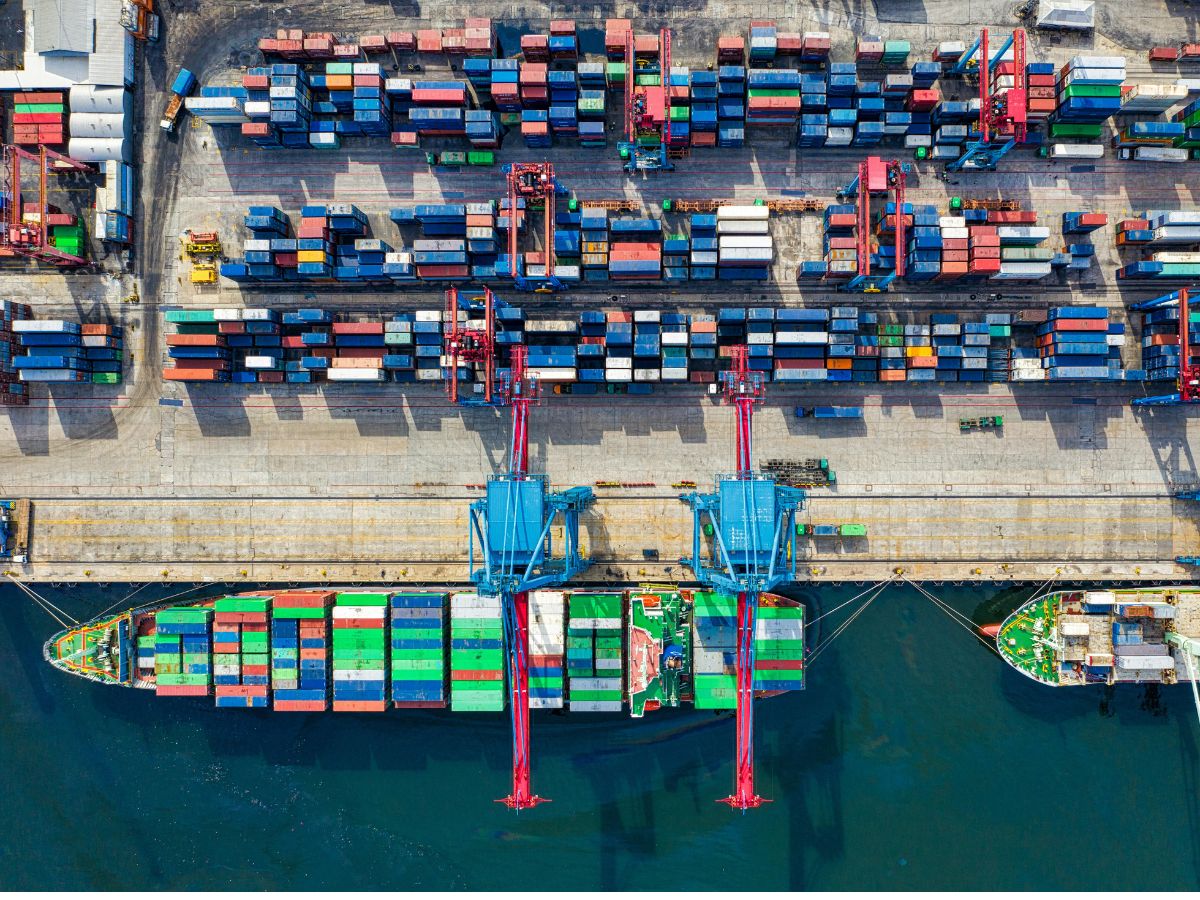
The Gulf Cooperation Council (GCC) is facing a turning point in trade strategy as global protectionism rises, according to a new report from KPMG Middle East. The study recommends that GCC states align trade policies with national industrial goals while deepening regional coordination to strengthen supply chain resilience and reduce dependence on external markets.
The paper, Strategic Autonomy in Trade, released in September 2025, warns that the global economy has entered a slower growth phase, marked by ageing populations in advanced economies, high debt burdens, and weaker productivity. Global trade has stagnated since 2008, while tariff-based policies and protectionist measures have become a more prominent feature of national strategies.
National approaches diverge
Saudi Arabia and the UAE are taking different paths. Saudi Arabia is focusing on industrial localisation under Vision 2030, building domestic capacity in chemicals, metals, pharmaceuticals, and renewable energy components. The UAE, by contrast, is positioning itself as a logistics and re-export hub, accelerating bilateral trade agreements and expanding free zone infrastructure.
While these strategies reflect distinct priorities, the report notes opportunities for coordination, such as joint industrial projects, harmonised incentive frameworks, and collective trade negotiations.
Rising risks to open trade
The GCC’s historically low average tariff rate of about 5% has enabled broad access to international markets but also created structural vulnerabilities. Despite total trade volume reaching $1.5 trillion in 2024, growth slowed by 4%, underscoring exposure to global disruptions.
KPMG highlights Saudi Arabia’s reliance on bloc-level trade agreements under the GCC framework, with recent deals including New Zealand and ongoing talks with Australia, Japan, the UK, and Indonesia. The UAE, meanwhile, has signed 26 Comprehensive Economic Partnership Agreements since 2021, covering services, digital trade and investment.
Recommendations
The report proposes a two-track strategy. At the national level, GCC governments should map high-risk supply chains, diversify sources of raw and intermediate materials, and support outbound investment in upstream production. At the regional level, the GCC Customs Union should be leveraged to coordinate negotiations, harmonise industrial incentives, and co-finance regional projects.
“Trade policy can no longer be treated as separate from industrial development,” the report said. “The two must work together to support long-term resilience, job creation, and competitiveness.”
KPMG argues that aligning national priorities with regional cooperation will allow the GCC to shape, rather than simply react to, shifts in global trade.