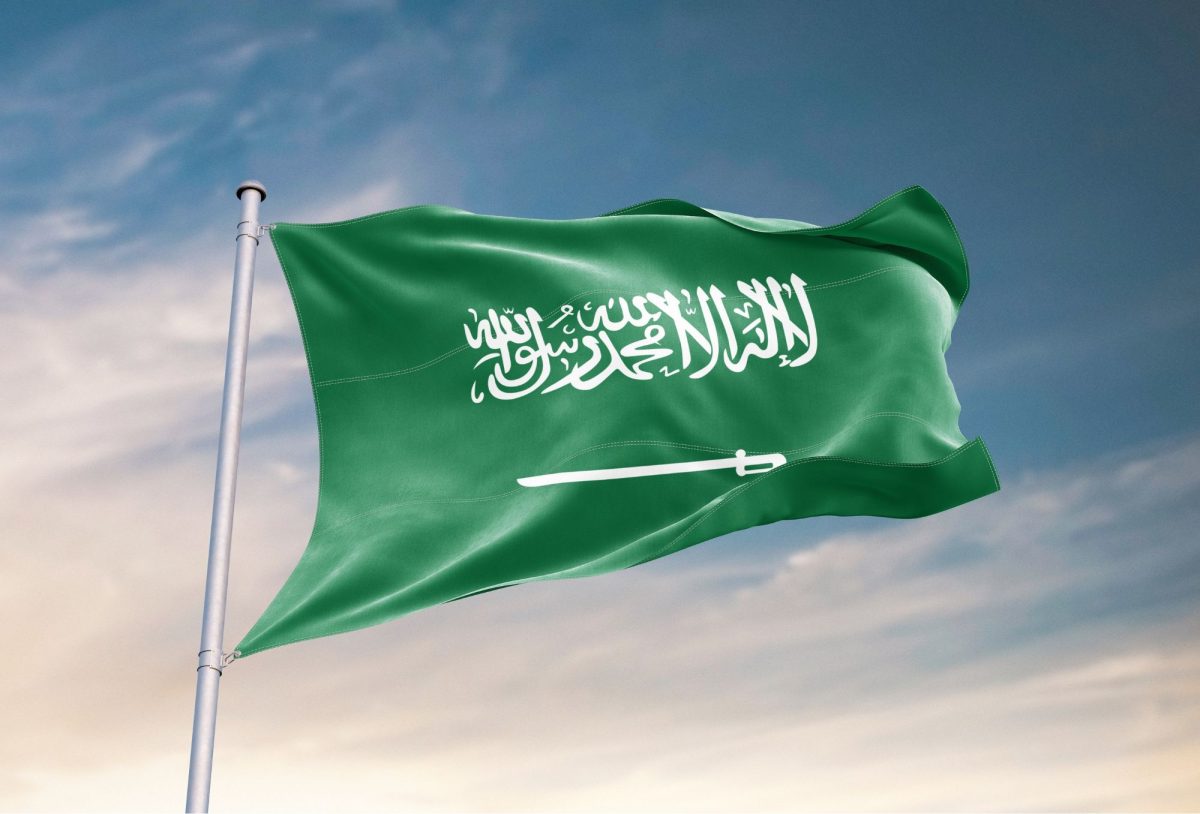
In the second quarter of 2025, Saudi Arabia saw a 14.5% rise in net foreign direct investment (FDI) compared to the same period in the previous year, hitting around SR 22.8 billion. This uptick is noteworthy compared to the 2024 Q2 figures, which stood at SR 19.9 billion. However, despite this year-on-year growth, there was a slight quarterly slump, with a 3.5% drop from the first quarter’s SR 23.7 billion, according to the General Authority for Statistics (GASTAT).
The inward FDI flows into the Kingdom summed up to SR 24.9 billion in Q2 2025, which reflects an 11.5% decrease from Q2 2024, where it was SR 28.2 billion. Compared to Q1 2025, this represents a 4.1% reduction from the SR 26.0 billion reported.
Outward FDI movements also went through a significant change, substantially dropping to SR 2.1 billion during the second quarter of 2025. This marks a steep 74.5% dive from the previous year’s same quarter, which recorded outward flows of SR 8.2 billion. Importantly, outward FDI flows also declined by 10.5% from SR 2.3 billion in Q1 2025.
This mixed performance suggests a landscape where Saudi Arabia’s FDI is navigating post-pandemic economic adjustments, with global and domestic factors potentially influencing investor confidence and resulting capital flows. The evident discrepancy between the quarters highlights the ongoing challenges in stabilizing and boosting investor sentiment amid fluctuating global economic conditions.
The implications of these changes hold crucial insight for strategists and analysts aiming to decipher Saudi Arabia’s middle- and long-term investment attractiveness. While the year-on-year increase indicates a recovering appeal among foreign investors, the quarter-to-quarter decline could send mixed signals about the immediate economic health and prospects.
Saudi Arabia’s broader economic vision, which frames these investment movements, remains focused on diversifying the economy and reducing oil dependence. Foreign investment plays a key role in this strategy, setting a pace for diversification efforts in sectors like technology, green energy, and infrastructure development.
This movement in Saudi Arabia provides an intriguing lens through which the Middle East markets might evolve. There’s no word yet on whether this investment dynamic will unfold similarly across neighboring regions, but it could set a precedent for how Gulf Cooperation Council (GCC) countries could approach FDI to foster economic resurgence and innovation. Whether or not these changes signal an upcoming trend in the Middle East remains to be seen, but such shifts are certainly worth watching closely.