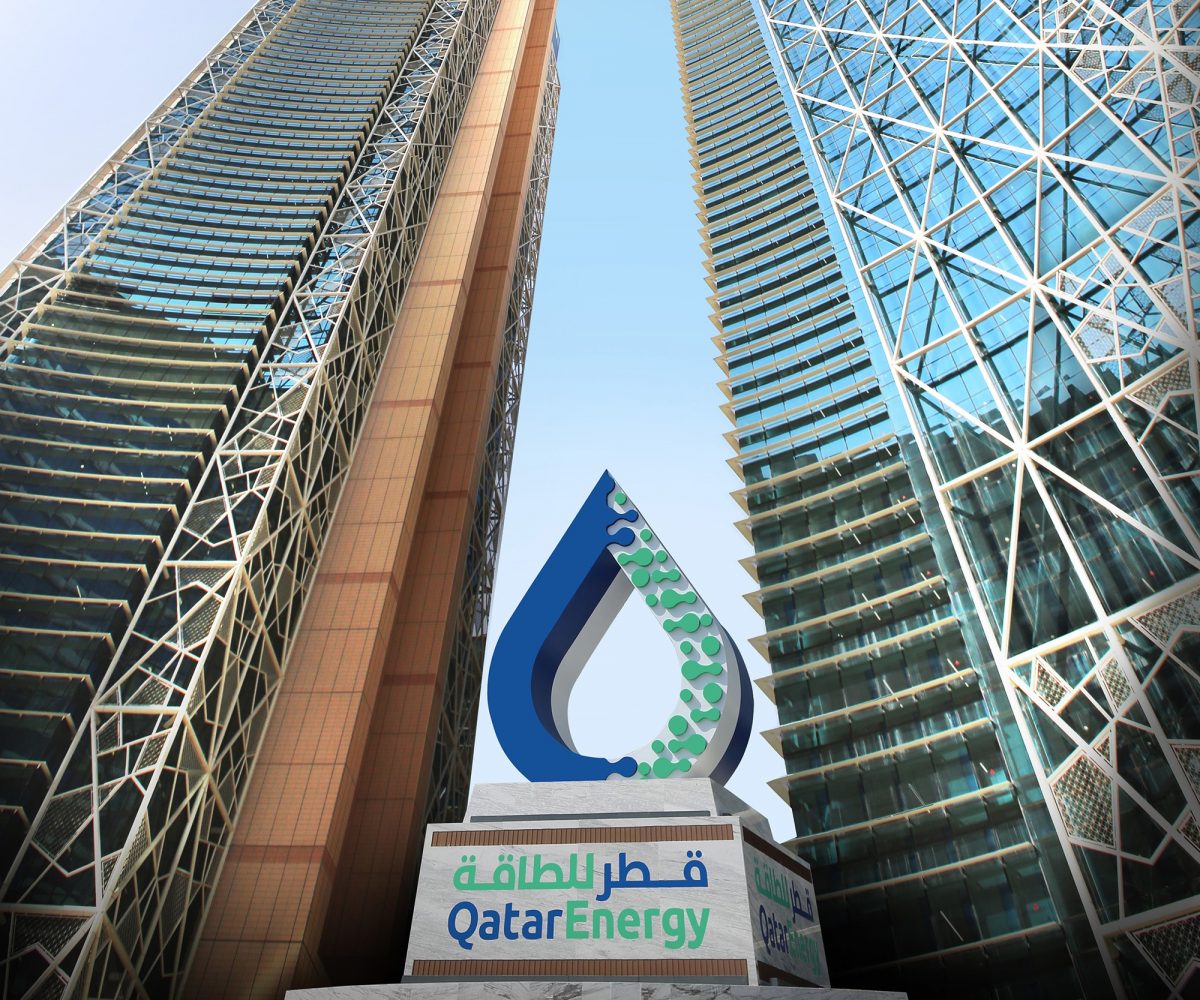
QatarEnergy has entered into a definitive agreement with Shell to acquire a 27% participating interest in a prime offshore block in Egypt, marking another step in its aggressive expansion into international energy markets. This strategic acquisition, which is yet to receive final approval from the Egyptian authorities, will still see Shell maintaining its role as the operator with a 36% stake in the North Cleopatra offshore block.
The Herodotus basin, where the North Cleopatra block is situated, offers promising opportunities. Spanning over 3,400 square kilometers in the eastern Mediterranean, it encompasses waters as deep as 2,600 meters. This region is regarded as a frontier field, and QatarEnergy’s investment indicates a calculated move into highly potential yet less explored waters.
QatarEnergy’s ongoing strategy to broaden its international reach has been evident through recent acquisitions. The company has recently secured stakes in prolific oil and gas basins across the globe, including territories like Guyana, Lebanon, Namibia, and South Africa. With such moves, Qatar is clearly positioning itself as a global player in the energy sector, aligning its targets with the future demand for energy resources.
Additional partners in the North Cleopatra block include Chevron, holding a 27% interest, and the Egyptian Tharwa Petroleum Company with a 10% share. This collaborative approach underscores the significance of partnerships in tackling complex offshore projects, where the technological, financial, and operational challenges require shared expertise and responsibility.
The importance of the Mediterranean basin is rising due to its energy potential and strategic location. For Egypt, such partnerships provide not only capital and technology but also a validation of its energy policies aimed at harnessing offshore resources to support economic development.
The agreement with Shell is part of Qatar’s larger strategic pivot which sees it enhancing its leadership in liquefied natural gas (LNG) production while simultaneously investing in alternative sources of energy globally. This investment approach reflects an anticipation of the fluctuating dynamics of global energy demands, where diverse resources and geographical spreads offer resilience against market volatilities.
For the Middle East, this deal signifies a growing trend where regional energy players are increasingly looking outward to bolster their reserves and meet the future global demand. While there’s no immediate indication of a direct impact on local markets, such international forays often bring back technology and expertise, which could subtly influence regional energy dynamics.
QatarEnergy’s latest acquisition again underscores the pivotal role the Middle East continues to play in shaping global energy policies and practices. However, whether this move will see immediate reverberations in local energy projects remains to be seen. Nonetheless, it reflects a willingness of regional players to adapt and integrate into the global energy framework actively.