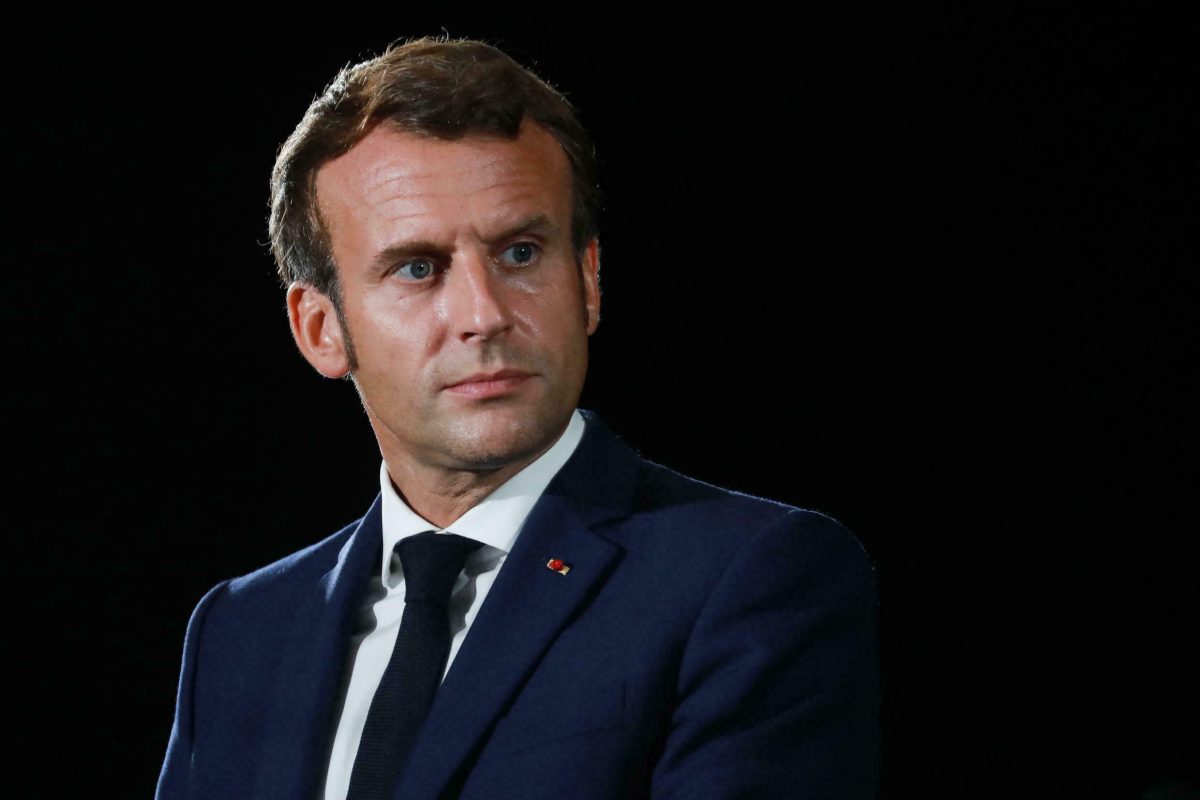

Abu Dhabi, UAE — President Emmanuel Macron’s visit to Abu Dhabi this week comes at a moment of regional unease in the Gulf, but also amid growing strategic alignment between Europe and the United Arab Emirates on AI and energy infrastructure.
For France, the meeting with President Mohamed bin Zayed is less about symbolism than about securing the capital and compute required to sustain Europe’s AI ambitions.
From Diplomacy to Data Centres
That logic was set in motion in May, when Abu Dhabi-based AI group G42 and French start-up Mistral AI agreed to collaborate on next-generation AI platforms and digital infrastructure.
The partnership spans the full AI value chain, from model training and agent development to infrastructure and sector-specific applications. It builds on a broader UAE plan to invest up to $56.4bn in French data centres, targeting as much as 1.4 gigawatts of capacity.
Mistral AI is also reported to be exploring funding from Abu Dhabi-backed investor MGX, underlining the growing role of Gulf capital in Europe’s AI build-out. For France, the appeal lies in pairing domestic research capability with external capital able to finance energy-intensive infrastructure at scale.
EU–UAE Alignment Beyond France
The discussions extend beyond bilateral ties. During Abu Dhabi Finance Week, EU officials advanced talks on the next phase of EU–UAE trade negotiations, covering AI, green hydrogen and foreign direct investment.
The coordination reflects a broader effort to align national technology strategies with EU-level trade and regulatory frameworks.
Commercial Momentum Builds
Mistral’s expanding commercial footprint further illustrates this trajectory. This month, HSBC announced a multi-year partnership granting the bank access to Mistral’s commercial AI models.
HSBC chief executive Georges El-Hedery said the collaboration would enhance AI capabilities across the group, while Mistral chief executive Arthur Mensch emphasised data ownership and operational control.
Why Emirati Capital Matters
The strategic rationale for Emirati investment is straightforward.
European AI firms possess research depth but face structural constraints in financing data centres, energy supply and training capacity: areas where U.S. and Chinese competitors continue to outspend and outsource them.
Gulf-backed capital offers long-term funding and infrastructure without requiring firms to relocate operations or intellectual property abroad.
Sovereignty in a Capital-Intensive Era
At the same time, Gulf states are expanding their own AI ecosystems, deepening partnerships with US technology firms to secure access to advanced semiconductors and build domestic data centre capacity. Over time, these capabilities could be leveraged in collaboration with European partners.
For France and the EU, the challenge is ensuring that reliance on external capital reinforces, rather than erodes, digital sovereignty. Macron’s meeting with MbZ underscores a pragmatic approach: using Gulf investment to anchor AI infrastructure in Europe, while keeping governance, talent and strategic control at home.
Stay Up to Date with the Latest Updates at Finance ME!
2026: The Year of Succession as Private Markets Face a $1Trillion Moment
From Tech Concentration to Infrastructure Hedge Funds: J.P. Morgan’s 2026 Outlook for GCC Investors
Visa and ALDAR Launch First Voice-Enabled Agentic Payments in the Region