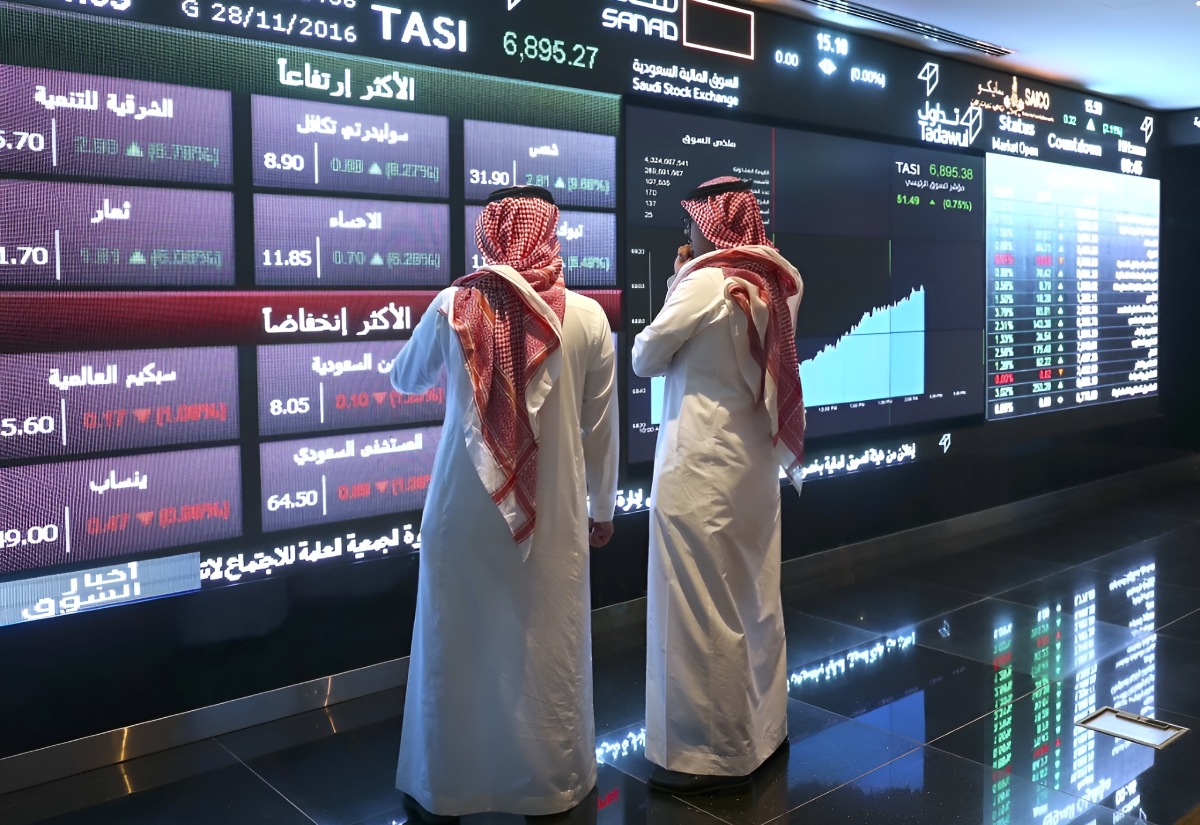

The Saudi IPO had its slowest issuance for eight years this week, as wartime sentiment clouds investor confidence yet timing than fundamentals have more to do with the slowdown.
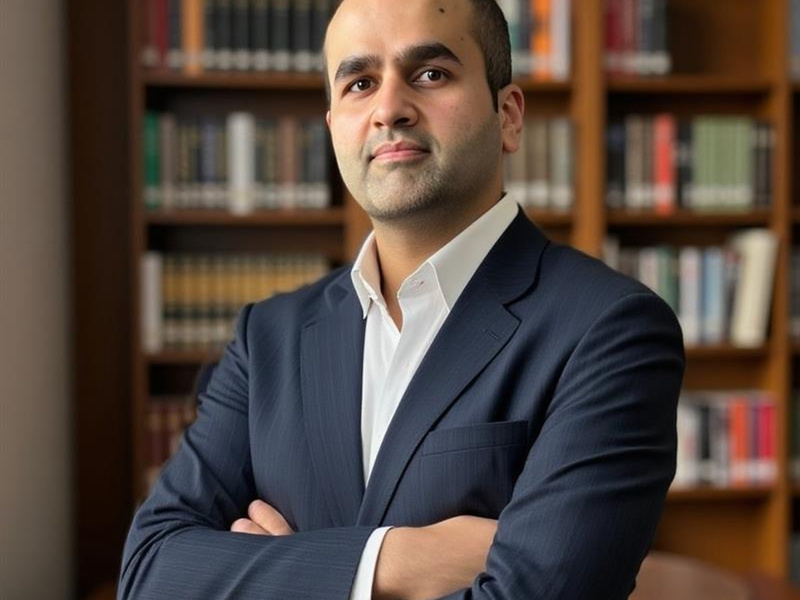
I spoke to Imad Al-Abdulqader, Saudi Partner at Albright Stonebridge Group on the slowdown, and how this compares with the broader GCC.
IPO Slowdown
This crisis is not only a regional security event, but a global economic shock according to Al-Abdulqader.
In fact, the number of IPOs issued in Q1 is down 23% YoY compared to Q1 of 2025 in parallel to GCC IPO issuance (EY).
In KSA, this number is considerably down on 2025 issuance as just a single company, quarrying and construction materials firm Saleh Abdulaziz Al Rashed & Sons, listed on the main market in Q1 this year following after raising $67M through an IPO.
“The partial closure of Hormuz and ongoing war affects energy, transport and logistics, supply chains, and food and agricultural prices, because disruption around Hormuz and potentially Bab el-Mandab feeds directly into fuel costs, freight rates, insurance, delivery times, and input prices globally, not to mention investor risk premium globally,” said the Saudi partner.
Firms are therefore holding off going public as cost inputs are driving prices up and in turn slashing corporate profits.
Timing than Confidence
“This is more of a timing issue than a confidence issue in the Saudi IPO market,” said the Saudi partner.
The crisis has widened the geopolitical risk premium and made pricing windows more difficult globally, so some delay is normal.
Saudi still has a healthy pipeline and underlying appetite remains intact and the market is naturally being selective on timing.
Caution All Round or Sector-Specific
The higher geopolitical risk premium touches all sectors, but not equally.
“The real differentiator is each sector’s exposure to energy costs, transport and logistics disruption, supply-chain dependence, and food and input-price pressure,” says Al-Abdulqader.
It is more about differential sensitivity. Saudi Arabia’s non-oil PMI was still 56.1 in February, which suggests continued expansion even as risk sentiment worsens.
GCC Comparison
Saudi Arabia is in a different position from others in the region.
“It has stronger momentum in its reform and diversification story, deeper and broader capital markets, a much larger domestic consumer base, and crucially access to the Red Sea,” said the partner.
“That combination gives it more resilience and more strategic optionality than many regional markets, even in a tougher quarter,” said the partner.
Selective maritime access and access to alternative export routes beyond the Strait of Hormuz give KSA and Oman economic advantages during the Iran war.
Future of Yanbu & Hormuz
Yanbu has been extremely valuable in supporting KSA.
Reuters reported exports there at about 4.6M bpd, close to the port’s roughly 5M bpd capacity, as flows were rerouted away from Hormuz.
The key point is that the East-West pipeline has done its job. “If disruption in Hormuz becomes prolonged, there may be a case for relatively modest extra investment in the port’s export capacity, because the pipeline already exceeds the current terminal bottleneck,” said Al-Abdulqader.
Houthi Disruption in Bab el-Mandab
Houthi disruption in another maritime choke point is a possibility.
According to Al-Abdulqader, this would add another layer of complexity, but it is not insurmountable if it occurs.
The world has dealt with disruption in Bab el-Mandab before and shipping companies have already adapted to that risk through rerouting, higher insurance costs, revised schedules, and more selective use of the corridor. In fact, many carriers have already been avoiding the route.
The real issue is less whether trade stops altogether, and more that costs rise, transit times lengthen, and pressure on supply chains increases.
For Saudi Arabia, that would have some effect on the Red Sea workaround, but it would not block it. Major carriers, including Maersk, have already paused or rerouted sailings away from the Bab el-Mandab and Suez routes because of the security situation.
The bottom line is that this crisis is global. Saudi is not insulated from it, but it is better positioned than many others in the region. In the short term, delays and repricing are normal.
In the medium term, despite the short-term uncertainty, investors are likely to focus on the structural strengths: market depth, reform momentum, resilience, and strategic optionality.
Stay Up to Date with the Latest Updates at Finance ME
botim Head of Business: AI is Making Remittances More Human
Post-War Realities: Why Saudi Arabia Will Accelerate Localisation
Presight Director: AI is Becoming Core Financial Infrastructure