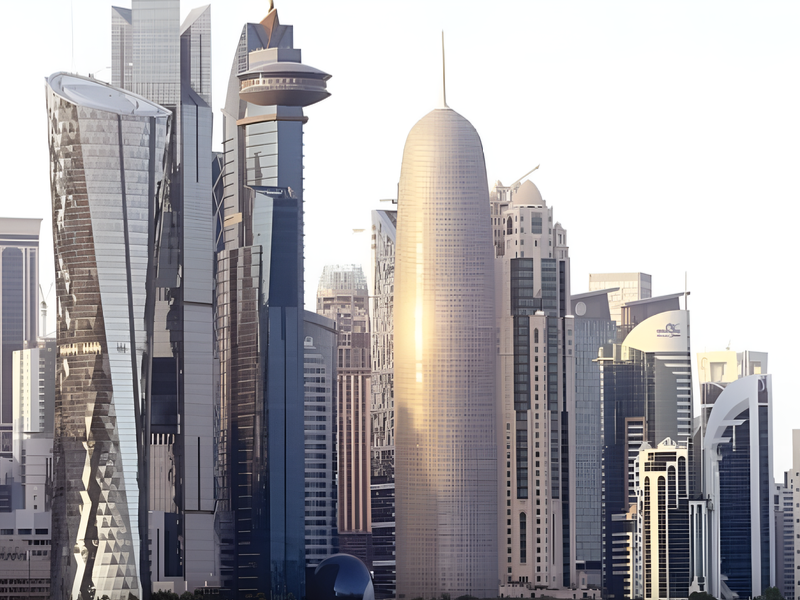
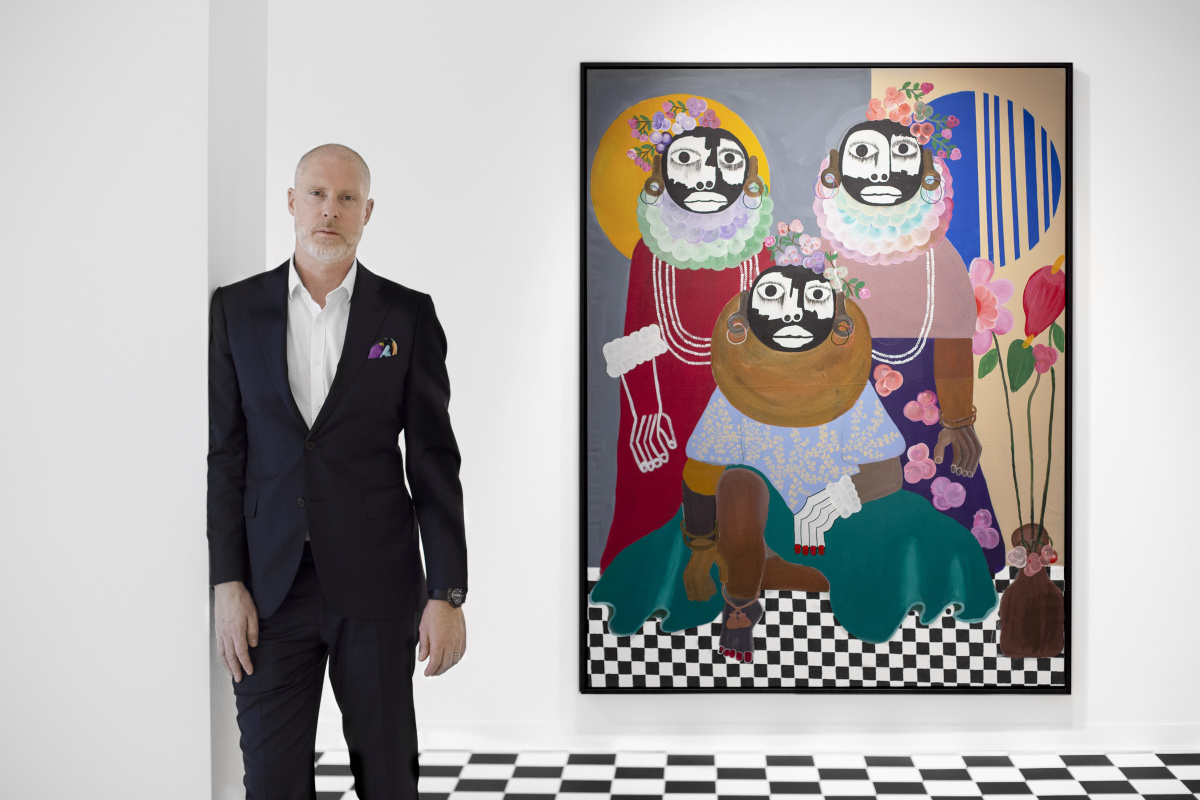
Dubai is emerging as a global nexus for creative capital as the UAE positions itself within the international art market ahead of Art Dubai this month.
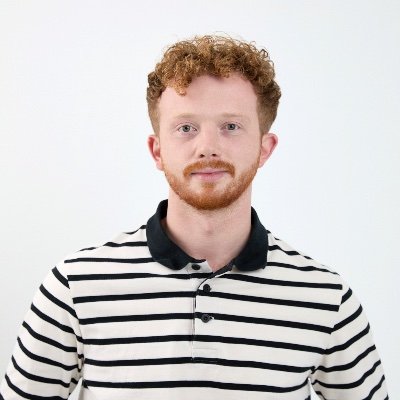
I spoke to Jean-David Malat, the Founder of JD Malat Gallery, ahead of a scaled-down Art Dubai this month.
How is Dubai Positioning Itself in the Art Market?
I don’t think Dubai is trying to become the next London or New York, and that’s actually its strength.
London and New York have long-established ecosystems, shaped over decades through institutions, galleries and a deep secondary market. Dubai by contrast, is building its own model, one that is faster, more globally connected in a different way and uniquely positioned between Europe, Asia and Africa.
What is happening in the UAE is very interesting because you have capital, you have vision, and you have a real desire to build cultural infrastructure, museums, foundations, art fairs, private collections. Many of the collectors here are first-generation collectors, which means they are building collections with passion and long-term vision, not just tradition.
I see Dubai becoming one of the key global centres, not replacing London or New York, but standing alongside them as a new pillar in the international art market.
Advising UHNWIs on Portfolio Allocation
I always tell collectors that art is not a spreadsheet investment.
If someone buys art only for financial return, they will often make the wrong decisions. Art should be part of a broader wealth strategy, but it’s also about passion, legacy, and living with important works.
For most UHNWIs, art sits in the alternatives portion of the portfolio. It can be a strong diversifier because it doesn’t move in the same way as public markets, but it is illiquid and requires expertise. My advice is always the same: buy quality, buy rarity, buy artists with institutional recognition, and buy works you would be happy to live with for 10 or 20 years.
If you do that, you are combining emotional return with financial discipline and that is usually where the best collections are built.
Gulf-based Family Offices, the Contemporary Art Market
They are becoming very influential, and often in a very intelligent way.
What is interesting with many Gulf family offices is that they are not just buying for decoration or speculation, they are building collections, supporting artists, creating foundations, lending to museums. That has a real impact on the market.
When a serious family office starts supporting an artist, lending works to institutions, and building a collection around a certain theme or region, it can really help shape an artist’s international career. Their influence is not just on pricing, but on visibility, reputation, and long-term market confidence.
I think their role in the global art market will continue to grow significantly over the next decade.
Art as a Store of Value or a Discretionary Luxury
It depends on the level of the market.
At the very high end, museum-quality works, historically important artists, art can behave more like a store of value. But the mid-market and lower segments behave much more like discretionary spending and are more sensitive to confidence and liquidity.
What I notice during uncertain periods is that collectors don’t necessarily stop buying, but they become much more selective. They buy fewer works, but better works. There is a flight to quality.
Strong provenance, major exhibitions, important periods in an artist’s career, these things become even more important when the world feels uncertain.
Art Investment Strategies with Risk & Volatility
Investments are becoming more structured and more professional in the way they approach collecting.
Many family offices now have collection strategies, advisory boards, and long-term plans for their collections, not just what to buy, but why they are buying it and what the collection should represent in twenty years.
Art is increasingly seen not only as an investment, but as part of legacy planning, philanthropy, and cultural positioning. In the Gulf especially, collections are often built with a generational vision, something that will exist long after the current generation. That changes the way people buy.
They become more patient, more selective, and more focused on quality and significance.
Opportunistic Buying During Crises
Yes, but not in the same way as in public markets.
The art market is very relationship-driven and very private. During difficult periods, some sellers become more flexible, especially in private sales, and experienced collectors know that this is the moment to look carefully and negotiate well.
Yet prices don’t collapse overnight like in stock markets. The art market moves slowly. Opportunities exist, but they are usually discreet and happen through relationships and private channels rather than dramatic public discounts.
Key Risks for Investors
The biggest one is liquidity.
You cannot sell a painting as quickly as you can sell a stock. It can take months or years to sell a work properly, and selling in a hurry is usually when people lose money.
The second risk is quality. Not all works by the same artist have the same value, the year, the size, the subject, the exhibition history, the provenance, everything matters. Art is not a uniform asset class. Expertise and advice are extremely important.
And then there are the practical costs people forget, insurance, shipping, storage, conservation. These are real costs that must be considered if you are looking at art from a financial perspective.
Structural Changes Across Art, Finance, and Technology
I think technology will improve transparency in the art market, especially around provenance, authenticity, and collection management. That is very important for confidence and for the financialisation of the art market.
Tokenisation and fractional ownership are interesting ideas, especially for very high-value works yet the art market is still built on trust, expertise, and emotion. People don’t only buy art to own a percentage of a painting, they buy art because they want to live with it, lend it, build a collection, build a legacy.
So I think technology will support the art market, not replace its human side. The future will be a combination of art, finance, and technology, but always with connoisseurship and relationships at the centre.
Stay Up to Date with the Latest Updates at Finance ME
EDGE’s Rodrigo Torres on Risk, Sovereignty and Defence Finance in a Multipolar World