Dubai has recently set a series of real estate market records, with both the volume and value of sales transactions hitting new highs in 2023. In September, average prices surpassed the previous peak set in September 2014, and this upward trajectory persisted through the final quarter despite a dip in off-plan transactions.
A combination of rising rents and a desire for long-term stability has motivated tenants to transition into buyers despite higher interest rates. Betterhomes noted a substantial shift toward domestic demand, with buyers identifying as end users increasing from 38% to 44%.
The growing end-user demand in Dubai’s real estate market reflects a thriving economy, attracting diverse investors and encouraging stable, long-term investments for a healthier market. It also promotes infrastructure development, elevating Dubai’s profile as a major global business hub and tourist destination.
Furthermore, this surge is indicative of a higher standard of living, making Dubai more desirable for residents and offering strategic opportunities for stakeholders to align with shifting real estate market preferences. This movement towards end user home ownership is a great sign of the maturing nature of the market.
“Prospective buyers can expect relief from rising interest rates with a decrease expected by mid-year”
At Betterhomes, Indian and UK buyers dominated transactions followed by Russians. There was also an increase in buyers from Egypt, Lebanon, Pakistan, and Turkey, reinforcing Dubai’s global stability appeal.
Looking forward to 2024, several key predictions emerge. With the population increase surpassing 100,000 in 2023, I anticipate continued population growth driven by the appeal of Dubai and Abu Dhabi for high-net-worth individuals and businesses globally. This rapid population growth has cemented Dubai as the destination for global citizens, drawn by the promise of a safe haven, unparalleled lifestyle, and a favourable business and tax environment.
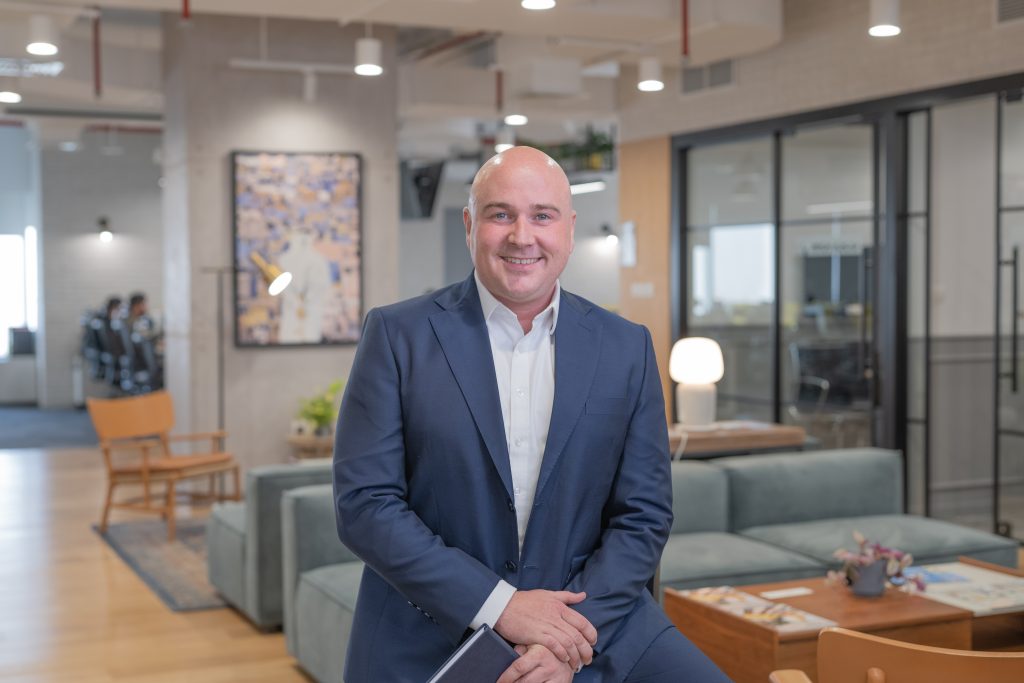
Secondly, I believe prospective buyers can expect relief from rising interest rates, with a decrease expected by mid-year—a development that will be welcomed by investors and homeowners alike. While, sellers may face increased competition as the market sees a surge in new properties. Additionally, homeownership among expats is increasing year on year, which is fantastic for population stability and the long-term maturity of the market.
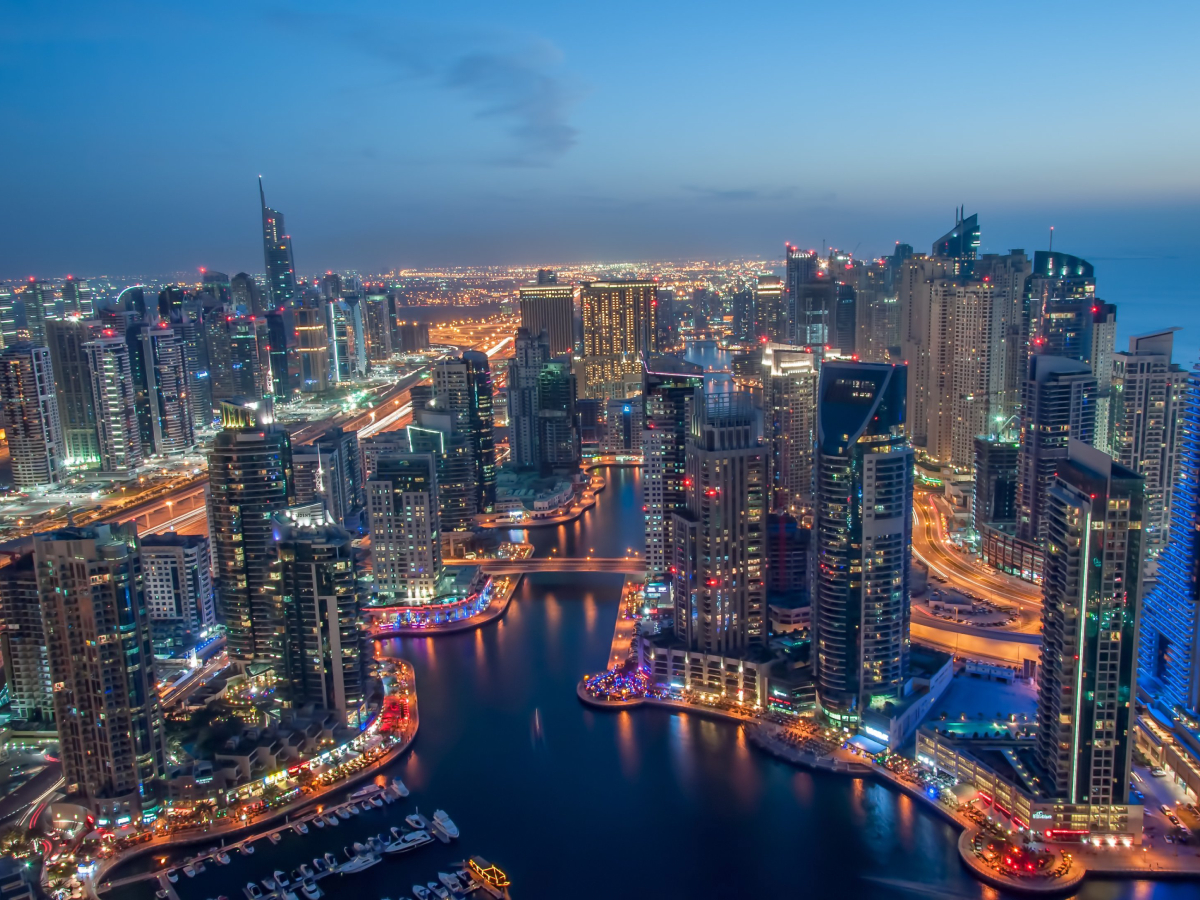
In 2023, there was a remarkable 44% increase in interest from end-users for apartments, nearly doubling the demand compared to the previous year. Key communities driving apartment demand include Dubai Marina, JLT, and JVC. With an estimated 45,000 to 50,000 new homes set to be delivered, strategic pricing and positioning will be crucial for sellers navigating this competitive landscape.
In line with this increase in supply, in my opinion I believe tenants may find some relief from high rental prices, with modest declines in the latter half of the year. While not a dramatic change, it signals a potential shift in favour of renters—a trend worth monitoring in the coming months.
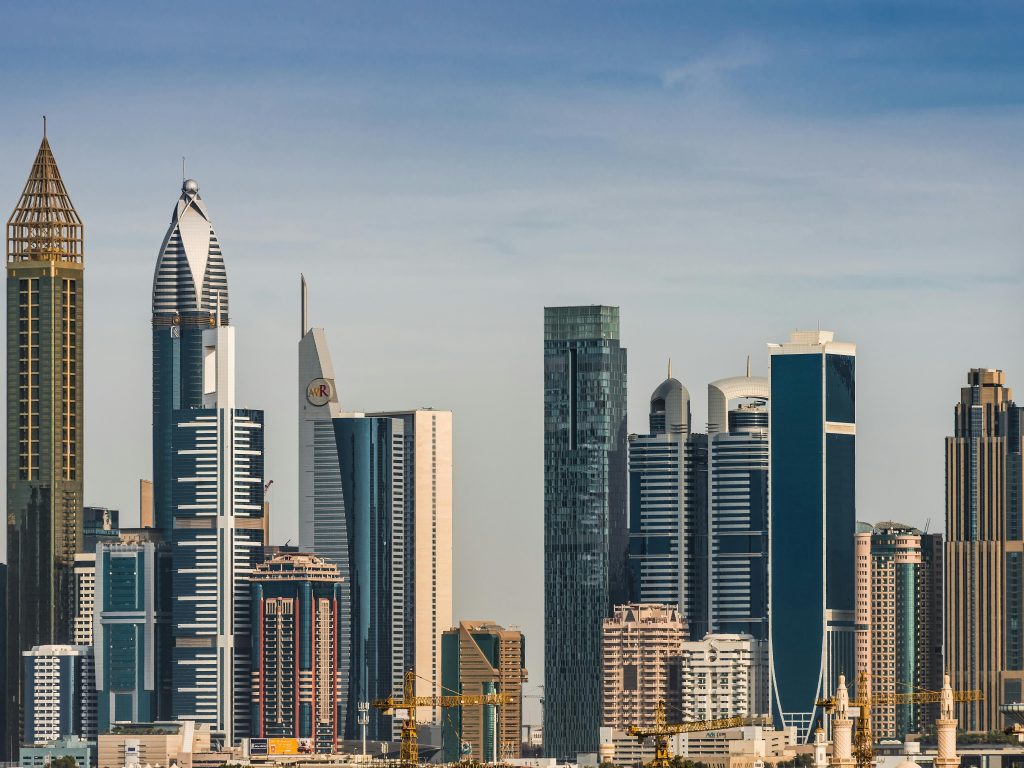
Lastly, the question remains: will Dubai continue its trend of record-breaking transactions? I believe that as the city continues to develop and diversify, fueled by population growth and economic activity, the outlook remains positive.
With the recent removal of the Dh1 million down payment required to qualify for the golden visa, Dubai’s property market is expected to receive a significant boost and continue to attract investors both locally and internationally. I anticipate a natural inclination towards increased transactions, with projections hovering around 100,000 to 110,000 transactions.
In conclusion, whilst 2023 presented its share of surprises and challenges, it also provided valuable insights for the year ahead. I expect a slowdown in the rapid price increases observed since 2019, foreseeing continued growth at more sustainable levels, reflecting the evolution and maturity of Dubai’s real estate market.