Through strategically diversifying its economic portfolio, Saudi Arabia is ensuring long-term sustainability. The non-oil economic activity in Saudi recently accounted for 50% of the country’s real GDP in 2023, the highest ever in the Kingdom. The overall economy has been projected to grow 2.7% this year and 5.5% in 2025, and this is largely a result of the efforts made in the tourism sector and in attracting international businesses to establish in the Kingdom. These non-oil sectors have emerged as focal points for investments into KSA, as they offer lucrative opportunities in a dynamic market and have added incentives from the Saudi government.
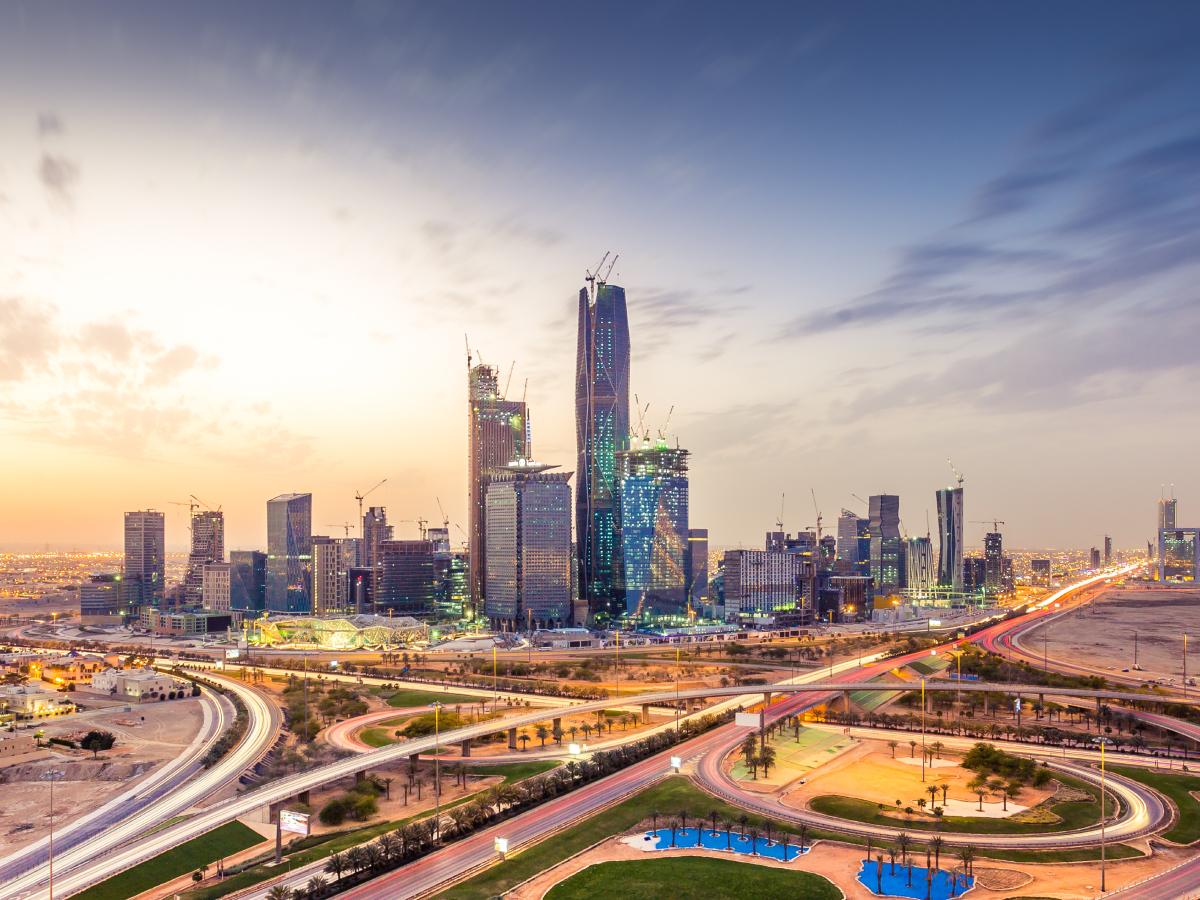
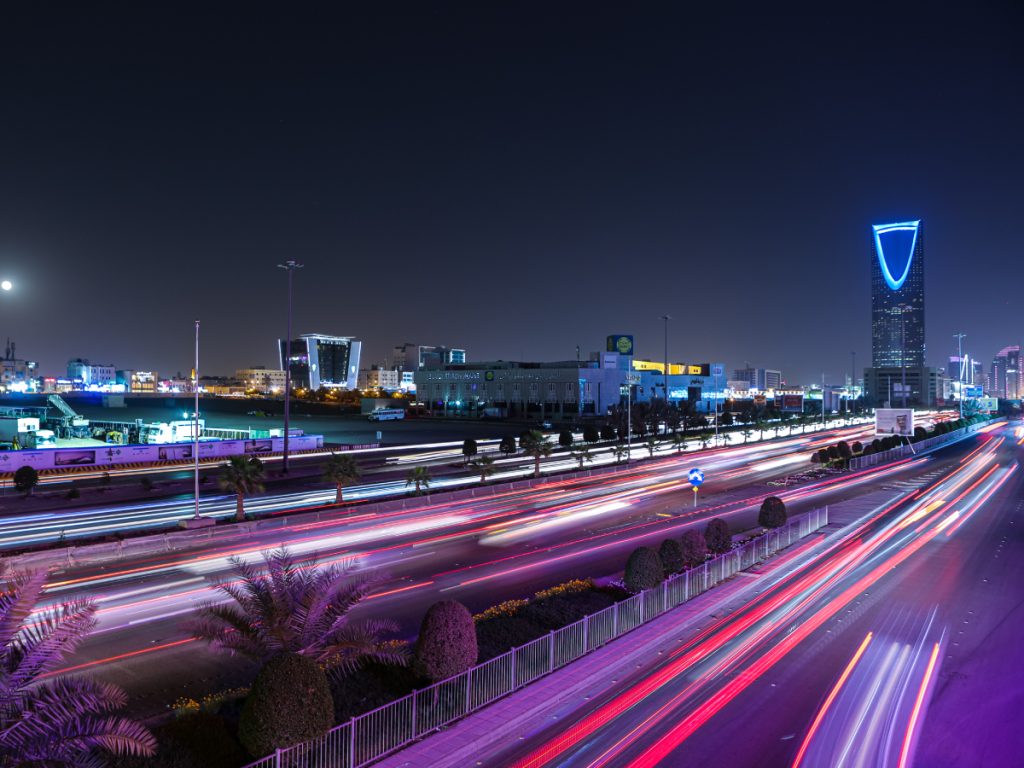
In the tourism sector, KSA has been catalysing great economic growth through its mega-projects in the hospitality and entertainment industry. Most recently, Saudi Arabia received confirmation of a successful bid to host the Expo 2030, which will undoubtedly provide an economic boost for the Kingdom that will extend beyond the event itself. The World Expo 2030, to be held in Riyadh, is expected to attract substantial investment, encourage innovation, and enhance global partnerships. Enabling Saudi Arabia with a platform to showcase its cultural, economic, and technological potential to millions of visitors.
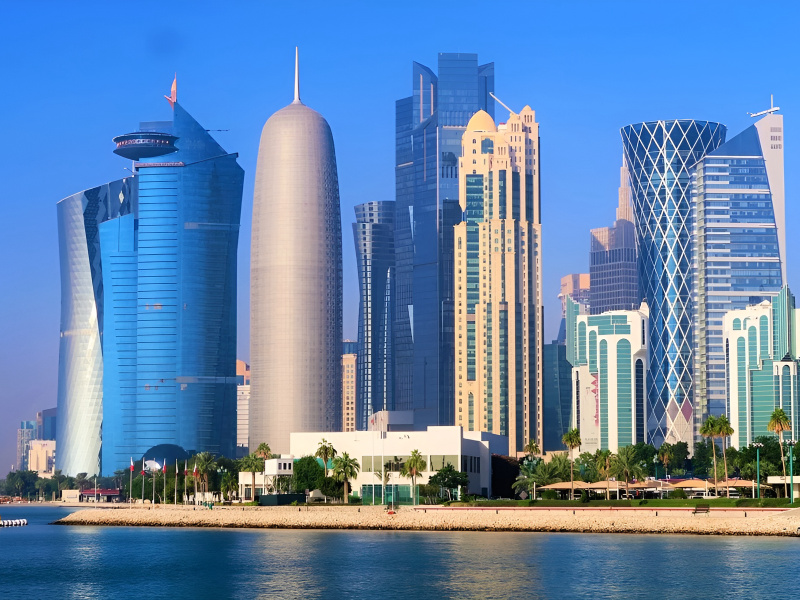
An additional event that is set to further KSAs economic growth is another successful bid to host the 2034 FIFA World Cup. As demonstrated recently by Qatar, this internationally anticipated event promises to encourage tourism and further economic expansion. Hosting these events underscores Saudi Arabia’s commitment to developing its tourism infrastructure and attracting visitors from around the globe. Other sectors, such as hospitality, transportation, and retail, will likely experience growth and benefit from these events. The attraction from these events may also be expected to encourage tourism into the surrounding region.
Initiatives such as the Regional Headquarters (RHQ) programme, as part of the Vision 2030 agenda, are similarly attracting multinational corporations to establish their businesses in KSA. The RHQ programme encourages domestic economic expansion and business operations for the respective engaging companies in the GCC region. The RHQ programme in KSA has been incentivising these multinational corporations by offering various incentives and benefits should they commit to establishing their RHQ in the Kingdom.
Companies establishing an RHQ in KSA can benefit from tax reliefs, such as a 30-year tax exemption and the eligibility for government contracts, whereas those who don’t commit may miss out. Saudi Arabia has also recently relaxed the restrictions on foreign ownership by expanding the business activities permitted to be 100% foreign-owned in certain sectors. Establishing these businesses as an RHQ in the Kingdom is stimulating economic activity and job creation in the region.

These strategic initiatives in Saudi Arabia aim to diversify the economy and attract FDI into non-oil sectors. The effects on the Kingdom’s economy are evidence that these efforts are succeeding, with investment into tourism, events, and the RHQ programme yielding positive growth since their inception. Expanding business operations into Saudi Arabia and the GCC region presents entrepreneurs, investors, and corporations with lucrative opportunities. Companies can expect to capitalise on mutually beneficial growth by assessing and engaging with this dynamic market and contributing to its economic development trajectory. Saudi Arabia is quickly becoming a global financial hub as it establishes itself as the culmination of culture and business.