
The wider Gulf region is currently witnessing the expansion of private capital as an alternative cluster of assets – private equity, private credit, venture capital, real estate, and infrastructure funds – take flight like never before. For example, venture capital funding in KSA has grown ~15x from 2018 to ~US$6.1bn in 2023.
One obvious reason is the region’s strong financial health, but there is also a concerted and coordinated effort on the part of regional governments to invest more locally through the strategic use of well-regulated, private capital funds. On the other hand, several additional investment vehicles have been established with the objective to deploy capital sharply.
Private (and public) capital play an outsized role in investment by providing funds from individual investors, institutions, and private equity firms, and is essential for financing businesses, startups, and projects that may lack access to public markets.
Remarkably, the situation in the GCC is significantly different to the situation in Europe, the US and Asia, which have experienced downturns driven by high costs of capital and inflation. And there are a number of reasons why.
- Private capital in the GCC and the wider Middle East is shaped by a different rationale and structure from other regions. The GCC economies are driven much more fundamentally by the consistent implementation of the long-term visions of the governments, which include initiatives such as infrastructure spending and smart government. This view is reflected by the number of deals we see, and the strength of the economy, which is on par with the previous year – despite the interest rate hikes referred to earlier.
- The type of investors in the GCC differ from other developed markets, and they have a clear mandate from central governments. In Europe and the US, the primary private capital investors tend to be organised private equity institutional investors, while in this part of the world, private capital tends to be led by family offices and sovereign wealth funds, guided by government agendas.
- Governments and sovereign wealth funds are keen to tap the latent and often untapped value of assets such as public utilities and previously state-owned enterprises which represent attractive investment opportunities for private capital. Demand for these assets naturally causes more deal flow but also represents an opportunity for private capital to enter other types of business. In recent years, private capital has entered state-owned sectors including oil and gas, for example with Aramco Gas Pipelines Company’s sale and lease-back deal with BlackRock and Hassana Investment Company.
- There were plenty of IPOs in the last couple of years, including Dubai Water and Electricity Authority (DEWA) in 2022, and ADES Holding Company, Pure Health, and ADNOC Logistics and Services in 2023. IPOs in the GCC raised a total of US$10.1 billion through 45 offerings in 2023 and we expect to see more in 2024. If anything, the main challenge with the IPOs was an excess of demand in KSA, UAE and Kuwait – a situation many other markets would dream about. Investment in these IPOs was mainly from GCC investors, with the addition of some international players – a trend that increased following the inclusion of local markets in the combined GCC index by Morgan Stanley Capital International (MSCI).
GCC economies, for example, Saudi Arabia and the UAE, are showing remarkable strength amid the tighter fiscal policy resulting from the persistent global inflation that followed the pandemic. Both countries have continued to grow at a clip, even with interest rates at a cyclical peak of 5.25% to 5.50% and geopolitical issues making news headlines daily.
From a macro perspective, the outlook for private capital in the GCC is positive: the population and GDP are growing, the governments’ visions are smart and well-implemented, and regulation is improving. In short, the economic fundamentals are positive, the GCC economies are on a strong trajectory for 2024, and continued support from governments towards their respective national visions will ensure long-term success.
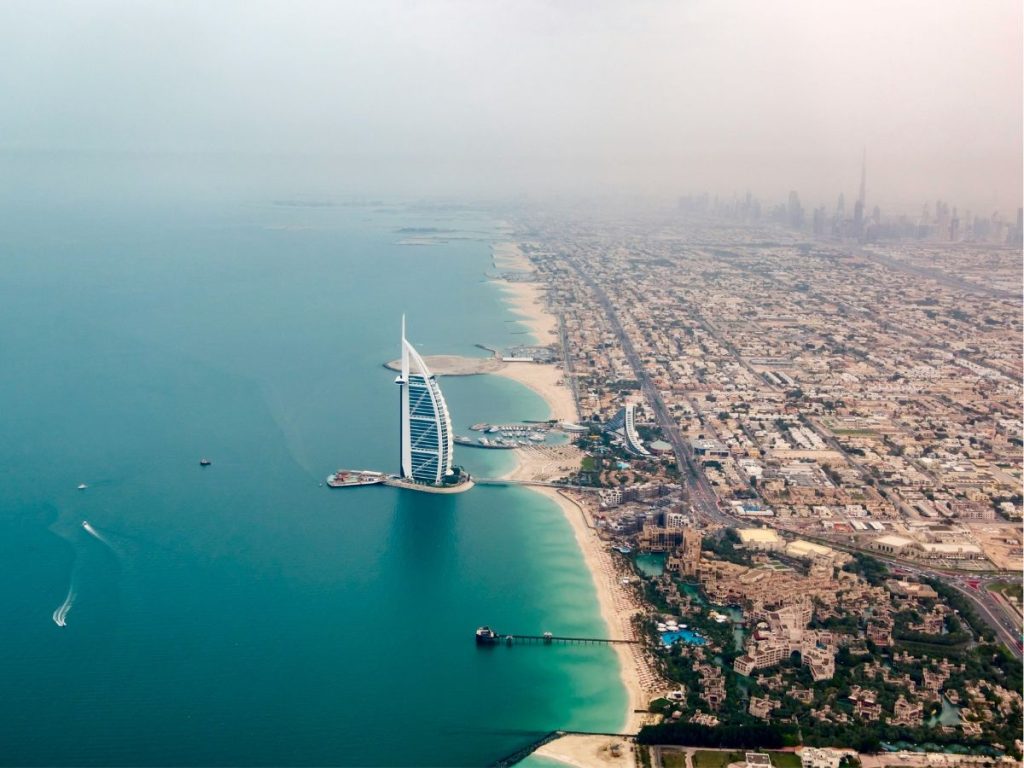
The strength of private capital in the GCC is matched by a healthy venture capital scene, which is good for technological innovation – a key development pillar for most GCC countries.
Saudi Arabia is making much progress in this regard and aims to become a regional leader, with a vibrant ecosystem of venture capital players, including Aramco Ventures, an arm of Aramco, and Neom Investment Fund. Qatar just recently announced to invest over $1 billion in accelerated venture capital funds, to help businesses access capital and support the development of the eco-system in Qatar. The UAE also continues to nurture venture capital with support from initiatives such as DIFC Innovation Hub in Dubai and Hub71 in Abu Dhabi, which bring together high-tech companies with investors.
Private capital investors in the region also benefit from a strong pipeline of early-stage companies to invest in, supported by a vibrant, experienced, and growing angel investor community. This is another key part of the investment ecosystem that is helping to drive entrepreneurship and develop disruptive startups that have the potential to become the heavyweights of tomorrow, delivering new services, driving employment, and supporting governments’ diversification plans.
Regulation around private capital is also improving, and regulators in the GCC are keen to support the creation of new platforms to support various aspects of investment, including cross-border banking, digital assets, and wealth management. The regulators all want to simplify the flow of funds and create a more regulated environment, with particular attention to KYC, or ‘know your customer’, regulations and compliance requirements. There may be a way to go, but regulation in the region is moving in the right direction.