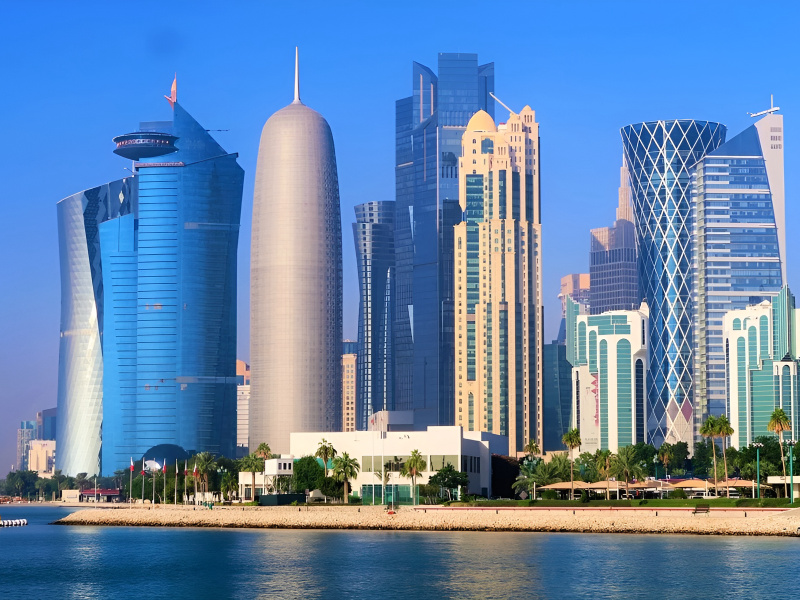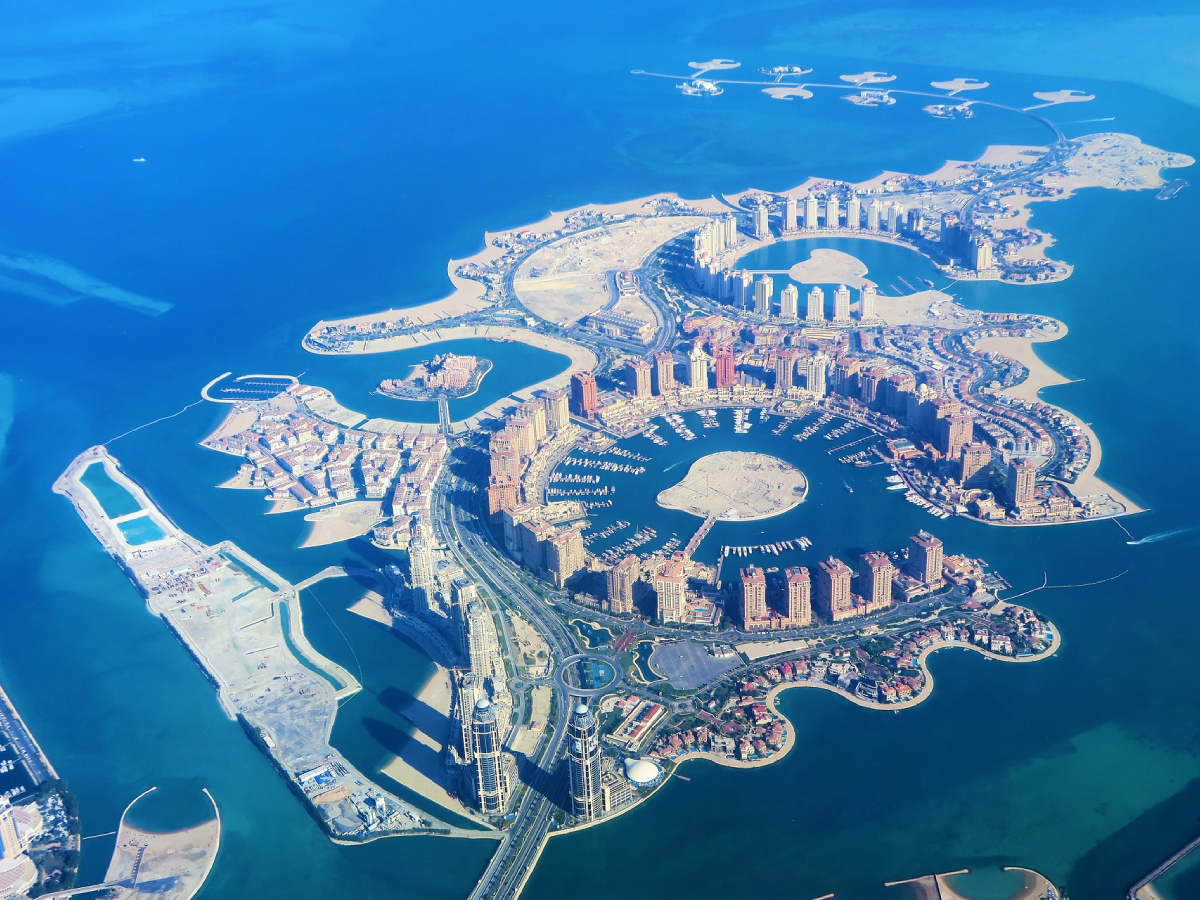
Qatar’s credit ratings have recently improved significantly. Two major US credit rating agencies, Moody’s Investors Service and Fitch Ratings Inc., issued the improved ratings.
The reclassification from Moody’s saw Qatar’s already high credit rating upgraded, for the first time since 2007, to ‘Aa2’, their third-highest investment grade. This was attributed, in part, to the strong global demand for the country’s liquified natural gasses and its potential for long-term prospects. This upgraded rating means that Qatar finds itself at the same level as other countries, such as the UAE, France and South Korea, and is a level above the UK.
Similarly, Fitch’s update raised Qatar’s Long-Term Foreign-Currency Issuer Default Rating (IDR) to ‘AA’. This rating review is supported by Qatar’s exceptionally high GDP per capita, substantial sovereign net foreign assets (SNFA), and flexible public finance structure.
For a credit rating to be up or downgraded, the changing of acting factors that affect the rating will be assessed, including the country’s internal finances, public finances and structural features. These reclassification upgrades result from general improvements across Qatar’s national and business ecosystems. The improvements across both credit rating agencies have risen from factors in Qatar such as economic forecasts and sustainable fiscal surpluses; substantial banking sector assets under management; Economic, Social and Governance (ESG) ranking; World Bank Governance Indicators (WBGI) ranking; normalised international relations, stability risks, corruption levels, institutional and regulatory quality, all of which lead to an overall greater confidence in Qatar.
Enhance business confidence
These upgrades underscore the country’s economic strengths and cement it as an attractive destination for investors and businesses. The broader implications of these updates and what they mean for those considering setting up in Qatar will include a number of significant impacts to be expected. With the economic diversification efforts in Qatar, there are increasing opportunities for entrepreneurial businesses in growing sectors such as finance, real estate, tourism and technology.
By building on strong economic fundamentals and infrastructure, these classification upgrades will enhance investor confidence in the country, creating a more stable investment environment with lower risks. The improved credit rating will enhance the financing terms within Qatar, potentially providing access to international financial markets on increasingly favourable terms and lowering borrowing costs for both the state and businesses. Combined with recently relaxed restrictions across several sectors and making licences more attractive through fee reductions, these factors will further encourage foreign-owned companies to enter the Qatari market.

These reclassifications are signifiers for businesses looking to establish themselves in Qatar that reassure their business decisions and financial planning. Qatar’s long-standing world-class infrastructure, including transportation networks, ports and telecommunications, strategic location and market potential, position the country as a significant hub for trade and commerce.
The recent credit rating reclassification upgrade of Qatar by Moody’s and Fitch reflects its strong current and forecasted economic standing. This presents an opportunity for businesses to invest in a stable, growing, and prosperous market by setting up in the region. A greater understanding of the local business environment, such as regulatory frameworks and global ranking systems, can assist companies setting up in Qatar and help them succeed and capitalise on the region’s economic potential.