


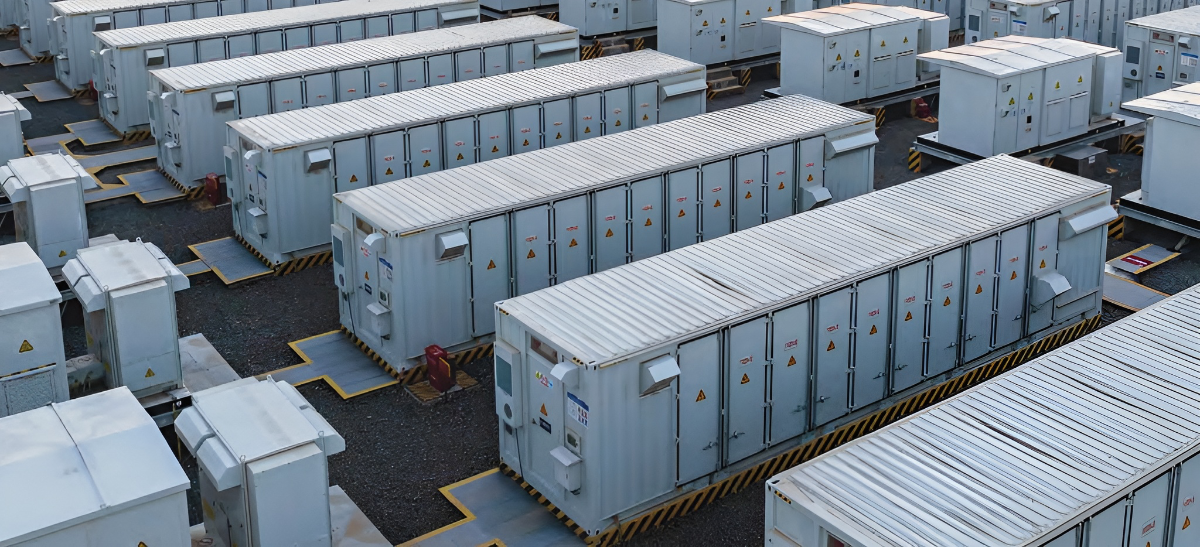
“Infrastructure has always been the quiet architect of prosperity—the foundation behind rising living standards, economic mobility, and societal progress.”
This long-standing role, however, is undergoing a profound transformation.
As the Infrastructure Outlook 2026 report makes clear, infrastructure is becoming central to global power, technological leadership, and economic resilience as the KKR releases its 2026 report off the back of the announced ceasefire in Iran.
From Economic Enabler to Strategic Necessity
KKR’s report released today emphasises that modern infrastructure extends far beyond traditional systems.
“Data centres, fibre optic networks, telecom towers, power generation capabilities, and more, are essential to national and economic security, as well as critical enablers of the future global economy.”
This shift is redefining how nations compete on the global stage.
“Nations are measuring competitiveness not just by GDP, but by gigawatts.”
Energy capacity, digital connectivity, and compute power are now fundamental indicators of national strength.
Three Structural Forces Reshaping Infrastructure
The transformation of infrastructure is being driven by three interconnected forces: geopolitics, technology, and economic change.
“The convergence of hyper-competitive geopolitics, technological transformation, and economic regime change has heightened the criticality of infrastructure.”
1. Geopolitics: Infrastructure on the Front Line
Globalisation has given way to strategic competition.
Governments are prioritising domestic resilience, supply chain security, and industrial policy.
Infrastructure is increasingly exposed to geopolitical tensions and even physical conflict. The recent Iran conflict, subject to a two week preliminary ceasefire today, has seen data centres, power plants, and airports damaged by missile and UAVs.
2. Technology: The Explosion of Digital Demand
Technological acceleration, especially AI, is dramatically increasing infrastructure needs two-fold: via energy production and construction.
“Put simply, ‘winning’ AI is a national economic and strategic priority of the highest order.”
This surge in demand is not abstract. It requires physical systems, data centres, energy grids, and connectivity networks, at unprecedented scale.
3. Economic Regime Change: A New Investment Reality
Higher inflation, rising interest rates, and elevated sovereign debt are reshaping global markets.
Traditional investment assumptions are weakening, increasing the importance of real, income-generating assets like infrastructure across capital markets.
$106T Investment Challenge
Meeting global infrastructure demand will require substantial capital financing and deployment.
“The capital involved is equally staggering—projected to require more than $106T by 2040: a sum beyond the capacity of governments or corporations to shoulder alone.”
This funding gap is redefining the role of private investors.
“Private capital, therefore, is no longer just complementary to the buildout. It is essential.”
Certainty as the New Competitive Advantage
As infrastructure projects grow more complex, particularly in digital infrastructure, the report highlights a critical shift in value creation.
“In this environment, the scarce product is not the shell… it is certainty: energised, connected capacity delivered on time.”
Delivering infrastructure now requires coordination across power, land, capital, and technology. The ability to integrate these elements efficiently has become a defining advantage.
Infrastructure as a Core Investment Strategy
Infrastructure is no longer just a diversification tool within portfolios.
“Infrastructure is no longer simply a portfolio diversifier… it will serve as a strategic core allocation.”
Its appeal lies in its combination of long-term cash flows, lower volatility, and exposure to structural growth trends such as digitalisation and electrification.
Building the Foundation of the Future Economy
The report concludes with a clear message: the future global economy will be built on physical infrastructure as much as digital innovation.
From energy systems to data networks, these assets will enable economic growth, technological progress, and national security.
In this new era, success will depend on the ability to navigate complexity, deploy capital with discipline, and deliver resilient infrastructure at scale.
Stay Up to Date with the Latest Updates at Finance ME
Hawala Meets Crypto: Dickon Johnstone on the GCC’s Next AML Test
EDGE’s Rodrigo Torres on Risk, Sovereignty and Defence Finance in a Multipolar World