Global crude oil benchmarks, Brent and West Texas Intermediate (WTI), surged in recent sessions, with Brent surpassing $79 per barrel and WTI crossing $74 per barrel.
These gains followed a prolonged seven-week slump in oil prices despite OPEC+’s commitment to production cuts. The rise in oil prices is attributed partly to expectations of a dovish Fed pivot signalled by Chairman Powell, hinting at potential rate cuts in 2024.
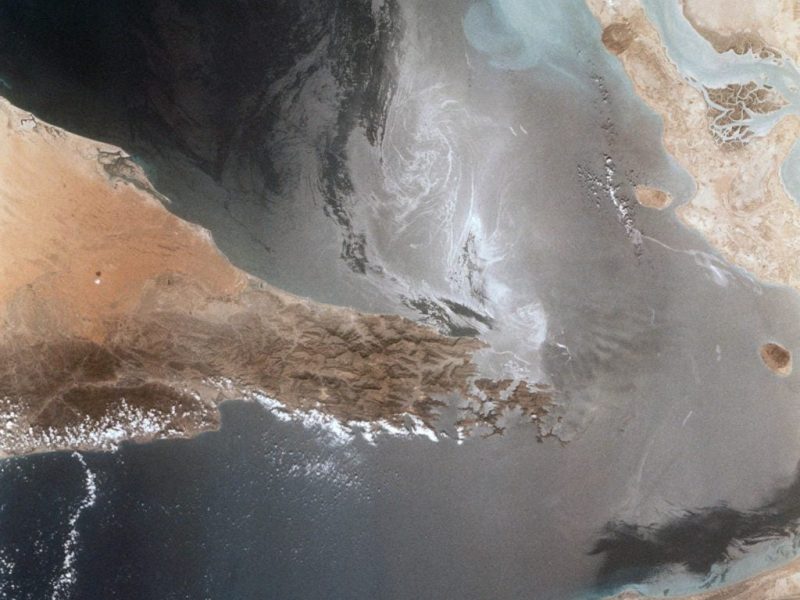
However, the primary reason for the recent surge is a series of attacks by Houthi rebels in Yemen targeting merchant vessels in the Red Sea, particularly near the strategic Bab el-Mandeb chokepoint. This area is a critical route for approximately 12% of the world’s oil, 8% of liquefied natural gas transported by sea, and over 20% of global container trade passing through the adjacent Suez Canal.
The attacks pose a significant risk of disrupting trade flows, compelling shipping firms, oil companies, and insurers to seek alternative routes, often involving longer voyages around Africa. These detours delay cargo deliveries by 7 to 10 days and incur an estimated additional cost of $1 million per voyage, potentially leading to inflationary pressures due to increased prices of goods and energy.
The rise in oil prices has led to a surge in Brent call volumes, while Brent’s put skew is the least bearish since early November. Additionally, cracks in gasoil, heating oil, and Nymex gasoline have strengthened significantly since late November and mid-September.
Efforts by the US to form a task force – Operation Prosperity Guarding – to protect vessels in the Red Sea from Houthi attacks are underway but may take several weeks to become fully operational, heightening the risk of further disruptions to trade flows. The Red Sea’s importance in global trade increased after Europe halted Russian oil shipments, amplifying its reliance on Middle Eastern oil cargoes, which escalated by 140% to 3.8 million barrels per day since the conflict in Ukraine began. Consequently, halting shipments through the Red Sea corridor significantly impacts global economies.