Singapore Gulf Bank (SGB) unveiled a new stablecoin minting and redemption service in a big win for Decentralised Finance as corporations support blockchain technology.
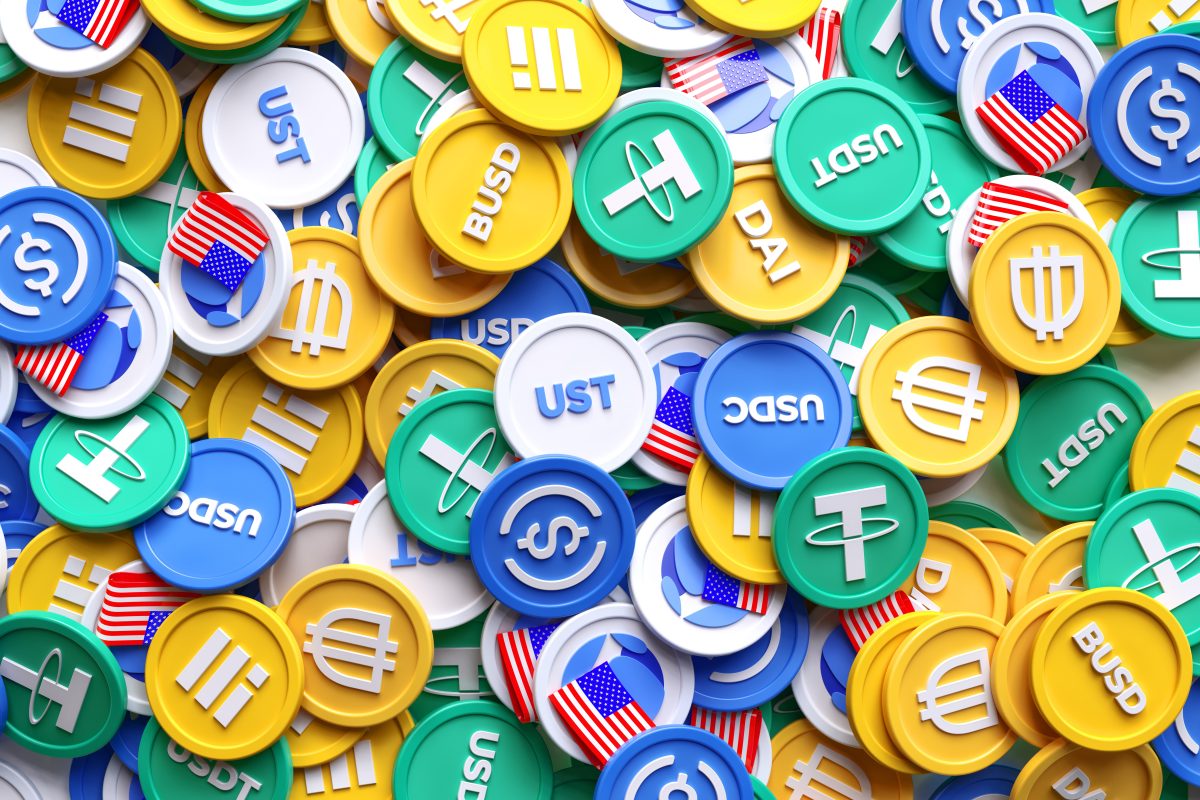
SGB launched a service that allows clients to convert money into stablecoins, like USDC and USDT, directly on the Solana blockchain without transaction or gas fees (Ethereum).
Blockchain Transformation
Blockchain is sweeping the banking sector as regulated stablecoin infrastructure gains traction globally.
Using blockchain technology cuts cross-border payment costs whilst accelerating transaction speeds. In turn, stablecoins are redefining the cost of transferring value amounts for institutions and investors.
SGB’s initial phase is a rollout for corporate clients, specifically treasury management and cross-border business payments, before consumers are gain access to the Solana.
Why Solana was Chosen for Minting?
Solana blockchain offers to reduce the threshold for transaction costs to under 0.3%, whilst offering avenues for financial settlement across APAC and the GCC.
Since entering the market, SGB has processed more than $7bn in transactions.
According to analysts, Solana is also seeing fast adoption due to the high processing speeds and accredited model mixing efficiency with security. Solana uses Proof of Service and Proof of History consensus algorithms to reduce waiting time whilst equally lowering transaction fees.
Security and Compliance
SGB has gone to extra lengths to secure client funds.
Fireblocks are being used to provide institutional-grade digital asset custody, using advanced cryptography. This move reflects a shift to decentralised finance.
GCC Edge on Wall Street
Yet stablecoin adoption is facing severe headwinds in developed markets on Wall Street and Europe.
Regulation is front and centre of the solution. Major banks continue to debate regulatory frameworks, with EU banks pursuing overregulation, whilst the UAE clear asset classes, stablecoin friendly regulation, and cross-border pilot initiatives are welcome.
The EU Central Bank has resisted crypto inflows from outside the EU-27 whilst the UK is yet to regulate crypto assets until October 2027.
The UAE’s early regulation of blockchain is supporting firms and investors with access to alternative modes of investment opening new ways of saving and new markets with it.
Market Shifts to Blockchain
Prediction markets are increasingly moving to blockchain.
Accurate forecasting relies on timely, reliable information, yet traditional markets often suffer from asymmetric information and delays caused by centralised verification.
Blockchain-enabled markets address this by decentralizing information verification and automating contract settlement through smart contracts and trusted oracles.
Participants make decisions based on collective data rather than central authority guidance, reducing reliance on central banks and eliminating verification lag times. This approach increases transparency, efficiency, and fairness, while opening access to new markets globally.
Transparent, Iterative Regulation: UAE’s Advantage
Unlike the U.S., where token classification is often uncertain, or the EU, where payment inflows are tightly regulated, the UAE provides upfront legal clarity.
By defining Virtual Assets, Security Tokens, and Stablecoins in advance, the UAE enables corporate investors to confidently issue and redeem tokens, including in real estate, reducing risk and accelerating adoption.
Defining asset categories in advance between, the following categories, guides better investment decisions and investor confidence in the market:
- Virtual Assets
- Security Tokens
- Stablecoins
Legal certainty encourages international corporates to issue and redeem tokens locally without legal ambiguity.
The UAE also regulates crypto payments – including real estate – whereas EU regulation constrains payment inflows from outside the bloc.
Stay Up to Date with FinanceME!
“Water Runs Down the Hill”: ADFW CEOs Predict Unstoppable Blockchain Shift
Inside the 2025 Wealth Shift: New Billionaires, New Power Shifts
Dar Global Announces MAD Investment in Oman’s Coastal Districts