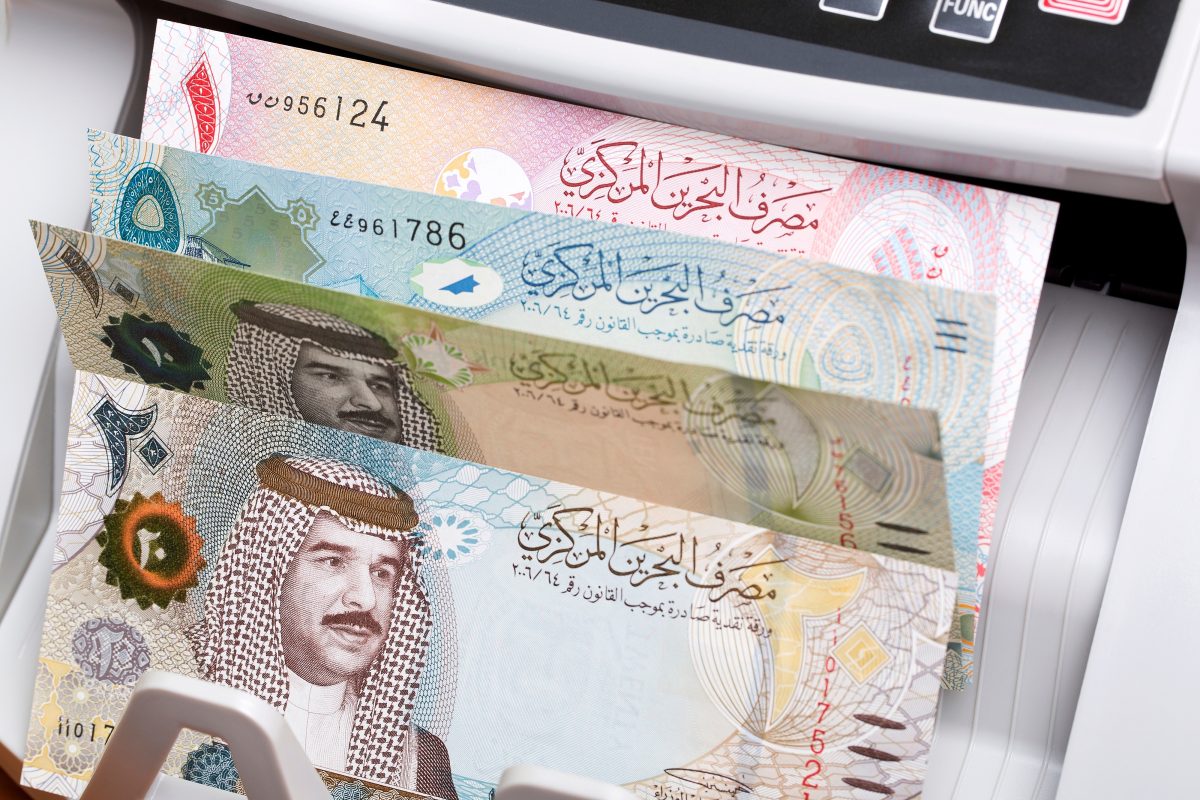
Bahrain unveiled a package of fiscal reforms aimed at boosting public finances amidst tough fiscal year for the Kingdom.
S&P Downgrades: Bahrain’s Debt
Last month, the S&P downgraded its long term foreign and local currency sovereign credit ratings on Bahrain to ‘B’ from ‘B+’. The move was the first downgrade since 2017 in what analysts saw as reflective of a deterioration in the fiscal position of the Kingdom amidst debt increases.
The agency forecasts a fiscal deficit of 7.6 per cent of GDP in 2025, up from an earlier estimate of 7.1 per cent.
According to Mahdi Ghuloom, Bahraini Junior Fellow (Geopolitics), at Observer Research Foundation Middle East: “Bahrain’s debt is under control, and the Kingdom has never failed to meet a debt commitment. That is positive, and it is worth noting that S&P’s downgrading came with an upgrade of the outlook.”
Last month, Ghuloom suggested that privatisation and taxation may be possible macroeconomic reforms in the medium-term.
Next Steps: Contractionary Fiscal Policy
Bahrain’s government have now hiked taxes whilst reducing expenditure.
The measures include higher fuel prices, increased electricity and water tariffs, a rise in natural gas prices for industrial users, and a 20 per cent reduction in government administrative spending.
In a major shift to its tax framework, Bahrain also announced plans to introduce a new corporate income tax targeting domestic companies, expanding its existing tax base. This follows the decision to impose a 15 per cent tax on large multinational firms from 2025.
The reforms form part of broader efforts to strengthen fiscal sustainability and advance key government priorities. However, authorities did not specify when the measures will come into force or provide detailed implementation timelines.
Fuel prices will be linked to a newly introduced monthly pricing mechanism, while taxes on carbonated beverages will be raised. Additional initiatives include higher dividend pay outs from state-owned enterprises and increased municipal fees on undeveloped investment land.
Despite these challenges, Bahrain continues to attract investor interest. The government has raised about $5 billion from global debt markets this year, supported by strong demand for its debt instruments, particularly sukuk.
Stay Up to Date with the Latest Updates at Finance ME!
Bahrain Achieves 10% Increase in 2025 World Bank GovTech Maturity Index
Bank of Palestine Gets Green Light From ADGM Abu Dhabi
Silah Gulf Launches IPO to Raise $7.7 Million, Targets Regional Expansion