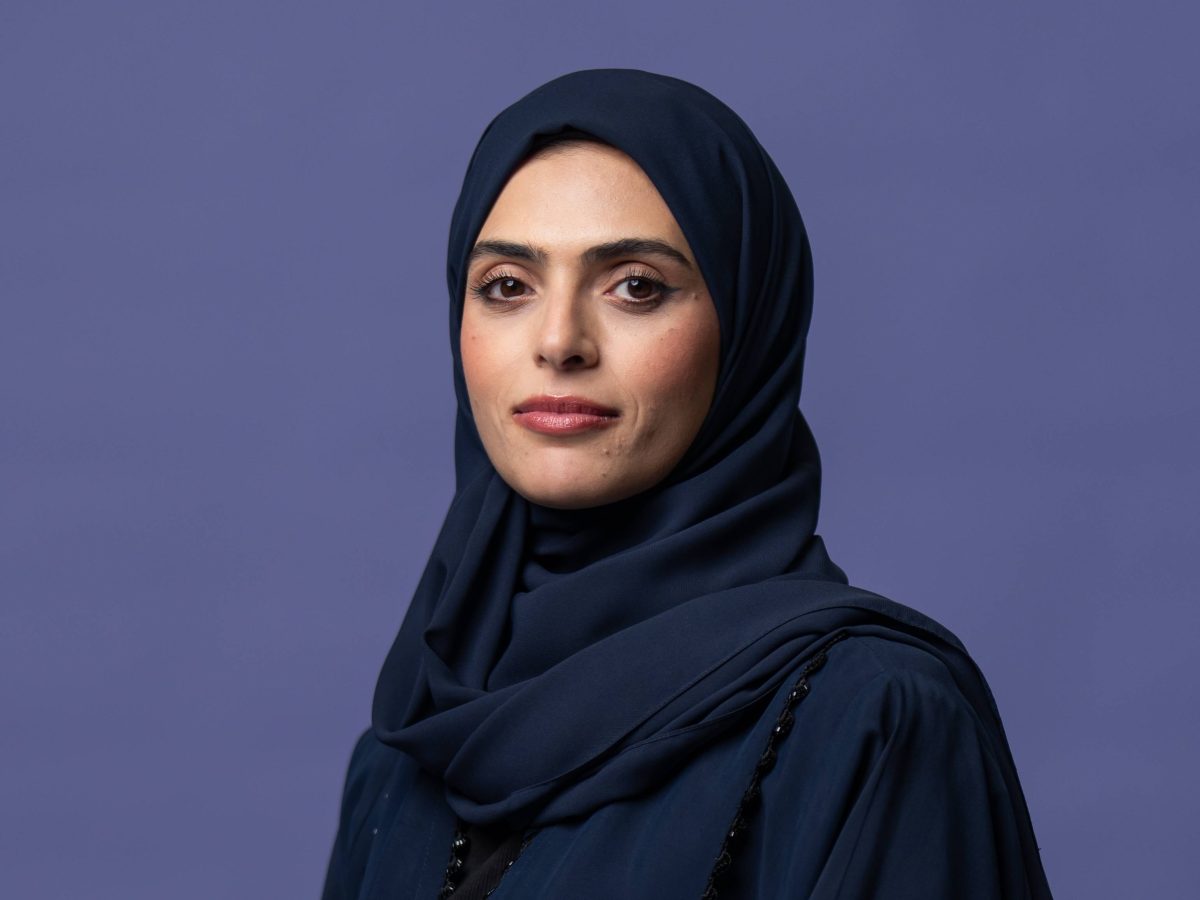
The UAE has long been recognised as a country that anticipates global economic shifts and positions itself accordingly. Once known primarily for its oil wealth, the UAE has successfully diversified its economic base, emerging as a regional and international hub for finance, technology and entrepreneurship. Today, it is forging ahead in shaping policies and frameworks to accommodate new financial technologies—ranging from blockchain and digital currencies to decentralised finance (DeFi) and artificial intelligence (AI)—all while maintaining a delicate balance between innovation, stability and inclusivity.
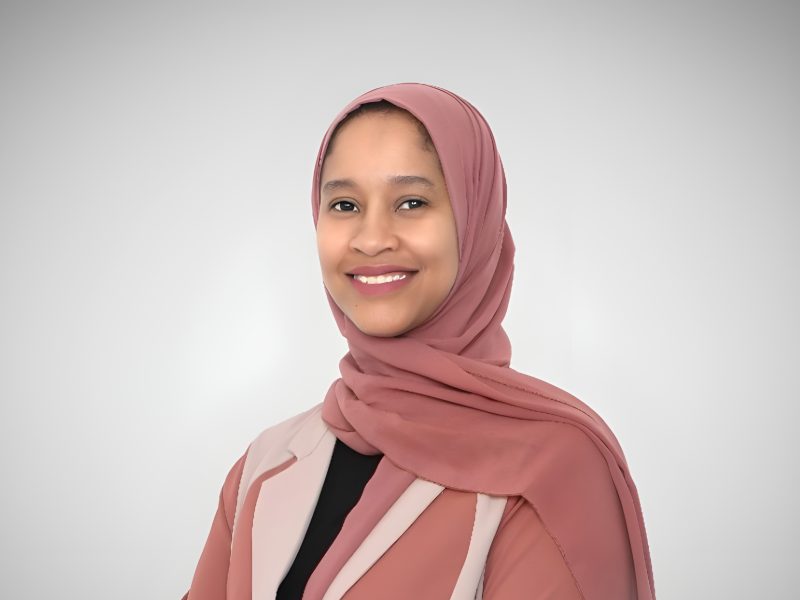
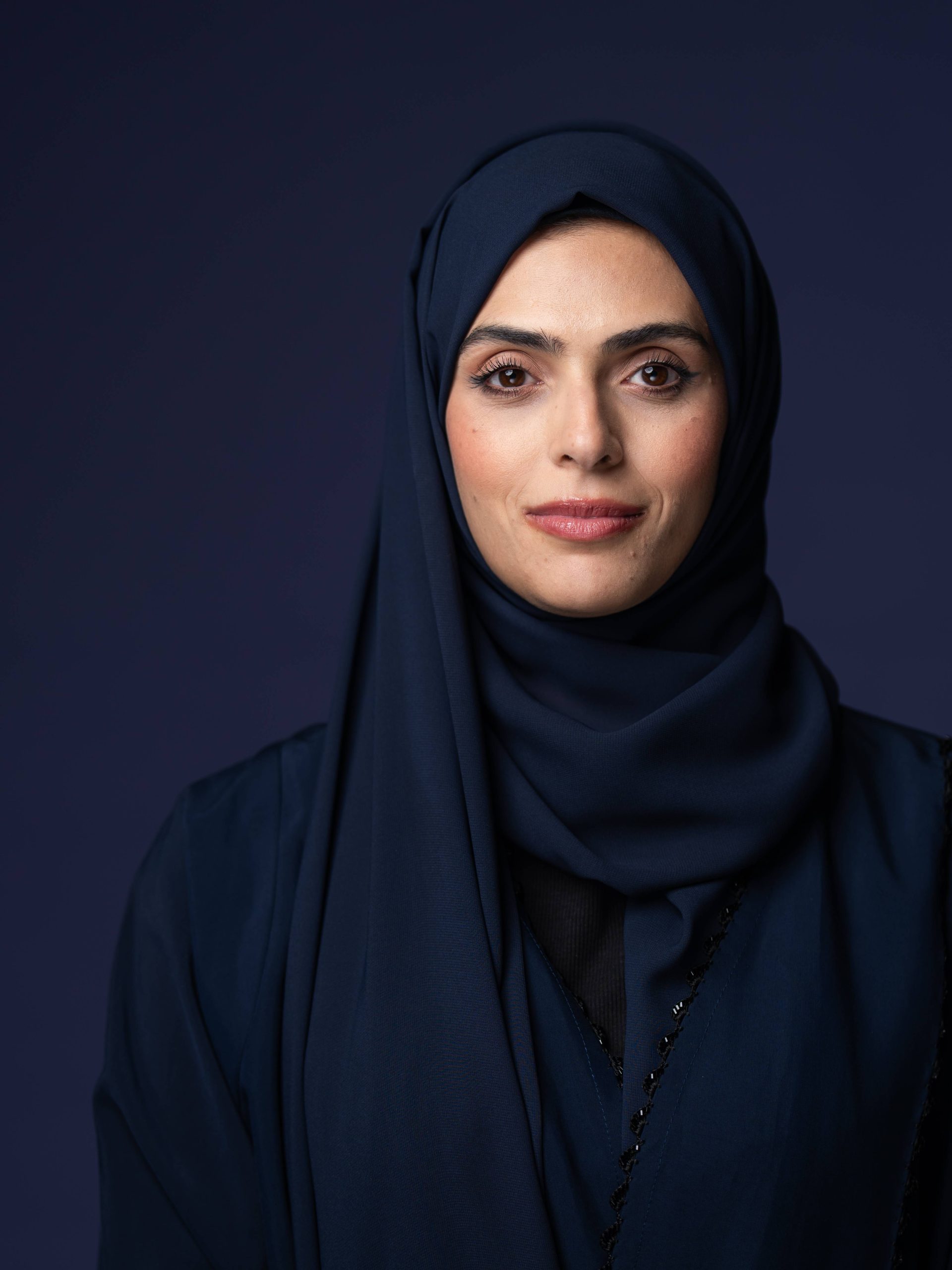
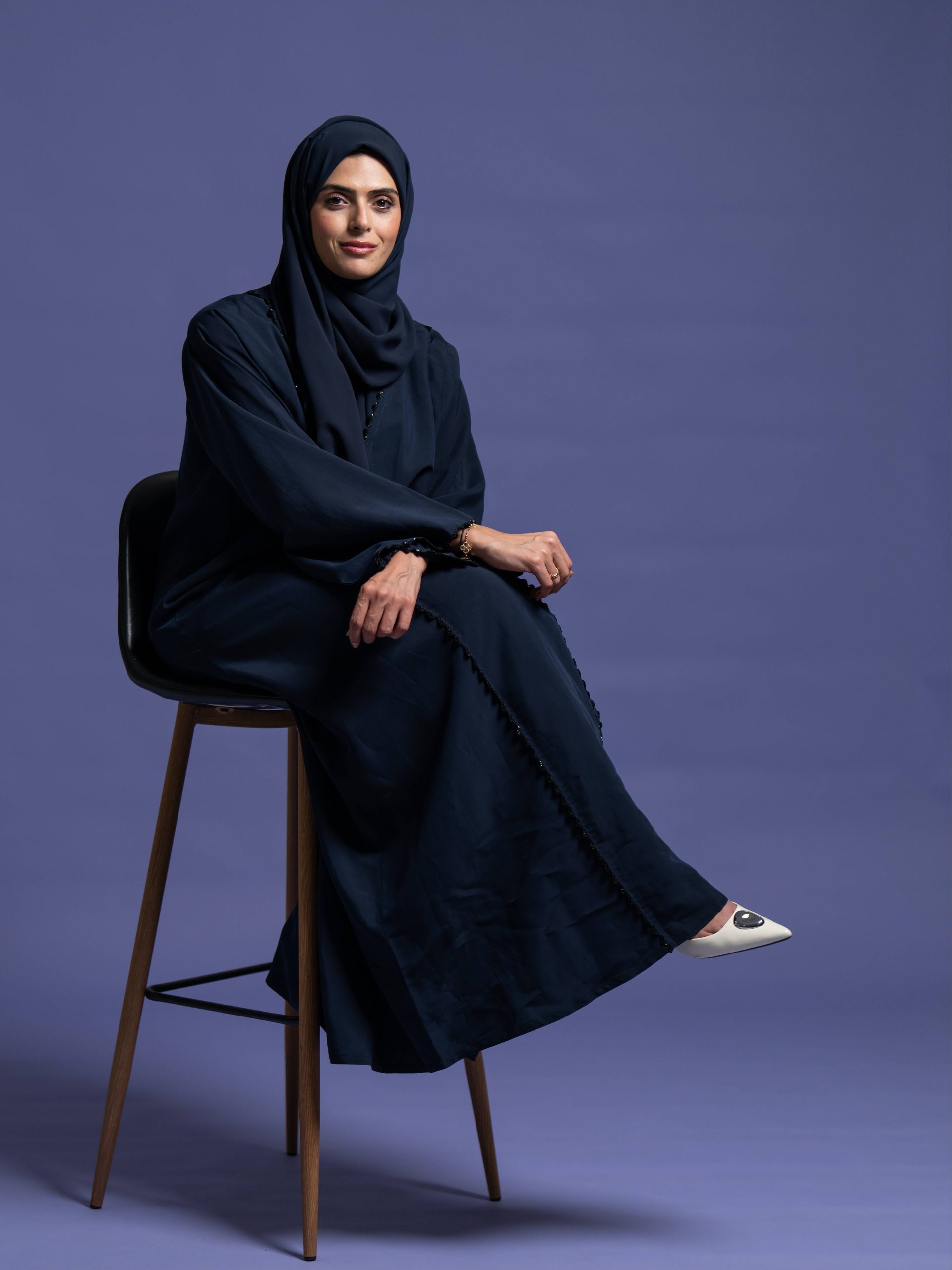
In a recent conversation, Samah AlHajeri, Director of New Economy at the UAE’s Ministry of Economy, shed light on how the nation is positioning itself to stay ahead of the curve. Drawing on a background steeped in policy-shaping and regulatory innovation, AlHajeri emphasised the UAE’s unique approach: a model that involves listening to markets, embracing agile experimentation and enacting proactive regulations to align with and often anticipate global trends.
Leading in forward-looking regulation
While many governments grapple with how to react to emerging technologies, the UAE has chosen a more anticipatory stance. “The challenge is not how we can make the government follow behind all the innovations we see,” AlHajeri explained. “The real thing is basically how we can be adaptable and hear the market and the innovators, so we can come out with proactive regulations.”
The UAE’s approach has been exemplified by the Virtual Asset Regulatory Authority (VARA), established in Dubai to oversee crypto assets, as well as the early move by Abu Dhabi Global Market (ADGM) in 2018 to implement a full crypto asset framework. This makes the Emirates one of the first jurisdictions in the world to provide clear and comprehensive guidelines for crypto assets—a critical move given the global surge in interest in cryptocurrency and blockchain solutions.
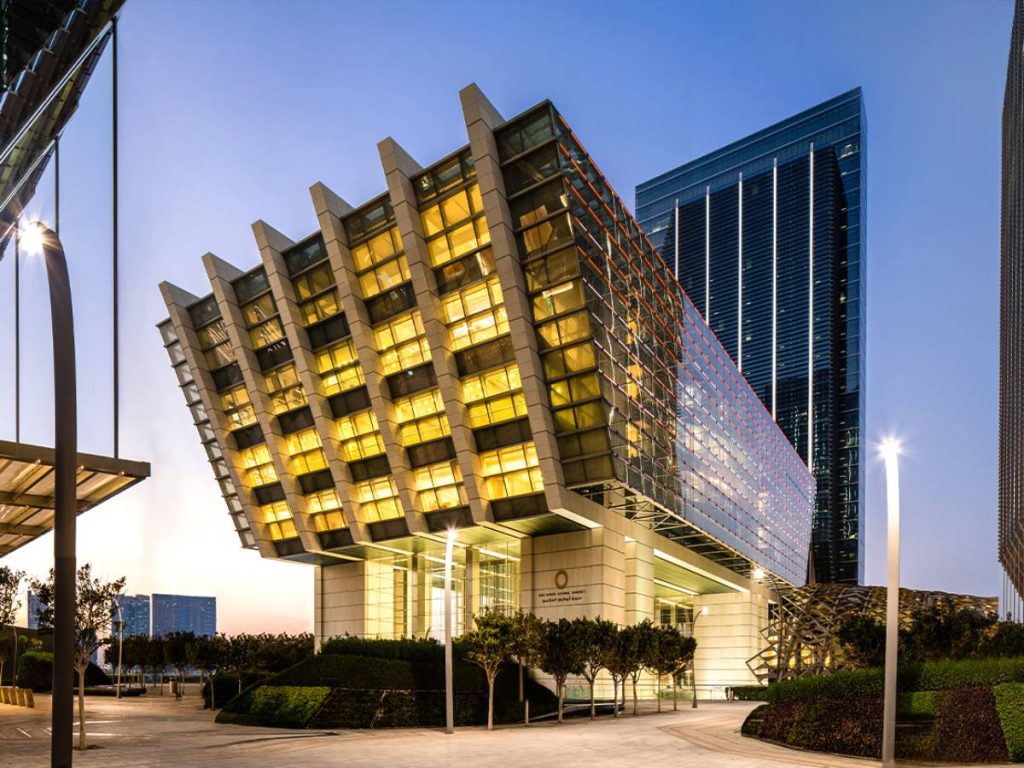
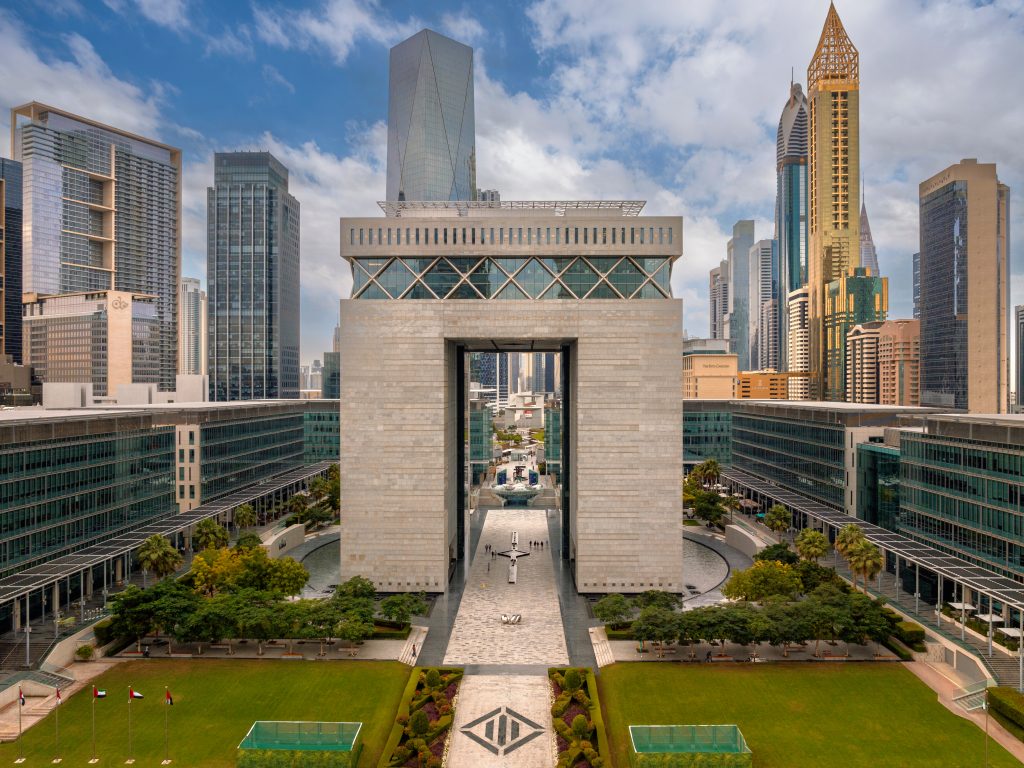
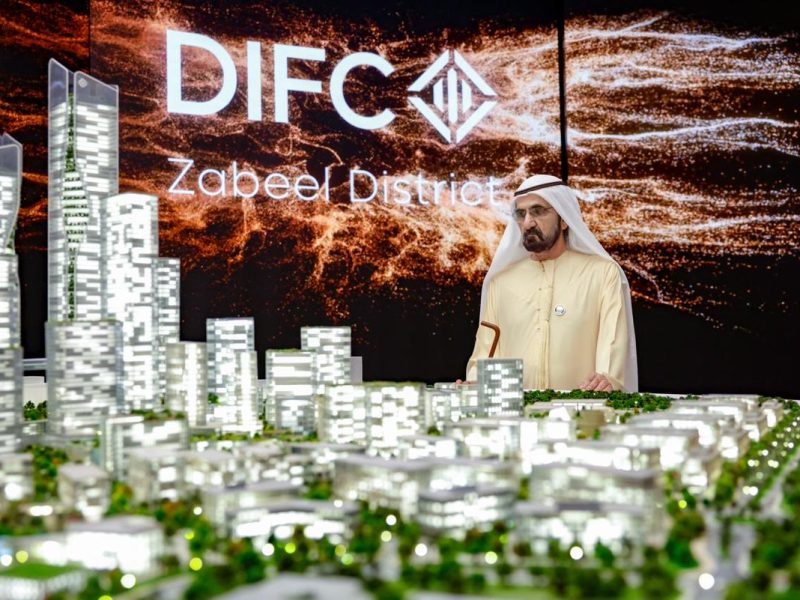
Further evidence of success in this realm is found in the Dubai International Financial Centre (DIFC), which recorded a remarkable growth, reinforcing its reputation as a hub for financial innovation. DIFC attracted more than 820 new companies in H1 2024, with fintech and innovation sectors witnessing explosive growth with a 33% annual increase in the number of companies. This alignment of policy and practice illustrates that when regulatory clarity is present, business growth follows. As AlHajeri noted, “I believe all of that is living proof that here we are really excelling when it comes to digital innovation.”
A culture of regulatory experimentation
To stay nimble, the UAE has embraced experimental spaces like RegLab, a sandbox environment that allows government bodies, private companies and innovators to collaboratively pilot emerging technologies and develop regulations in real time. “It’s not about waiting for something to be everywhere and then reacting,” AlHajeri said. Instead, through RegLab, the UAE co-develops rules alongside innovators who are reshaping the financial landscape. This constant iterative process is critical given the rapid pace of changes in areas like autonomous financial services, tokenisation and sustainable finance.
This collaboration echoes global best practices but is rarely seen enacted as thoroughly and systematically as in the UAE. The government’s involvement in PPPs—Public-Private Partnerships—is another key facet of this approach.
According to AlHajeri, “From the beginning, they [the government] said, ‘We will not come and compete with the private sector. Our focus is on how can we really enable them through our regulations, our incentives’”
This stance acknowledges that long-term economic competitiveness emerges from a synergy between policy and private enterprise rather than a top-down command structure.
Diversification
The UAE’s push into the “new economy” is also evident in its diversification agenda. Authorities have spent decades moving beyond oil revenue, focusing on building a robust service economy anchored by finance, tourism, logistics and advanced technologies. Financial centres like DIFC and ADGM didn’t merely emerge; they were carefully nurtured, with policies designed to attract financial institutions, asset managers, hedge funds and family offices.
This strategy is paying off. For example, legendary investor Ray Dalio chose Abu Dhabi for his family office’s expansion—an endorsement that resonates far beyond the Middle East. The UAE, according to AlHajeri, “got ranked as a destination that attracts wealthy people,” becoming a global magnet for high-net-worth individuals. In 2023, it was widely reported that thousands of the world’s wealthy planned to move to the Emirates, drawn by its stable regulatory environment, quality infrastructure, and lifestyle benefits.
AlHajeri pointed to thematic development within the financial sector—first building strong value chains and then shaping ecosystem “themes” that drive targeted growth. For instance, the country’s efforts to attract hedge funds, asset managers and family offices create self-reinforcing networks of expertise and capital. Such development requires a “state-of-the-art landscape” and “mastering the value chain,” AlHajeri said, enabling the UAE to consistently move into higher-value economic activities.
Attracting talent through policy innovation
A persistent theme in the UAE’s economic strategy is its focus on people—both entrepreneurs and skilled professionals. The introduction of investor-friendly visas, such as the Golden Visa and Green Visa, has lowered barriers to entry for qualified talent. Coupled with high standards of living, a strong education sector and world-class infrastructure, the UAE has become an attractive long-term home base for innovators and their families.
AlHajeri stressed that talent doesn’t just follow capital; it also seeks opportunities. “If you really want to attract those talents who will be sustainable for your economic growth, those talents will not be the ones who just follow money. They’ll follow opportunities,” she said. The UAE’s approach—fusing traditional cultural values with globalised modernity—creates an environment where long-term opportunities abound in finance and emerging fields like AI, fintech and sustainability.
Empowering women
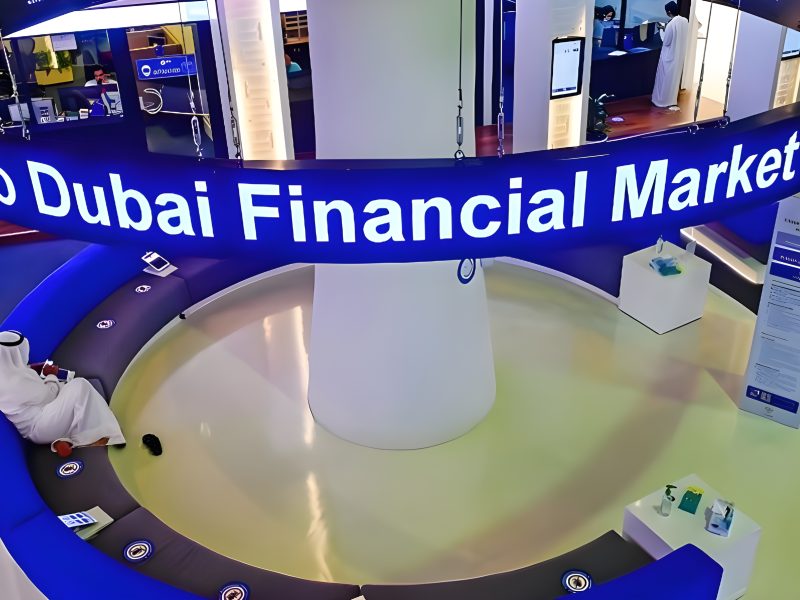
One distinct dimension of the UAE’s new economy is its emphasis on inclusivity. Gender empowerment, in particular, has seen significant strides. The government has mandated that companies listed on the UAE’s stock exchanges include at least one woman on their corporate boards. Moreover, organisations such as the Securities and Commodities Authority (SCA) are led by women, exemplifying top-level support for diversity.
AlHajeri pointed out that these moves are not token gestures. “We can really see that the government is empowering women,” she said. This extends beyond formal policy changes, taking shape as businesswomen councils, entrepreneurial support networks and encouragement for women in STEM fields.
Such inclusivity is not only socially progressive but also economically prudent; research has shown that diverse organisations tend to outperform their less diverse peers, driving innovation and sustainable growth.
Embracing AI and technological innovation
The UAE’s responsiveness to AI and other frontier technologies is another competitive edge. When the generative AI wave—exemplified by ChatGPT—emerged, the UAE government encouraged public entities and employees to embrace it rather than resist it. “From today, we are directing both entities and employees to start using it, embracing it,” AlHajeri recalled the early 2023 directive. This proactiveness ensures that the public sector remains a forward-thinking partner rather than a bureaucratic hurdle.
Major global players are also noticing. Microsoft’s partnership with Abu Dhabi’s G42 to invest over $1 billion in computing capacity is a prime example of the UAE’s ability to attract transformative deals. By facilitating the growth of cutting-edge infrastructure, the country is poised to be a leading testbed for advanced AI solutions and fintech innovations, further solidifying its place on the map of global innovation hubs.
Circular economy and sustainability
As the UAE continues to expand its horizons, the next wave of economic transformation involves embedding sustainability and circular economy principles into the fabric of its development. Officials have announced targets for GDP growth that depend not on traditional sectors alone but on “new economy” models—circularity, green technologies and intellectual property-driven SMEs.
Financial technology and AI will be key enablers, as will policy frameworks that encourage responsible experimentation. Regulators, supported by sandbox environments like RegLab, will continue to co-create rules with innovators and investors, ensuring that the UAE remains a place where disruptive ideas receive supportive guidance rather than reactionary pushback.
What sets the UAE apart from many other nations attempting similar transformations is its integrated approach: a willingness to experiment, a regulatory framework that evolves in concert with industry participants, robust public-private partnerships and a focus on attracting and empowering human talent across gender and national lines. Underpinning it all is a leadership ethos that understands that future prosperity hinges on embracing change, not fearing it.
As Samah AlHajeri suggests, the UAE’s success in staying ahead of the curve lies in its readiness to adapt and innovate, ensuring that the Emirates is not just catching up to the global economic future but actively shaping it.