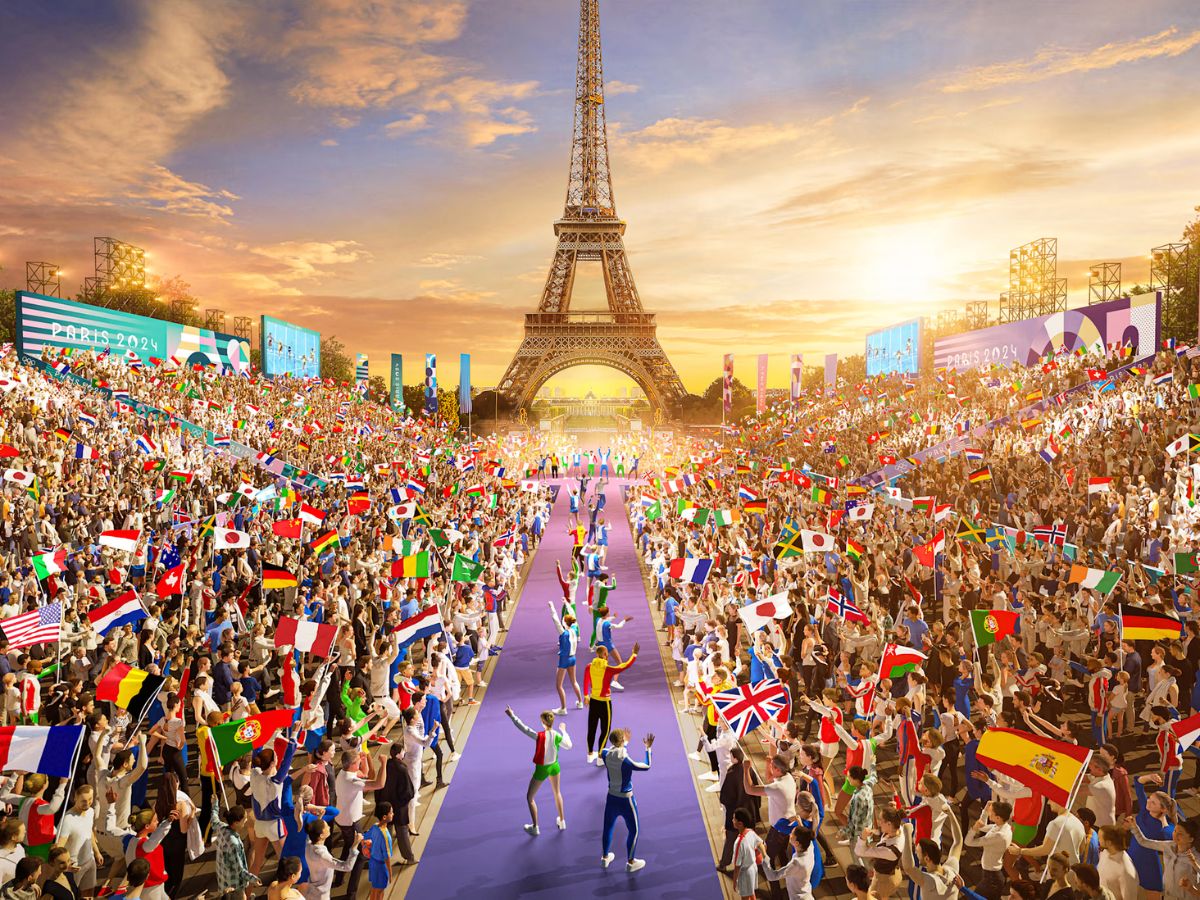
The Paris 2024 Olympic Games start tomorrow. The torch will be lit, the flags will be waived and the world will celebrate. The large-scale sporting event has attracted millions of fans to the city, but it is also set to hurt Paris’s funds.
The total bill for the Paris 2024 Games is still unknown, but there are already estimates of how much the city is set to spend to host the world’s largest sporting event. Based on historical lessons, we look at the question: just how much does it cost to host the Olympic Games? And, more importantly, do countries make the money back?
How much do the Games cost?
The 2024 Olympic Games can be considered “budget-friendly”. Official estimates have placed the costs of this year’s Games at EUR 9 billion ($9.8 billion), less than the previous three Games—in Tokyo, Rio de Janeiro and London—and far below the $43 billion Beijing is estimated to have spent in 2008, according to official reports.
“The 2024 Olympic Games can be considered ‘budget-friendly'”
“Everyone has been conscious of every euro that is spent, that it is useful, and we should be careful not to spend any euros on things that are superficial. Frankly, that is a challenge in itself,” Étienne Thobois, CEO of the Paris 2024 organising committee for the Paris Olympics, said in a press conference before the opening ceremony.
The last Games, held in Tokyo cost JPY 1.7 trillion ($12.9 billion), according to Japan’s national auditors. Nonetheless, the event was 20% more expensive than what the organising committee had first reported six months prior. The discrepancy was mainly due to not having accounted for additional expenses including athlete training, doping prevention and building works required in the National Stadium.
The cost of the Tokyo 2021 Games was also 130% higher than the estimates released in 2013, the year Japan won its bid to become a host. The country was further impacted by the need to postpone the event a year due to the Covid-19 pandemic. The change of date alone is estimated to have cost Japan $2.8 billion, two-thirds of which was paid with public funding, as reported by Forbes.
The most and least expensive Olympic Games
The Olympic Games began as publicly-funded competitions, which were not expected to make a profit. However, in the past 50 years, the expense required to host has been steadily rising. University of Oxford researchers have recently estimated that the average cost of hosting the event since 1960 has been triple the bid price.
“The 1976 Montreal Games came in 720% over budget”
The 1992 Barcelona Games saw a 266% cost overrun—but the Spanish city was far from being the only one to overspend. The cost of the 2012 London Olympics reached just under $15 billion, but the organisation had made comparatively better predictions, with the cost of the London event only being 76% above the original budget. Meanwhile, the 2016 Rio de Janeiro Games was 325% over budget, forcing Brazil’s federal government to provide the city with a $900 million bailout, according to POLITICO. However, the disaster was not as bad as the 1976 Montreal Games, which came in 720% over budget and left the city $1.5 billion in debt, an amount that has taken Montreal’s taxpayers 30 years to repay.
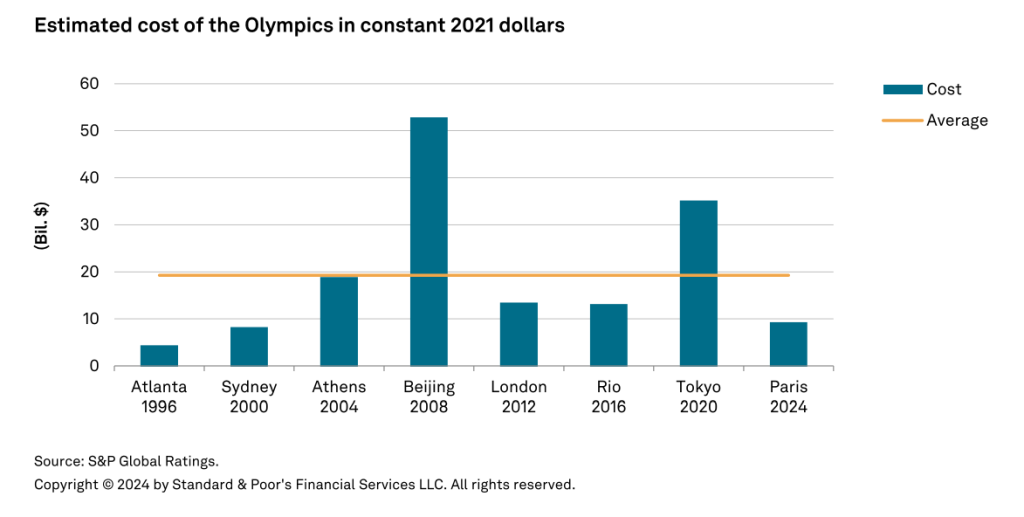
In the years since 1988, the most expensive Games are said to be the Sochi 2014 Olympic Winter Games at $50 billion, while the cheapest was the 1988 Calgary Games, at $1.2 billion, according to data released by the Council on Foreign Relations. The steady rise in costs—added to the lack of transparency regarding the profits—has prompted protests regarding the use of public funds for the funding of the Games. In 1972, the result of a referendum that refused a budget increase made Denver the first city to have rejected the opportunity to host the Games.
What is the money spent on?
The costs incurred in hosting the Olympic Games begin even before a city is selected. The Council on Foreign Relations has estimated the cost of planning for a bid, hiring consultants, organising events and transportation costs at between $50 and $100 million. Tokyo reportedly spent $150 million on its failed 2016 bid, almost double the amount it took to be named host for 2020. In 2015, Toronto officials told The Globe and Mail the city could not afford to submit a bid, pointing to the failed Montreal Games.
“I’m very opposed to the idea of going for the Olympics,” Councillor John Campbell commented at the time. “Olympics have proven themselves in the past to be losing financial endeavours.”
Once the bid is secured, it comes the time to build. Cities usually have about a decade to build the infrastructure required to host the Games and raise the money needed for operating expenses. For instance, the International Olympic Committee demands that cities block 40,000 hotel rooms. In the case of Rio 2016, this meant the city had to build 15,000 new rooms. Another significant cost is security. Athens spent over $1.5 billion in security services alone, being the first city to host after the 9/11 attacks. Meanwhile, Tokyo spent around $2.8 billion on disease prevention.
“Infrastructure costs range from $5 billion to more than $50 billion”
Often, cities incur large expenses in putting forth their best face for the cameras. An estimated 85% of the budget for the 2014 Sochi Games’ was spent on non-sports infrastructure, while more than half of the Beijing 2008 budget of $45 billion went to transportation infrastructure, and nearly a fourth went to environmental clean-up efforts. Altogether, these infrastructure costs range from $5 billion to more than $50 billion.
Paris 2024
In the case of Paris 2024, the city comes with the advantage of experience, which makes the city officials confident they will be able to stick to the budget. Paris is a veteran at hosting, having organised the Games twice already. Moreover, S&P Global estimated that 95% of the venues needed were already in place and required limited refurbishing or will be temporary. As such, Paris’ investment budget included only three main construction projects—an Olympics Village (estimated at EUR 1.5 billion), the Aquatics Centre (EUR 175 million), and a new arena that will host badminton and gymnastics competitions (EUR 138 million).
“Hosting an Olympics typically does not come cheap. But the City of Paris won its bid on its already-solid infrastructure, for sports and transport, and with predominantly private financing. This stands to limit the budgetary impact on Paris (AA/Negative/A-1+) and the French state (AA/Negative/A-1+),” said S&P analyst Hugo Soubrier. In total, the agency has estimated Paris to have spent EUR 4.5 billion ($4.9 billion) on new infrastructure and EUR 4.4 billion ($4.8 billion) in operating expenses.
How much does the host country make?
The name that foots the Olympic bill varies with each edition, but the city’s officials often take the brunt of the cost. Nonetheless, Paris is said to have a solid plan in place to recoup its investment. Overall, public spending (including by the French state and local and regional authorities) has been predicted to only be only 28% of the total and has been directed toward investment needs, according to S&P Global data. Much of the funding is said to have come from private companies, ticket sales and sales of broadcasting rights. The International Olympic Committee (IOC) is contributing EUR 1.2 billion ($1.31 billion) to the Paris organising committee.
“Official estimates have placed the costs of this year’s Games at EUR 9 billion”
Tickets are also another clear source of revenue. The Paris 2024 Olympic Games has issued 10 million tickets of varied prices. While the women’s artistic gymnastics costs between EUR 125 and EUR 690 (about $135 to $746), a seat to watch the men’s basketball or 100-metre swimming final costs as much as EUR 980 ($1059) for the highest-priced tickets. Together, ticket sales and TV and marketing deals should bring in around EUR 4.2 billion ($4.6 billion) which could cover up to 96% of the Paris 2024 total operating costs, according to the International Olympic Committee (IOC).
“Paris’ budgetary performance has remained resilient and will be supported by increased tax and nontax revenues,” Soubrier added. “Also, while relatively large, its debt burden should remain broadly flat as a percentage of its operating revenue.”
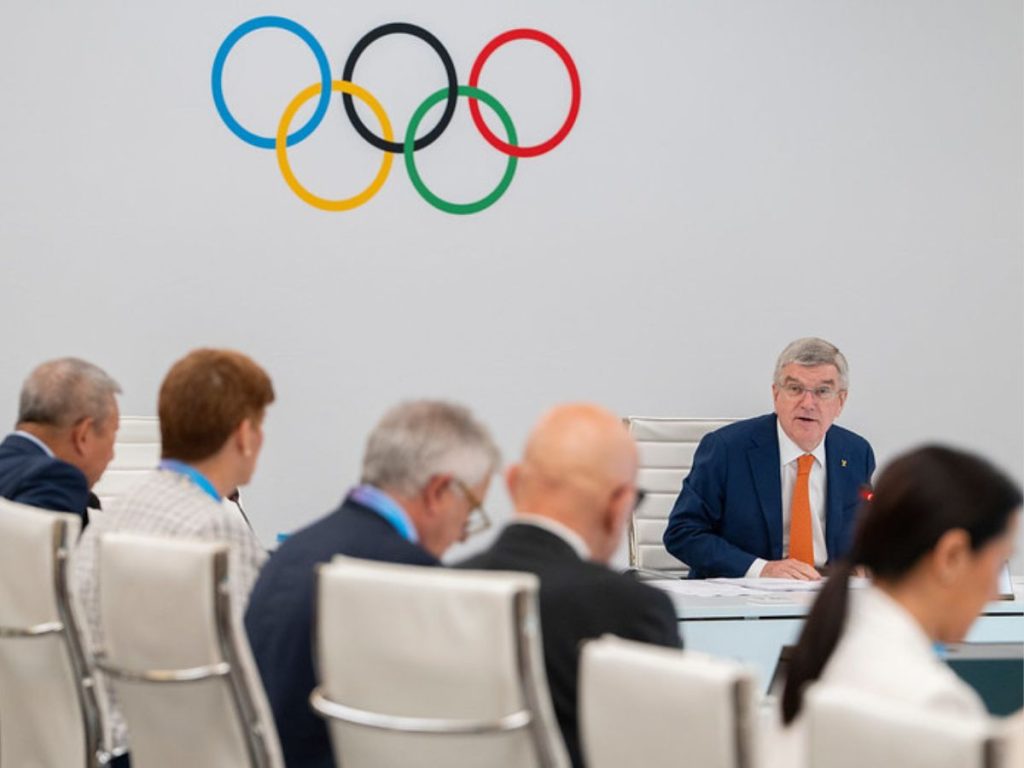
Paris is expecting to raise a significant amount of funds from Games-related increases in tax revenue and a windfall tax on hotels and tourist spending. S&P expects Paris VAT receipts to grow 4.9% in 2024, so much so that the city has budgeted EUR 185 million ($200 million) in revenues in 2024, compared to only EUR 100 million ($108 million) in its 2023 budget.
Additionally, the cost of bus and metro fares are doubling in the capital during the Games, and museums and tourist attractions are also increasing their ticket prices. In January the Louvre art gallery put up its entrance fees by almost 30%. If these projections materialise, the boost to the city’s revenues should cover almost all its games-related operating costs (net of rental revenues), S&P said.
The IOC maintains that “hosting the Olympic Games generates powerful economic benefits,” although the truth of this statement is often debated. The profit that each country has been able to make also varies from case to case. Beijing’s 2008 Summer Olympics generated $3.6 billion in revenue, and Tokyo’s delayed Summer Games generated $5.8 billion, but both countries incurred much higher costs to host the event. The benefits are, nonetheless, sometimes long-term.
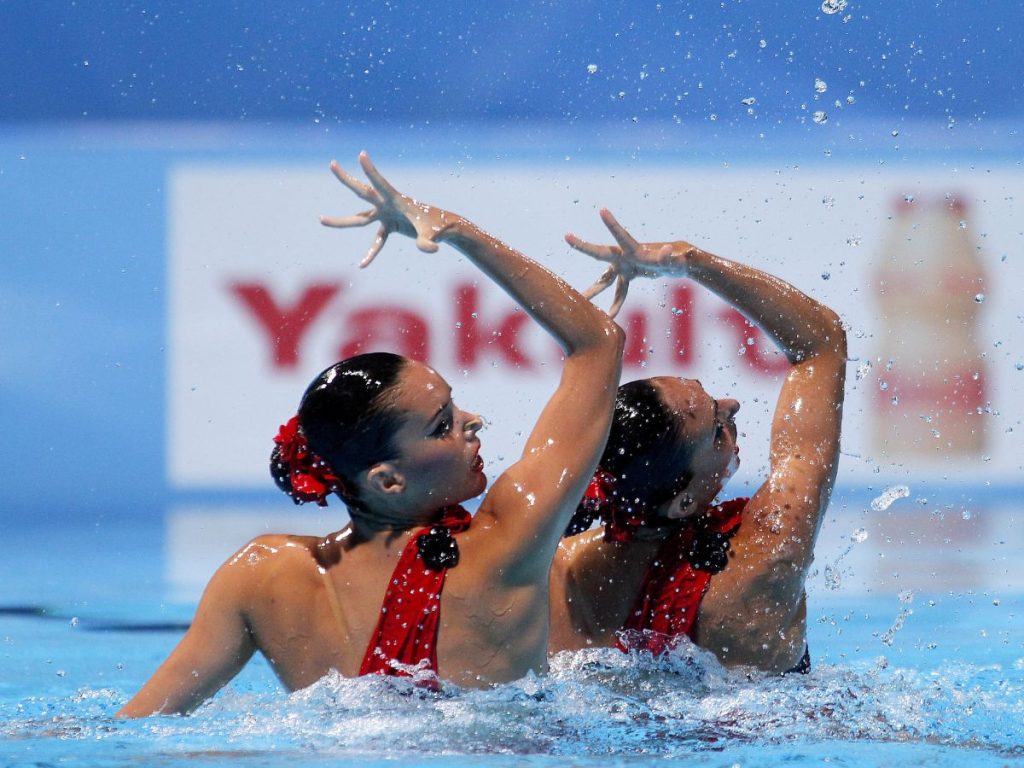
The 1992 Barcelona Games, despite their high costs, are often referred to as a huge success, being credited with putting the city on the global tourism map. Over 20 years after the Games, Barcelona is now the 12th most popular city destination for tourists in the world, and the fifth in Europe. Additionally, the infrastructure created for the games was thought to have provided over 20,000 permanent jobs for Barcelona.
“The 1992 Barcelona Games, despite their high costs, are often referred to as a huge success”
“For me, a citizen of Barcelona, it was very clear that there was Barcelona before the Games and Barcelona after the Games,” said Pere Miró, former Director of NOC Relations and Olympic Solidarity at the IOC. Juan Jose Paradinas, a Spanish writer agreed, telling The Atlantic, “The Barcelona Olympics unleashed a torrent of money from both the government and private sources to build sports facilities all over the country and support sports which had not previously had support in Spain. By the end of the decade, we saw the results.”
The Olympic Games come in every colour. Some have been able to boost a city’s economy to levels not seen before, while others have sunk it into debt. At the end of the day, it is a matter of budgeting, expecting the unexpected and answering a single question: How much would you pay to become History?