Crude oil prices experienced a subtle uptick during early trading on Thursday as the ongoing conflict involving Iran began to have significant repercussions across global energy markets.
Iranian Attacks on GCC Energy Sites
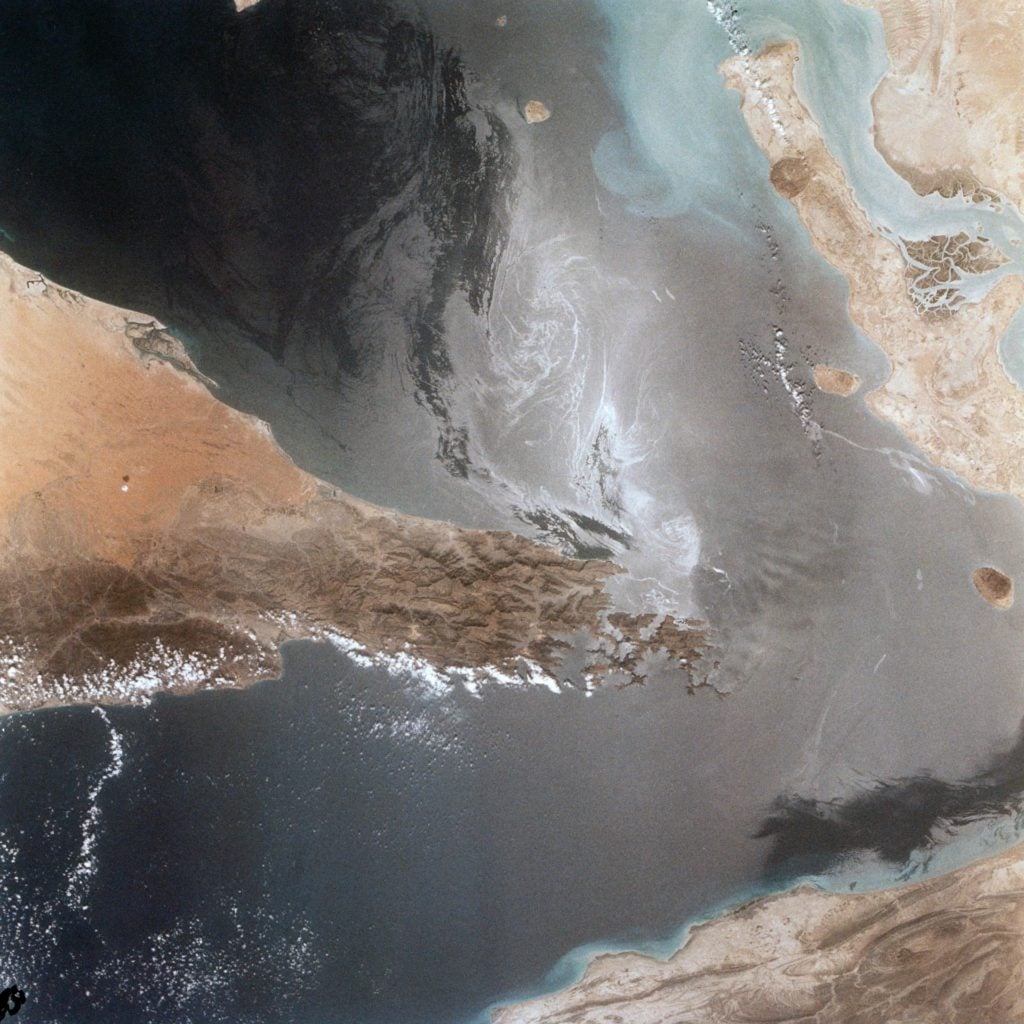
The conflict’s ripple effect is particularly evident in the Strait of Hormuz, where Iran continues its blockade on shipping routes. This situation has raised concerns over the storage capacity of Gulf producers.
Reports indicate that Iraq has already throttled production at its Rumaila field and the West Qurna-2 project, whilst Qatar is forecast to shut down LNG exports.
Suppliers of fuel to vessels in the Emirati port of Fujairah have declared ‘force majeure’: a legal clause that allows them to suspend contracts due to extraordinary circumstances such as war or blockades, citing Argus Media reports.
Regional Precedence
Market apprehensions are heightened by historical parallels to the ‘tanker war’ during the Iran-Iraq War in the 1980s, which jeopardised the safety of Western commercial vessels in the Strait of Hormuz.
Since the onset of the current conflict on 28 February, six tankers have reportedly been targeted in the Gulf.
The volatility in Brent prices has been notable, with fluctuations within 5%.
Analysts highlight the challenges in achieving reliable oil price discovery amid the significant disruptions in oil flows through the critical strait. This environment is likely to exacerbate price volatility, complicating trading conditions for market participants.
Gas Disruption, Commodity Uptick
The disruptions have also impacted the gas market, as QatarEnergy declared ‘force majeure’ following Iranian strikes that halted production of liquefied natural gas and various downstream products.
Petronet LNG, India’s largest gas importer, informed domestic clients of its inability to meet orders, while Aluminium Bahrain (Alba) suspended certain deliveries, causing aluminium prices to rise by 5% on the London Metal Exchange, reaching levels not seen in four years.
In commodity markets, spot gold rose by 0.8% to $5,177.26 per ounce, with U.S. gold futures for April delivery up 1% to $5,186.40.
U.S. financial markets showed resilience, closing in positive territory with the S&P up 0.8%, the Nasdaq gaining 1.3%, and the Dow Jones climbing by 0.5%.
Yet UAE stocks suffered losses after reopening for the first time since the conflict erupted, with Dubai’s index dropping 4.7% to a two-month low and Abu Dhabi’s benchmark declining by 1.9%.
Saudi Arabia’s Tadawul All-Shares Index, however, managed to close 1.6% higher, marking the second consecutive day of gains.
Stay Up to Date with the Latest Updates at Finance ME!
Ajman Bank Delivers 22% Income Growth, AED 250M Dividend
Hasan Al Fardan: Why Institutions Define the UAE’s Payments Success?