The GCC fintech market is rapidly growing and driven by digital transformation, increasing smartphone usage, and supportive regulatory frameworks. According to the latest report by IMARC Group, the market is projected to grow at a CAGR of 17.6% from 2024 to 2032.
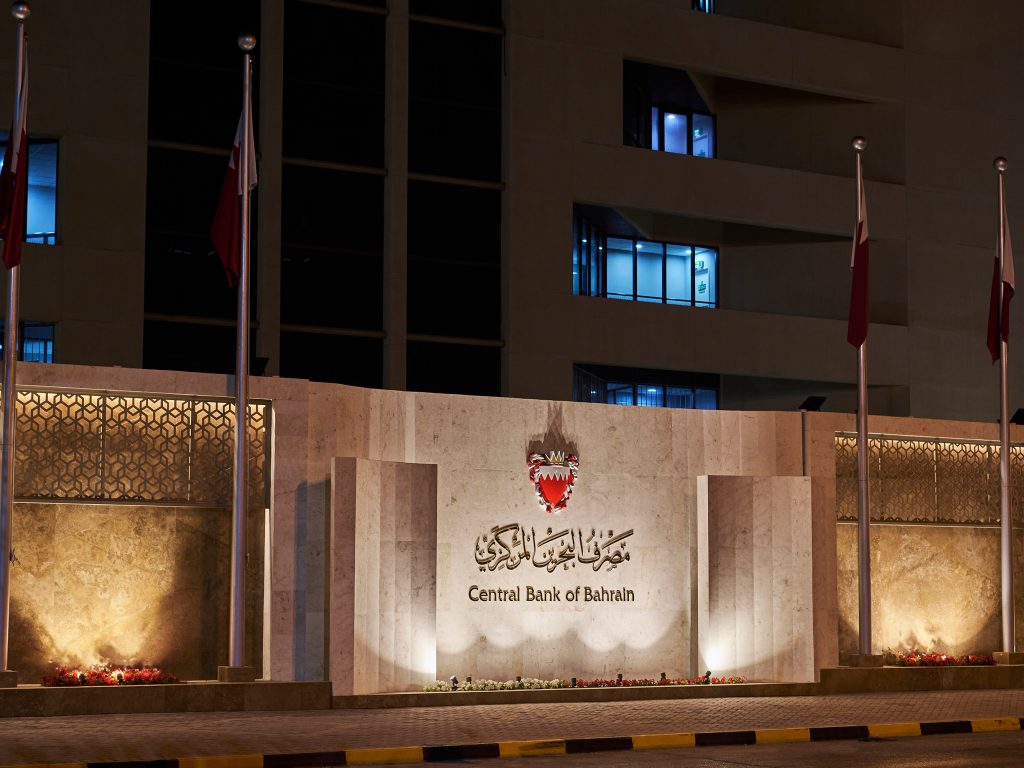
Digital transformation and a supportive regulatory environment are key factors driving the growth of the GCC fintech market. Additionally, government authorities are substantially promoting fintech innovation through strategic initiatives and regulatory sandboxes that encourage experimentation and the development of new financial technologies. In this context, the Central Bank of Bahrain (CBB) is cementing its position as a global leader in the fintech landscape.
We recognise the importance of staying at the forefront of global fintech developments
Yasmeen Alsharaf
In December 2021, led by the Government of Bahrain, the CBB initiated the Financial Services Sector Development Strategy 2022-26. This strategy aims to develop various market segments, from capital markets to fintech, strengthen regulatory policies to attract market entrants, maximise the financial sector’s contribution to GDP and create new job opportunities. We sat down with Yasmeen Alsharaf, Head of the Fintech and Innovation Unit at the Central Bank of Bahrain, for an exclusive interview to discuss the progress the country has made in the fintech space.

“Fintech is a priority sector at a national level and is a key pillar of the Government strategy for the development of the financial services sector,” said Alsharaf. “The central bank is committed to transforming financial services and fostering innovation by creating a conducive regulatory environment. We work closely with innovators, existing players in the financial sector and peers from other central banks to identify gaps and devise strategies to elevate the fintech ecosystem.”
At a national level, the government has also undertaken initiatives to ensure that Bahrain is well-positioned to transform into a leading digital economy. In 2023, Bahrain ranked fourth in MENA for financial, investment and trade freedom in the Heritage Foundation Index and seventh globally in the ICT Development Index.
Since 2022, the CBB has been working to achieve key milestones across sub-sectors, with further progress expected in the coming years. The central bank has introduced several regulations to support a thriving fintech ecosystem, including the Crypto-Asset Regulations in 2019, Open Banking Regulations in 2018 and the Bahrain Open Banking Framework in 2020. The CBB has also issued regulations on cloud computing, BNPL, insurance aggregators and digital financial advice.
The Regulatory Sandbox, established in 2017, has also remained a key driver in supporting the fintech ecosystem by allowing institutions to test technology-based innovative solutions in a controlled environment. This approach enables start-ups to test fintech solutions in a live environment with lighter regulations.
“We recognise the importance of staying at the forefront of global fintech developments,” stated Alsharaf. “To this end, we actively collaborate with other central banks and regulatory authorities worldwide. This collaboration allows us to align with international best practices. Building fintech bridges between Bahrain and other markets is a strategic priority for us.”
She stressed that these connections facilitate the exchange of knowledge and expertise and ensure that Bahrain’s regulatory frameworks are robust, forward-thinking and conducive to fostering a vibrant fintech ecosystem. “By working closely with our global counterparts, we aim to position Bahrain as a leader in the fintech space while also ensuring the safety, security and stability of our financial system,” she added.
Funding sources
Fintech startups in Bahrain can access funding from various sources. These include regional and international VCs, local incubators and accelerators, a growing local and regional community of angel investors and access to government subsidies and financial grants through Tamkeen, Bahrain’s labour fund.
The government has taken proactive measures to support startups through different programmes facilitated through the “StartUp Bahrain” initiative, which provides funding, incubation and acceleration opportunities.
Crowdfunding platforms
Crowdfunding platforms in Bahrain operate under regulations issued by the CBB in 2017. These regulations allow for financing-based and equity-based crowdfunding platforms, which can operate as conventional or Sharia-compliant platforms. The CBB amended its crowdfunding regulations in 2022, introducing measures to ensure safe operation, due diligence and product suitability for retail clients.
“The CBB strives to continuously review all regulations and directives related to the provision of financial services in the Kingdom of Bahrain to update and enhance them in line with developments in the financial sector,” noted Alsharaf. “Crowdfunding provides a viable alternative to tap into new funding sources for start-ups and new companies.
“Fintech solutions have the potential to enhance capital flows to the economy, commensurate with the growth and expansion plans of entrepreneurs through this new source of funding, thereby helping to develop the businesses of these start-ups.”
Alsharaf added that the global nature of crowdfunding supports international investment, leading to greater economic integration and potential growth on a larger scale. “The CBB will continue to explore and develop new financial tools for emerging business models to keep pace with the needs of the local market and support efforts to create new services that match evolving trends in financial technology.”
Blockchain and cryptocurrencies
When asked how Bahrain integrates blockchain and cryptocurrencies into its financial infrastructure, Alsharaf said that the Kingdom is proactively embracing emerging technologies as part of its broader strategy to position the country as a leading fintech hub in the region. “We recognise the transformative potential of these technologies, not just for the financial sector, but for the broader economy.”
The CBB has also introduced a regulatory framework covering various aspects of crypto-asset activities, including licensing requirements, digital wallets and anti-money laundering measures.
“Our regulatory sandbox allows blockchain and crypto asset firms to test their innovative solutions in a controlled environment under regulatory supervision,” explained Alsharaf. “This approach ensures that we remain agile and adaptive to new developments while maintaining a strong emphasis on consumer protection and financial stability.”
Bahrain has more than 120 fintechs, with payments and crypto being the most concentrated sectors. The Kingdom is home to 367 financial institutions with a workforce of over 13,700 employees in the industry, according to Bahrain FinTech Bay.
Alsharaf acknowledged the regulatory challenges posed by blockchain’s decentralised nature and cryptocurrencies’ pseudonymous characteristics. “Ensuring robust security measures, addressing potential risks related to fraud and financial crime and balancing innovation with consumer protection is imperative.”
Ensuring robust security measures, addressing potential risks related to fraud and financial crime, and balancing innovation with consumer protection is imperative
Yasmeen Alsharaf
She stressed that the CBB is confident in its ability to integrate these technologies effectively and responsibly into Bahrain’s financial infrastructure through continuous dialogue with industry stakeholders, collaboration with other regulatory bodies globally and a commitment to ongoing learning and adaptation.
Digital banking innovation
Looking to the future of digital banking innovation in Bahrain, Alsharaf highlighted the focus on enhancing customer experiences, operational efficiency and expanding services using technologies such as AI and blockchain. “AI has the potential to drive personalised banking, fraud prevention and streamlined compliance. Blockchain can enable secure digital identities and transparent transactions. These technologies have the potential to foster innovation in financial services, provided they are used appropriately and governed adequately.”
According to Go-Globe Bahrain, the Kingdom’s adoption of AI technology may help grow its GDP by 8.2% per year by 2030.
Alsharaf said that the CBB will continue to push out regulatory frameworks that encourage financial inclusion and economic soundness and promote innovation within the financial services sector through such emerging technologies. “We constantly ensure that we are up to date with global fintech,” she commented. “This is partly achieved through the CBB’s presence in several global and regional fintech working groups such as the Global Financial Innovation Network.”
As fintech continues to shape the future of financial services globally, Bahrain is positioning itself as a key player in this evolving landscape. With a supportive regulatory framework and forward-thinking initiatives, the CBB is paving the way for Bahrain to become the region’s leading fintech hub.