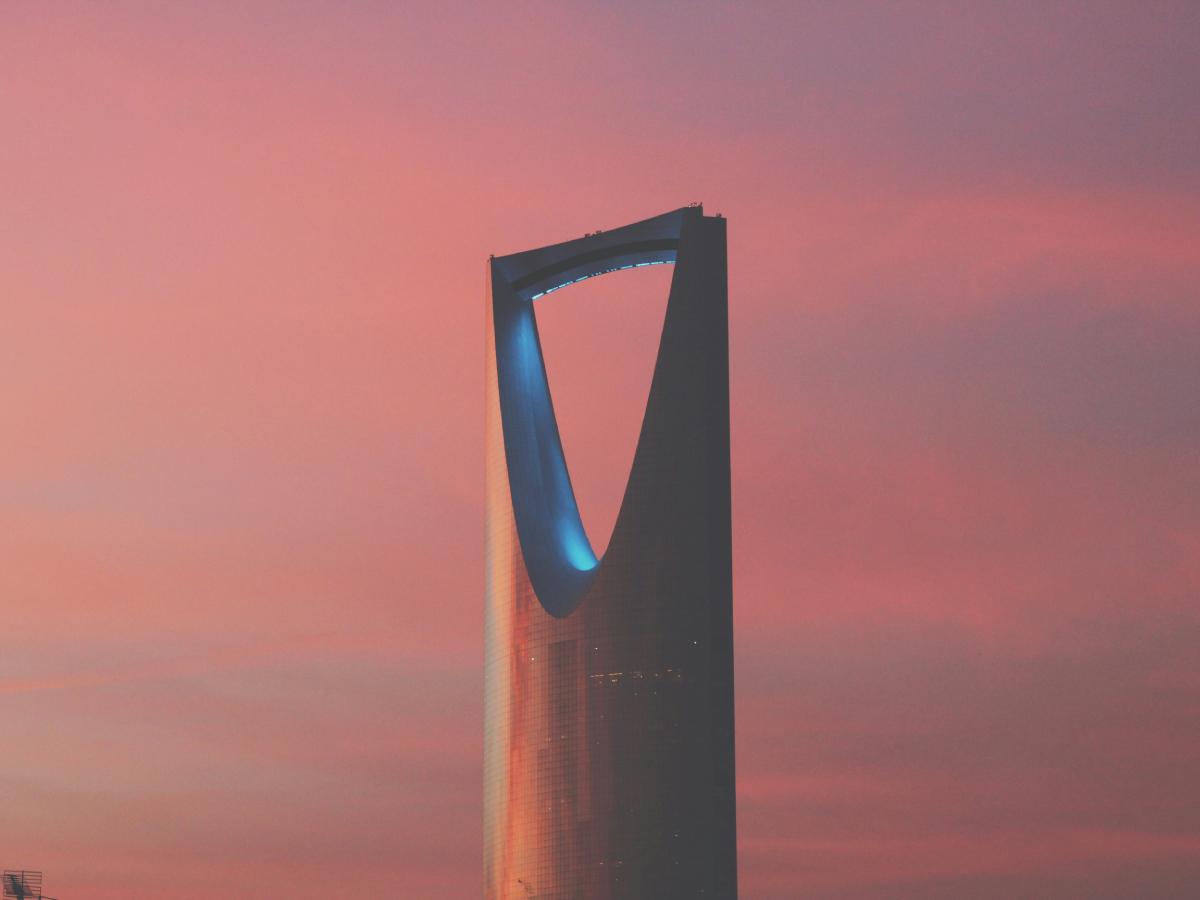
Over recent years, the economic landscape of Saudi Arabia and the UAE have undergone remarkable transformations and reforms. Both major Middle Eastern economies, traditionally known for their oil-related wealth, are experiencing record highs in Gross Domestic Product (GDP) generated from non-oil business activity. This shift has resulted from the successful implementation of diversification strategies. It has set a precedent for other Gulf Cooperation Council (GCC) countries and internationally, driving the region towards a more sustainable and reliable economic future.
The ambitious Vision 2030 initiative in Saudi Arabia has driven the Kingdom’s significant economic transformation. The programme aims to diversify the economy and has catalysed growth in diverse sectors such as tourism, real estate, entertainment, technology and finance.
The Vision 2030 initiatives in KSA included major real estate development projects such as NEOM, which envisions a futuristic city to be a global innovation and sustainability hub; tourism projects like the Red Sea Project, establishing the Kingdom as a tourist destination; entertainment attractions like the current Riyadh Season, which has seen global events in boxing, Formula 1, and the UFC; and finally in business, with the Regional Headquarters (RHQ) Programme, encouraging large multinational incorporations to establish their headquarters in the country, with incentives such as the eligibility of government tenders, which had seen hundreds of companies setting up an RHQ, with numbers rapidly increasing in recent months when an additional 127 RHQs were established in Q1 of 2024, a 477% increase from the previous year. The combined efforts of these initiatives are already providing results, with plenty of time remaining before the 2030 target deadline; the nation’s non-oil activity now accounts for a record 50% of real GDP due to international recognition in the form of foreign investment and a growing private sector.
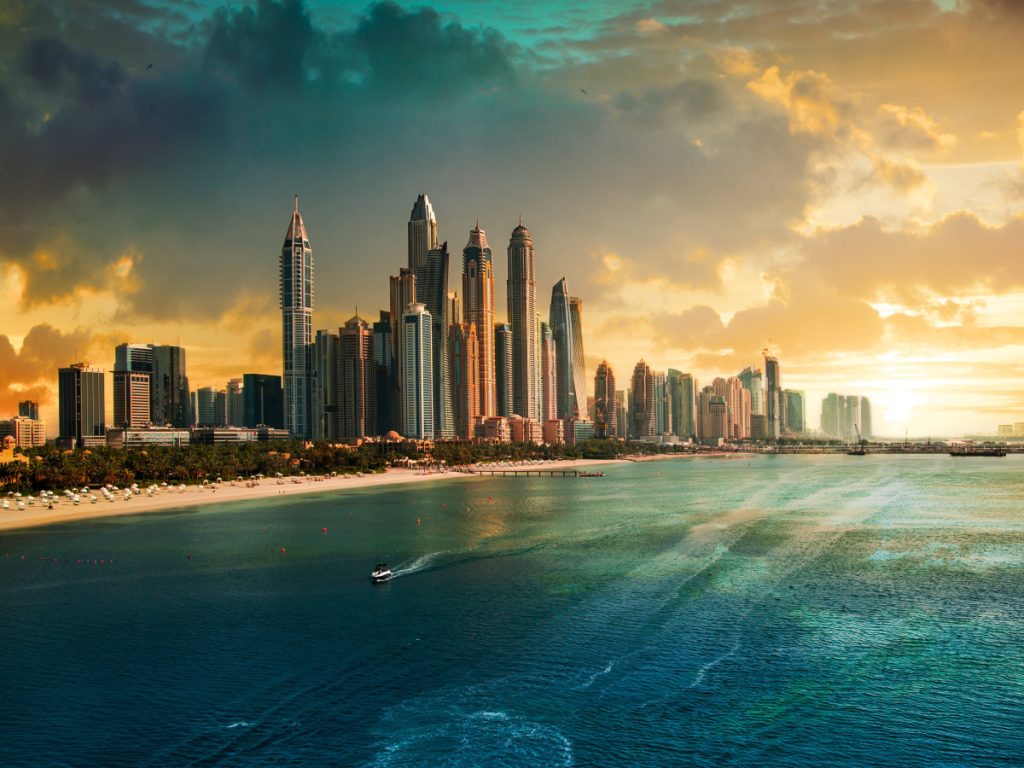
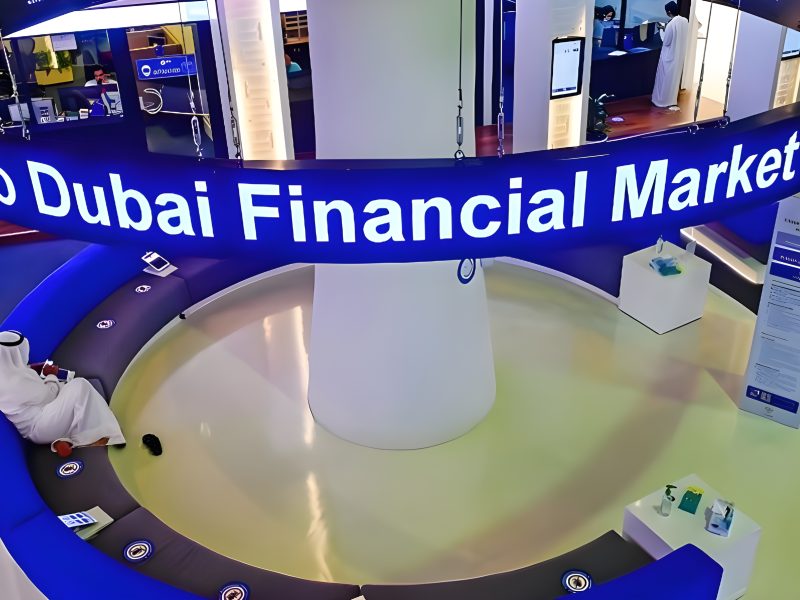
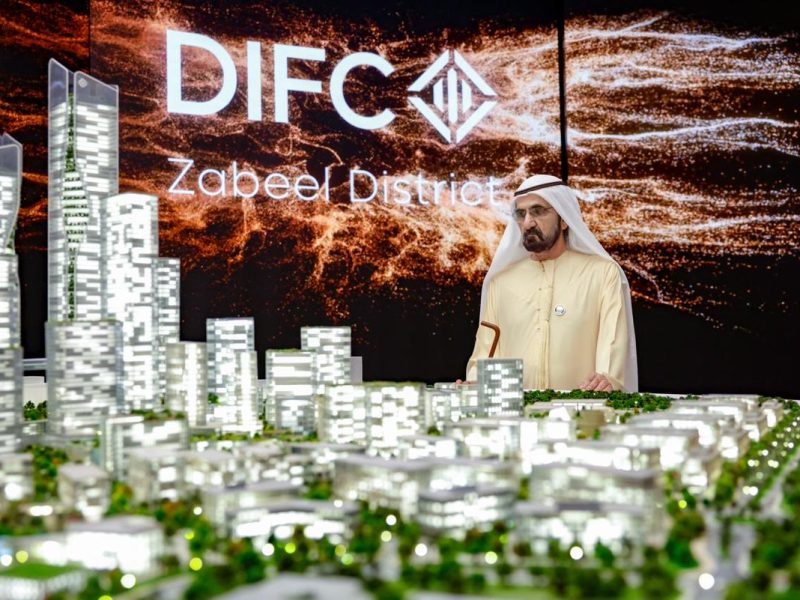
In the UAE, similar diversification efforts have been longstanding, with major cities such as Dubai and Abu Dhabi being frontrunners in spearheading these reforms. The country has positioned itself as an international business hub with renowned infrastructure, regulatory bodies, a business-friendly environment, and a strategic geographical location.
The UAE’s non-oil business activity has been bolstered by similar sectors of real estate, tourism, finance, and technology. The successes of global events such as the Dubai Expo 2020 and COP28 have displayed the country’s capabilities in hosting large-scale international events. The UAE has established various free zones, tailored explicitly in terms of infrastructure and regulation, to support their respective industries. It has provided the perfect business-friendly environment for like-minded businesses to thrive. Recent strides in technological innovations and regulations have seen the country at the forefront of attracting global investors, entrepreneurs, and multinational corporations looking at developing new technologies such as Artificial Intelligence (AI). The UAE’s non-oil activity currently accounts for an impressive 70% of its GDP.

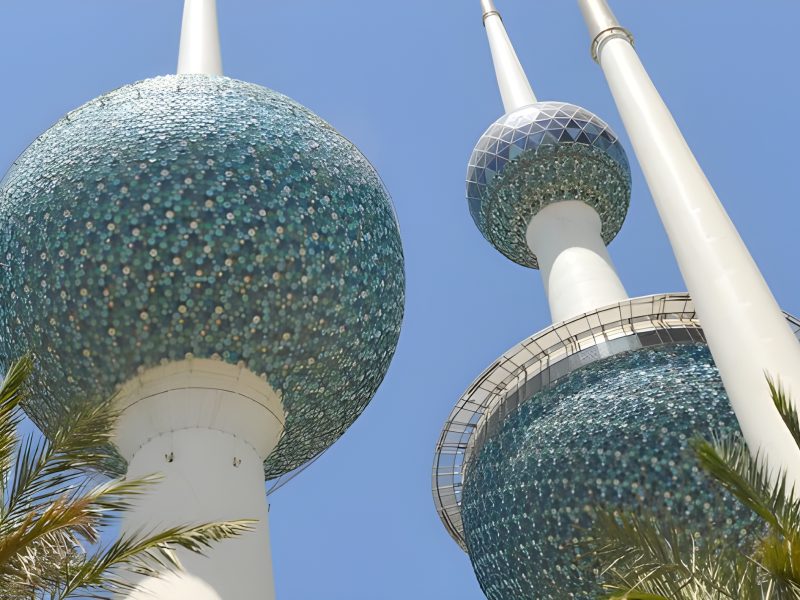
The economic diversification of these major regional economies into non-oil business activities has provided a positive example to the other neighbouring nations in the region with similar economic histories, inspiring reflective reforms and initiatives. Kuwait has embarked on its own Vision 2035 initiative, focusing on transforming the country into a financial and cultural hub. With investments into its infrastructure, education, healthcare and renewable energy, aiming to create a more diverse and knowledge-based economy. Egypt, which has strong economic ties with Gulf states, has also been implementing initiatives to boost its tourism, agricultural, and technology industries, attracting significant investment from GCC countries and aiming to move away from oil and gas reliance.
The GCC region presents a plethora of business opportunities, particularly for those aligning with these growing sectors. While each country has its own set of regulations and policies, similarities can be found and certain incentives associated with these growing markets can be encountered, which further makes the region an attractive business hub, such as tax incentives, business incubators, and accelerators.
Successful initiatives in these countries to diversify their economies enhance their economic resilience, assist other regional nations, and set an international example for innovative economic transformation strategies. Understanding these initiatives and economic reforms can provide substantial growth opportunities and a pathway for a positive trajectory across multiple sectors.