Rewind to the early 2000s and Dubai was in its urban growth era: double digit economic growth and a wave of lucrative expatriate visa packages.
With growth and labour demand, came real estate ventures: most of which were successful. Yet the few that went bust, were typically the most adventurous and biggest.
A Typical Project of Misadventure
The World Islands project failed from the get-go.
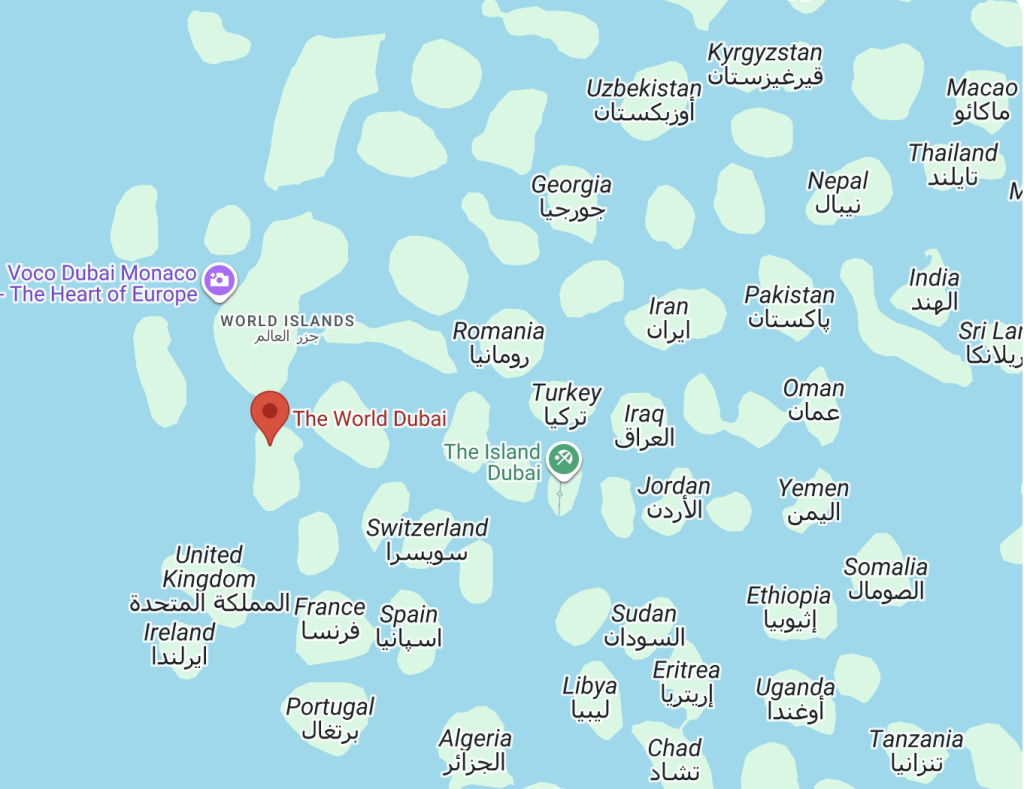
Designed by the world map, dredgers worked through the night to redraw the coastal waters off Dubai into something afloat.
It promised high-end investors a piece of the world, literally, without the need to travel by private jet across customs or borders. Instead, you could live in France by day and by night cruise over to Downtown within 10 minutes.
The idea of access, tied in with Dubai’s notorious node to luxury, epitomised the UAE economy at the time. Dubai’s coastline only stretches 72kilometres, so its expansion was financial as much as it was strategic.
Market Went South
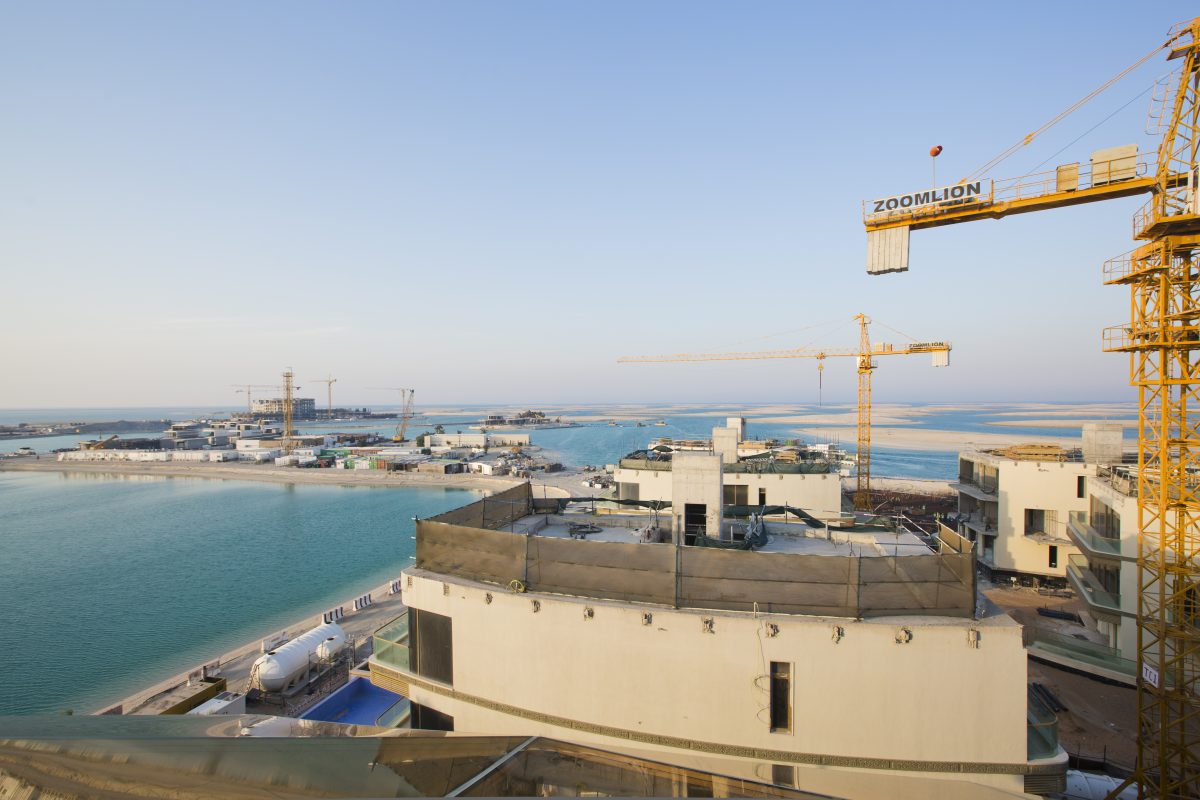
However, the world map faced an economic crisis – one confined to those oil-rich countries on the map. In 2008, the financial crisis cut oil prices from $140 to just $40 per barrel affecting the government and its sponsor – Nakheel Properties – to finish the project,
Hotels became empty sand mounds and pontoons became stopping points to reminisce the remains of a derelict project, it seemed.
Yet Nakheel Properties were handed $10B to prevent the collapse. By 2008, the project was 60% complete despite the crash.
Recovery in Site: Dubai’s Maldives
Fast forward two decades and the project is back from the dead.
Anantara’s luxury resort opening earlier this year signalled renewed interest in the project, something of a respite for the Emirati government.
Situated on Clarence Island, part of ‘South America,’ Anantara is offering villa-to-beach access without the three hour plane journey to the Maldives. Such exclusivity has attracted celebrities, influencers, and royal families seeking an escape to the Gulf without the city traffic, humid air, and pollution.
A Buzz Bigger than Anantara, The Heart of Europe
The buzz of Anantara is pushing new continents to emerge.
The Heart of Europe is seeing new investment in real estate; Voco Dubai Monaco opened and the InterContinental’s emergence in Dubai’s Europe is coming by late 2027.
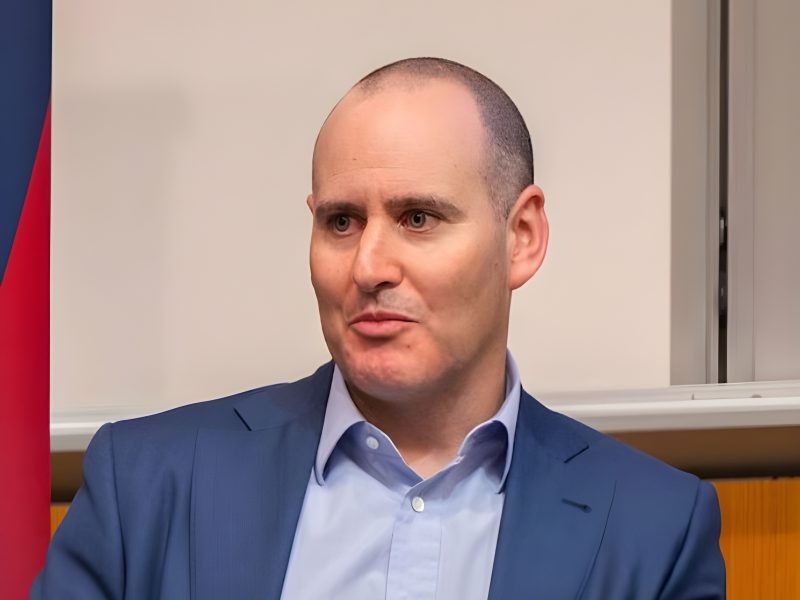
The CEO of the Kleindienst Group, Josef Kleindienst, is leading the venture as one of Europe’s leading real estate developers in the UAE. The
The centre is designed by HWKN Architecture, with a active push on a Mediterranean ambiance alongside ESG.
“Zero discharge was almost impossible on an island tourism destination and unthinkable a few years ago. However, it is becoming a reality now, thanks to the development of environmental engineering and technology. We are now able to achieve zero discharge at the Heart of Europe,” Josef Kleindienst, Chairman of Kleindienst Group, told Construction Week.
Yet any taste of the Dolce Vita won’t arrive until 2027.
Investor Interest
Investors could be interested in the Islands given the extreme exclusivity and long-term assurances by the government to the Island project.
Real estate here offers limited future supply, confined to the archipelago, Dubai accessibility without needing air travel and Dubai’s future growth plans locked in alongside Dubai South and Al-Maktoum International.
Together, investors will likely determine the real estate investment by choosing the right island with the right development. Europe’s re-emergence, following the Anantara, is likely to sustain further property investments analysts say.
The World Islands signals a revived interest in Dubai’s ultra-adventurous tourism landscape. Once a vanity project, luxury real estate investors should keep their eyes on this archipelago going into 2026.
Stay Up to Date with the Latest Updates at Finance ME!
Bahrain Achieves 10% Increase in 2025 World Bank GovTech Maturity Index
From Tech Concentration to Infrastructure Hedge Funds: J.P. Morgan’s 2026 Outlook for GCC Investors
Visa and ALDAR Launch First Voice-Enabled Agentic Payments in the Region