For generations, wealth has been measured by what can be owned, valued and transferred: equity, property, investments, intellectual property and cash generating businesses.
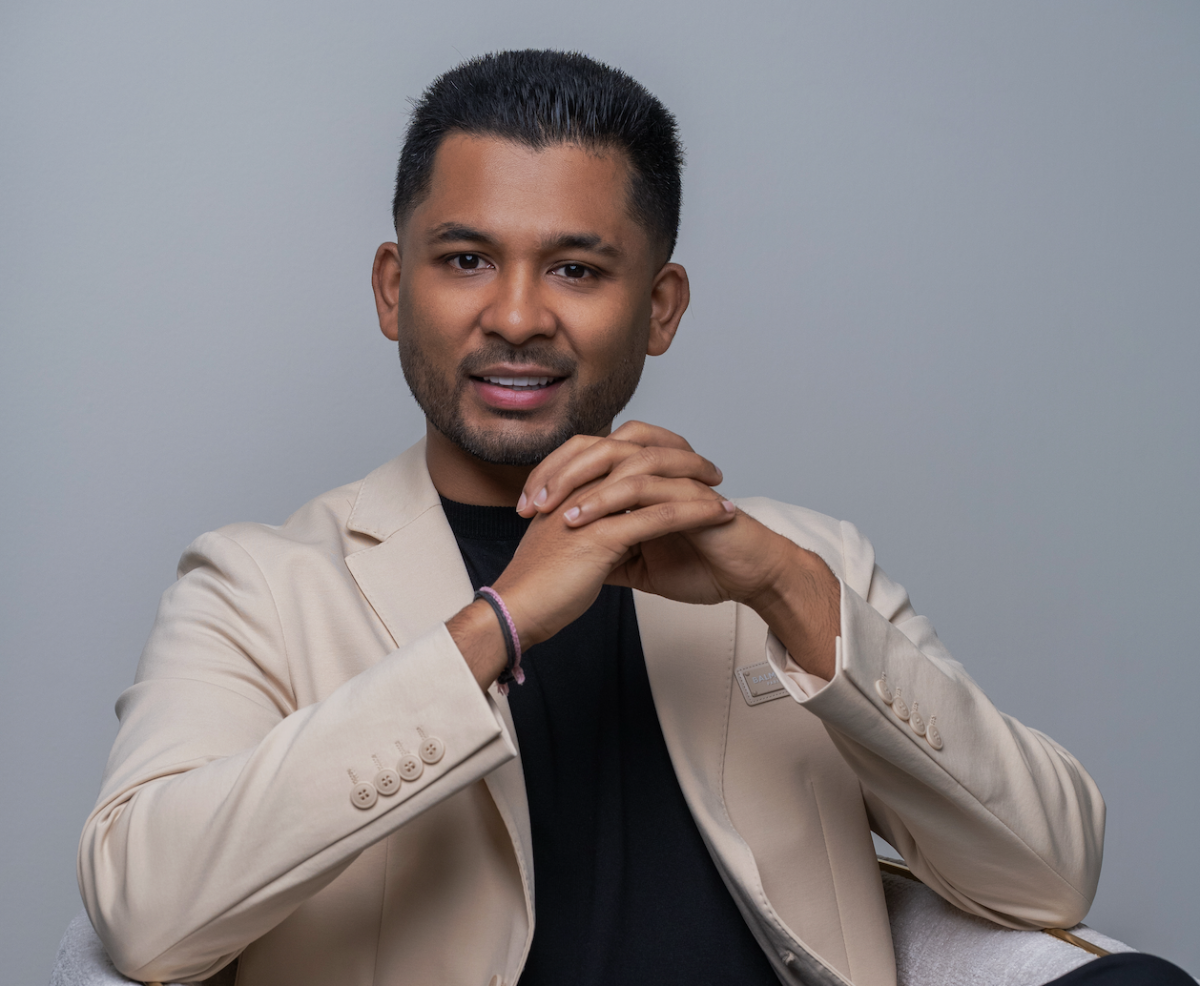
Yet the founder and CEO of TMS Holdings and CredibilityX Sashin Govender believes many entrepreneurs are overlooking an asset that may influence the value of almost everything else they build: their name.
Personal branding has moved far beyond social media, followers or visibility. For founders, investors and executives, reputation can function as a form of economic leverage. A trusted name can open conversations, shorten sales cycles, attract talent, create partnerships and bring opportunities to the table before a formal introduction has even taken place.
It may never appear as a line item on a balance sheet, but its commercial consequences can be very real. In the Gulf, where trust and relationships is everything: brand name often equates to net worth.
Shift in Trust
There is a broader shift in trust taking place alongside it.
Business leaders today operate in an environment where stakeholders can research them instantly and form an opinion before ever entering a boardroom with them.
The 2025 Edelman Trust Barometer examined trust across 28 countries, while separate Edelman research into executive positioning has found a relationship between CEO awareness and trust.
In an economy increasingly shaped by information, credibility is becoming something leaders must actively build rather than simply assume comes with their position.
Referral and AI Driven Research
Govender has spent more than a decade building businesses around the intersection of media, reputation and authority. Through his Dubai headquartered media company – CredibilityX – Sashin works with entrepreneurs, executives and companies seeking to strengthen how they are understood across traditional media, Google and increasingly artificial intelligence platforms.
His argument is simple: when someone hears your name for the first time, the next meeting can happen without you ever being in the room. They search your name, study your company, read what others have written and increasingly ask AI platforms who you are. What they discover can influence what happens next.
South Africa to Dubai
Govender’s conviction in personal branding, however, predates his firm under his holding company: TMS Holdings.
He began deliberately building his name at 18, long before personal branding became a mainstream business strategy. Since then, he has written three bestselling books, spoken on stages across six continents to cumulative audiences exceeding one million attendees and, in 2019, hosted what he says became Africa’s number one business podcast. Alongside that public profile, Govender built a portfolio of companies under TMS Holdings that he says has generated more than $5B in cumulative sales.
For Govender, the relationship between those two journeys has never been accidental. He did not begin building a personal brand after becoming successful; he built his businesses and his name in parallel. That experience underpins his conviction that an entrepreneur’s reputation, accumulated over years and carried from one venture to another, can become one of their most enduring commercial assets.
The Economics of a Name
Some of the world’s most recognisable entrepreneurs illustrate the principle in different ways.
Richard Branson became almost inseparable from Virgin, using his personality and public profile to tell the story of a business group that expanded across multiple industries.
Gary Vaynerchuk represents a more digitally native version. While building VaynerMedia and later VaynerX, he simultaneously developed a media ecosystem around his ideas, books, speaking and content, with his official biography now reporting more than 44M followers across social platforms.
The lesson is not that every chief executive needs millions of followers. Govender believes that interpretation misses the economics of personal branding entirely.
The objective is not necessarily to become famous; it is to become known, respected and credible among the people capable of affecting the future of your business.
For the chief executive or chief financial officer of an investment firm, that audience might include institutional investors, family offices and entrepreneurs. For a property developer, it could be capital partners, buyers and government stakeholders. For a technology founder, it may include investors, engineers, prospective employees and customers.
Ten thousand relevant people who understand what someone represents can be considerably more valuable than a million people who merely recognise their face.
Building Authority, Not Attention
This distinction shapes how firms should approach their personal branding.
Rather than treating a founder’s Instagram or LinkedIn account as the entire brand, the company looks at the wider information ecosystem surrounding an individual or business: media coverage, search results, thought leadership, social platforms, third party credibility and, increasingly, the information surfaced by artificial intelligence.
AI Optimised Results
That final component is becoming difficult for executives to ignore. Discovery is no longer confined to a traditional Google results page. Consumers and decision makers increasingly use generative AI to research businesses, compare alternatives and summarise information.
Edelman’s 2025 brand research found that 55% of respondents across 15 markets used generative AI platforms, and among those users, 91% said they used them in some way while shopping.
The implication extends beyond consumer products: the digital information surrounding a person or company is increasingly being interpreted and repackaged before the individual ever encounters the original sources.
Building a serious personal brand begins with substance rather than publicity says Govender. A founder needs a clearly defined area of authority, a perspective worth listening to and evidence of execution. From there comes deliberate communication: publishing intelligent perspectives, earning credible media coverage, participating in relevant conversations, documenting achievements and building a body of information that accurately represents who that person is and what they have accomplished.
Consistency matters because reputation compounds. One achievement rarely creates authority, just as one podcast, viral video or conference appearance rarely creates enduring trust. Years of credible third party coverage, useful ideas, documented achievements and consistent positioning, however, can create a body of evidence that follows an entrepreneur into future companies, investments and partnerships.
There is an equally important warning. Personal brand cannot permanently compensate for a weak business, poor governance or an absence of results.
Visibility magnifies what already exists, and greater recognition can increase reputational risk just as quickly as it creates opportunity. The strongest personal brands therefore sit on top of performance, not instead of it.
For Govender, this is ultimately why personal branding belongs in a conversation with finance leaders. Capital creates leverage. Technology creates leverage. Distribution creates leverage. Credibility can create leverage too. Unlike many business assets, however, reputation can remain attached to the individual even as companies, markets and industries change.
A founder can sell one company and start another. Products can become obsolete, markets can turn and entire industries can be disrupted. But a name that has accumulated trust over decades can travel between ventures, opening doors long after the business through which that reputation was first created has changed.
The most valuable asset an entrepreneur builds may not always be the easiest one to value, and it may never appear on a balance sheet. Yet in an economy increasingly built around trust, information and reputation, the name above the business may eventually become almost as valuable as the business beneath it.
Stay Up to Date with the Latest Updates at Finance ME
EDGE’s Rodrigo Torres on Risk, Sovereignty and Defence Finance in a Multipolar World
ADNOC Distribution’s Ali Siddiqi: “Growth, Growth and Growth”