Standard Chartered is backing global equities and gold as core portfolio drivers for the second half of 2026, arguing that investors in the UAE and wider Middle East remain well positioned despite a more complicated market environment.
The bank’s Wealth Solutions Chief Investment Office has released its Global Market Outlook for H2 2026, setting out a strategy built around continued exposure to risk assets, selective fixed-income opportunities and portfolio diversification. The report was launched at events in Dubai and Abu Dhabi this week, marking the bank’s first regional outlook events for the second half of the year.
Standard Chartered’s CIO expects risk assets to remain supported by a soft-landing macroeconomic backdrop, although it warned that investors will need to manage four major pivot points in the coming months: energy prices, equity supply, investor positioning and central bank policy.
For UAE investors, the regional backdrop remains comparatively constructive. Stable oil markets, strong domestic liquidity and easing geopolitical risk premiums following an interim US-Iran agreement are expected to support sentiment and investment activity. The Middle East’s continued push into diversification, capital markets development and private wealth growth also provides a supportive base for internationally allocated portfolios.
Against that backdrop, Standard Chartered remains overweight global equities, with a preference for the US and Asia ex-Japan. The bank sees further upside in major asset classes, setting a mid-2027 target of 7,950 for the S&P 500 and $5,100 for gold. That positioning reflects a view that equities remain a primary growth engine, while gold continues to serve as a strategic hedge in portfolios exposed to geopolitical and inflation risks.
Global equities have already risen more than 12 percent year-to-date, according to the bank, supported by strong corporate earnings and optimism around artificial intelligence. That momentum has held despite geopolitical tension, higher oil prices and elevated bond yields.
In the Middle East, oil remains central to the investment equation. While the interim US-Iran agreement could ease supply constraints and reduce some pressure on prices, Standard Chartered said the recovery in physical flows and the rebuilding of inventories are likely to take time. That means energy prices may not quickly return to levels seen at the start of the year, with implications for inflation expectations, government revenues and asset allocation across the region.
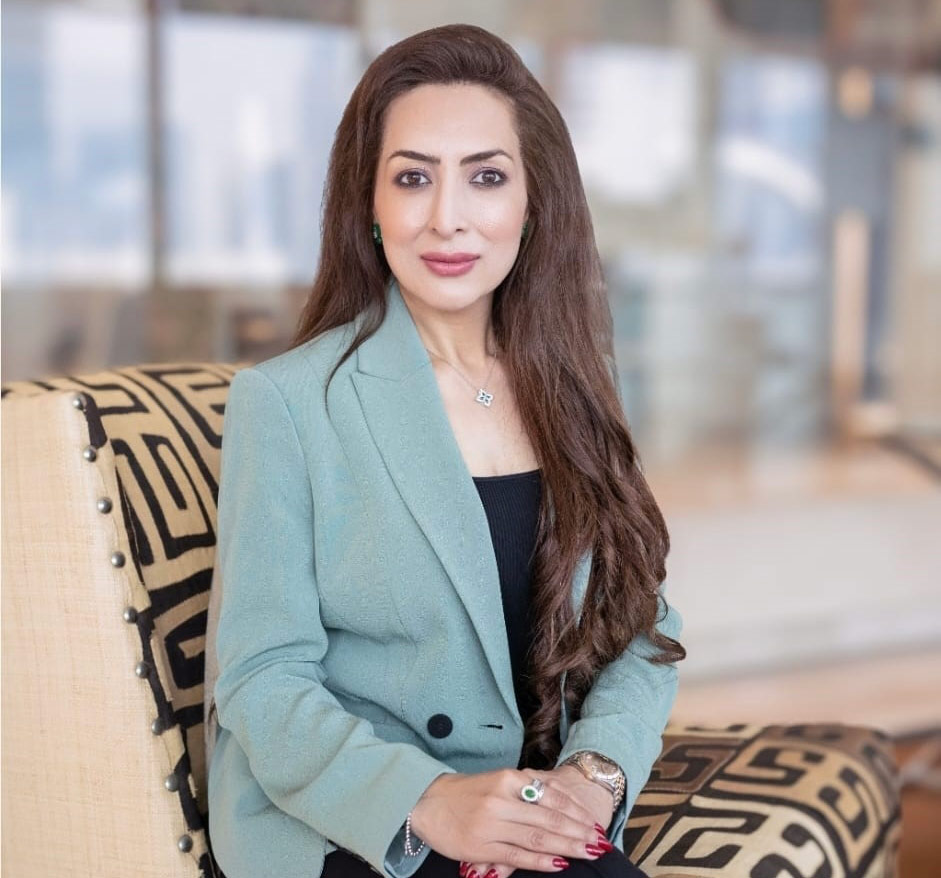
Ayesha Abbas, Managing Director and Head of Affluent and Wealth Solutions, Europe, Middle East and Africa, and UAE at Standard Chartered, said UAE investors are entering the second half of the year from a position of strength.
“The region continues to benefit from supportive liquidity conditions and the stabilisation of oil markets,” Abbas said. “In this environment, we are seeing strong demand for diversified portfolios that balance growth opportunities in global equities with income strategies such as Emerging Market USD bonds, alongside gold as a strategic hedge.”
For internationally minded clients in the UAE, she added, staying invested and well diversified will be key to capturing opportunities as markets evolve.
While the second half of 2026 may require more tactical decision-making, Standard Chartered sees enough support from earnings, liquidity and regional fundamentals to keep investors exposed to growth. For the UAE’s private wealth market, that means the focus is likely to remain on global diversification, income generation and hedging against volatility rather than retreating from risk altogether.