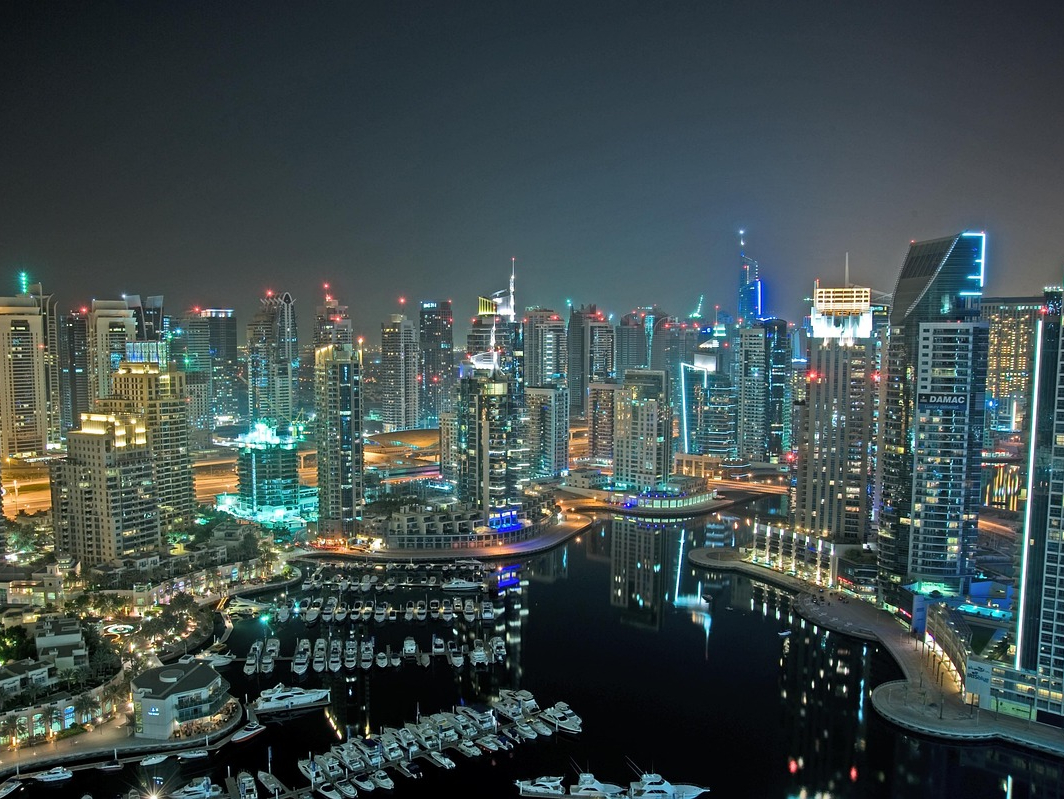
Dubai’s real estate market has long been at the forefront of innovation, offering visionary developments that reflect the city’s ambition to stay ahead of global trends. Today, another quiet revolution is underway, one that promises to redefine how property is owned, traded, and experienced.
Tokenisation represents a fundamental shift in real estate. It is not merely a technological trend but a catalyst for making property ownership more accessible, liquid, and transparent.
What is real estate tokenisation?
At its core, tokenisation is the process of converting real estate assets into digital tokens on a blockchain. Each token represents a fractional share in a property, giving investors the ability to buy, sell, and trade their stakes more easily than through traditional channels.
This model offers clear advantages over conventional real estate investment. By leveraging blockchain’s inherent transparency and security, tokenisation lowers entry barriers, automates compliance, and enables peer-to-peer transactions without lengthy paperwork or intermediaries. For a dynamic market like Dubai, home to investors from more than 200 nationalities, these benefits are especially compelling.
Making ownership more accessible
For decades, real estate has been seen as the domain of large, often institutional investors. Tokenisation is changing that by democratising ownership and opening opportunities to a broader pool of investors, from millennials seeking alternative assets to international buyers looking for a foothold in Dubai’s thriving market.
By lowering the minimum investment threshold and enabling fractional ownership, tokenisation makes prime property, even in luxury developments, more attainable. This inclusivity aligns with Dubai’s vision to attract a new generation of global investors.
Unlocking liquidity in a traditionally static market
In May 2025, Dubai’s real estate market achieved a record-breaking Dh66.8 billion ($18.2 billion) in sales across 18,700 transactions, reflecting a 44% year-on-year increase. This surge underscores the growing investor confidence and the market’s readiness for innovative solutions like tokenisation.
A core challenge in real estate has always been the limited flexibility in accessing invested capital. Buying or selling property is a time-intensive process, and large capital outlays make it difficult to move quickly. Tokenisation addresses this by enabling investors to trade tokens on secondary markets, providing liquidity in what has traditionally been a static asset class.
This flexibility benefits everyone. Developers gain access to a broader investor base, sellers can unlock value faster, and investors can adjust portfolios in response to market dynamics. In a fast-moving city like Dubai, this agility is invaluable.
Transparency and trust through blockchain
Perhaps the most transformative aspect of tokenisation is the trust it instills. Blockchain technology ensures that every transaction is recorded on an immutable ledger, creating transparent, secure records of ownership and compliance.
This reduces the risk of fraud and increases confidence among buyers, sellers, and regulators. Dubai has already made significant strides in this area through various initiatives. A notable example of tokenisation’s efficiency is the Dubai Land Department’s recent project, which was fully funded in just under two minutes, attracting 149 investors from 35 countries. This rapid engagement highlights the global appeal and trust in blockchain-based real estate transactions.
Dubai as a global testbed for tokenised real estate
Dubai’s forward-looking regulatory environment and rapid adoption of blockchain technology make it the ideal setting for tokenised property. The Virtual Assets Regulatory Authority (VARA) has laid the groundwork for blockchain-enabled financial instruments, and the Dubai Land Department continues to invest in smart contracts and blockchain platforms.
While some preliminary projects are already underway, the real impact of tokenisation is yet to be fully realised. The UAE’s commitment to being a leader in the digital economy is set to contribute Dh140 billion to the country’s GDP by 2031. This provides a strong policy foundation for tokenised real estate to thrive.
Challenges and considerations
Of course, no innovation comes without challenges. Regulatory clarity around how tokenised assets are classified and taxed is still evolving. Investors need to be educated about the risks and mechanics of digital tokens. At the same time, robust cybersecurity and digital infrastructure are essential to maintaining trust and stability.
What this means for the future
Tokenisation is more than just a financial innovation, it is a step toward a more open, agile, and technology-enabled real estate market. By making ownership more inclusive, improving liquidity, and reinforcing trust, tokenisation aligns perfectly with Dubai’s ambitions to lead in both real estate and digital transformation.
For developers, it offers a new way to fund projects and engage with a wider audience. For investors, it opens doors to high-value assets that were previously out of reach. And for the market as a whole, it creates a foundation of transparency and resilience.
In the future, tokenisation will become an integral part of how property is bought, sold, and owned, not just in Dubai, but globally. For now, the UAE remains at the vanguard of this exciting shift.