Saudi Arabia invested $26.7 billion in tourism destinations and infrastructure in the first nine months of 2023. The investment is part of Saudi Arabia’s Vision 2030 plan, which aims to diversify the country’s economy, society and culture. Central to this plan are several ultraluxury projects on the Red Sea coast, spearheaded by Red Sea Global (RSG), a developer wholly owned by Saudi Arabia’s Public Investment Fund (PIF).
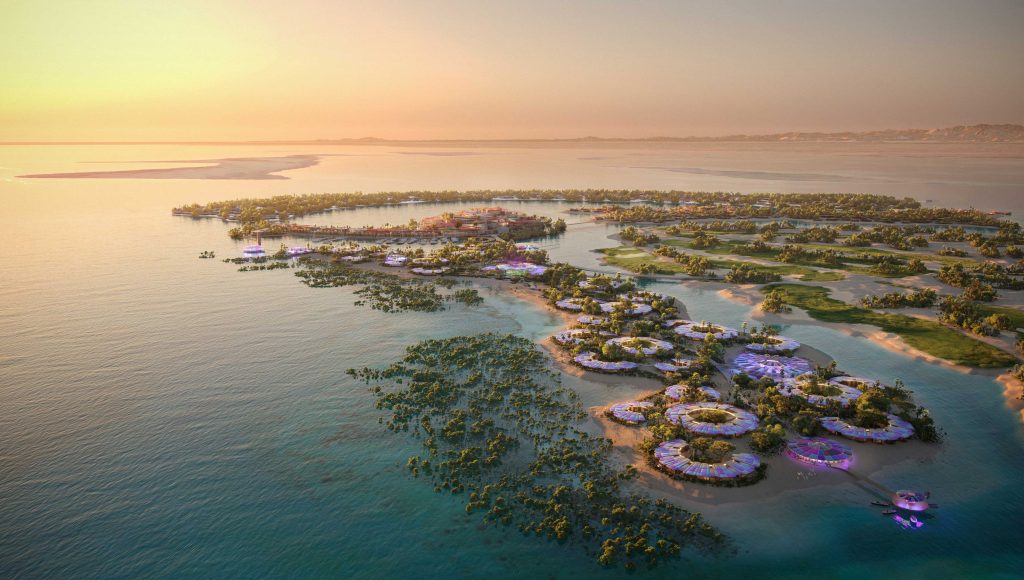
RSG is developing two major “giga projects”—The Red Sea destination and the Amaala destination. The Red Sea destination is a newly established luxury regenerative tourism site along Saudi Arabia’s west coast. It opened to guests last year and is set to feature 50 hotels, 8,000 rooms, up to 1,000 residential properties and its own international airport by 2030. Red Sea International Airport (RSI) now operates domestic flights to and from Riyadh and Jeddah, as well as international flights to and from Dubai. Meanwhile, Amaala is being developed as a luxury tourism destination in Northwestern Saudi Arabia, about 150 miles down the Red Sea coast. It aims to become one of the world’s premier luxury wellness and sports retreats.
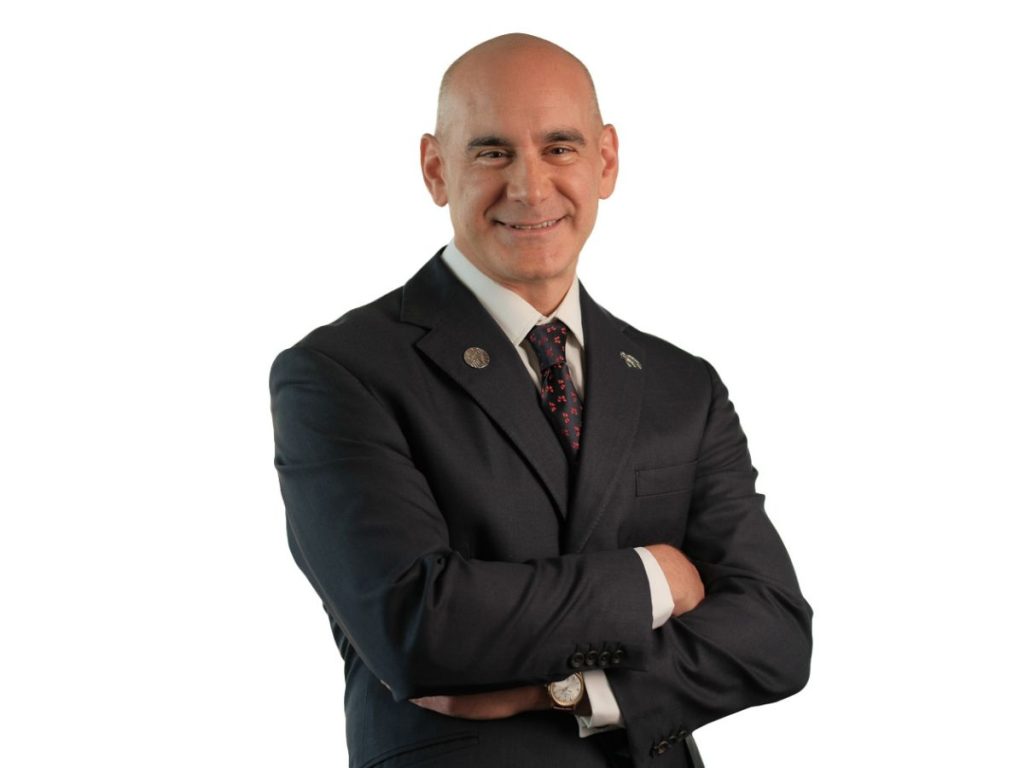
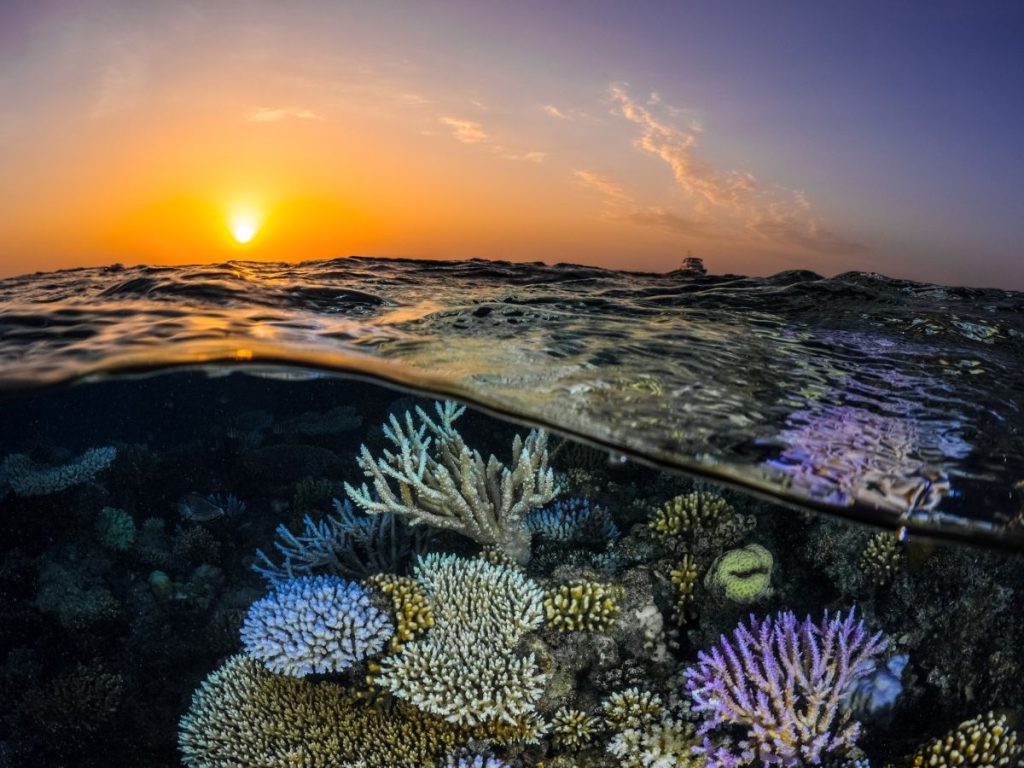
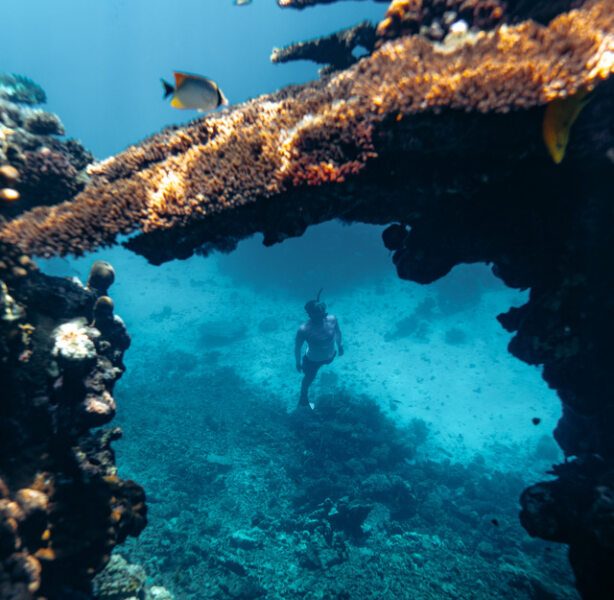
“At Red Sea Global, our driving belief is that sustainability is no longer enough and we should strive for regeneration,” said Gregory Djerejian, Group Head of Investments and Group Chief Legal Officer at Red Sea Global. “Our guests can visit our destinations knowing that they are supporting our ambition to achieve a 30% net conservation benefit by 2040.” To help fulfil this, RSG has been developing a number of nature-based initiatives, such as enhancing biologically diverse habitats, including algae, seagrass and mangroves.
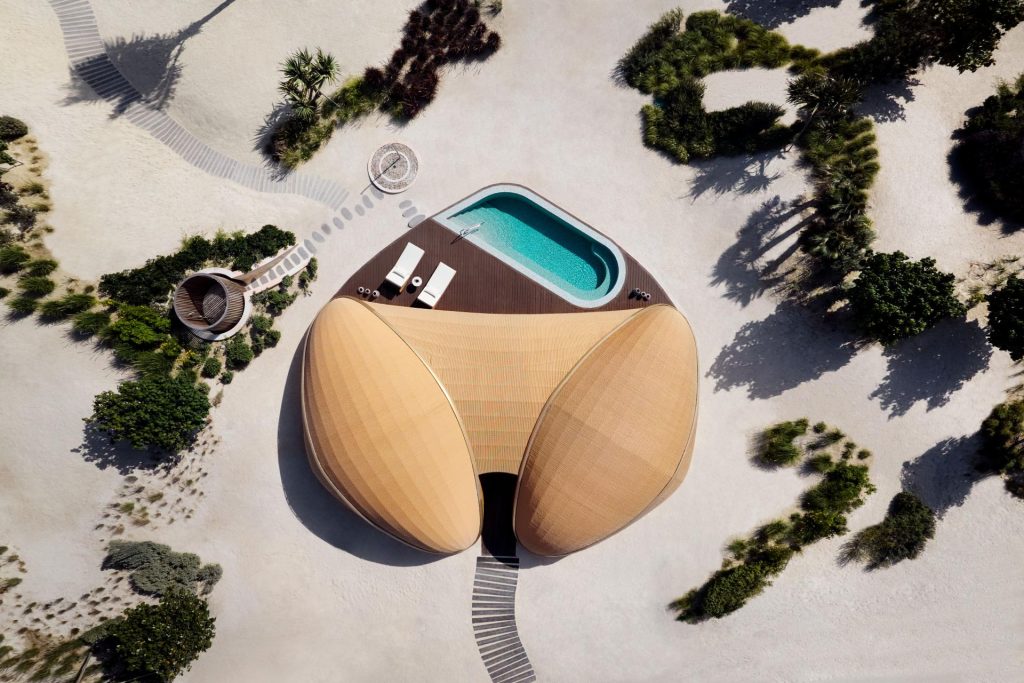
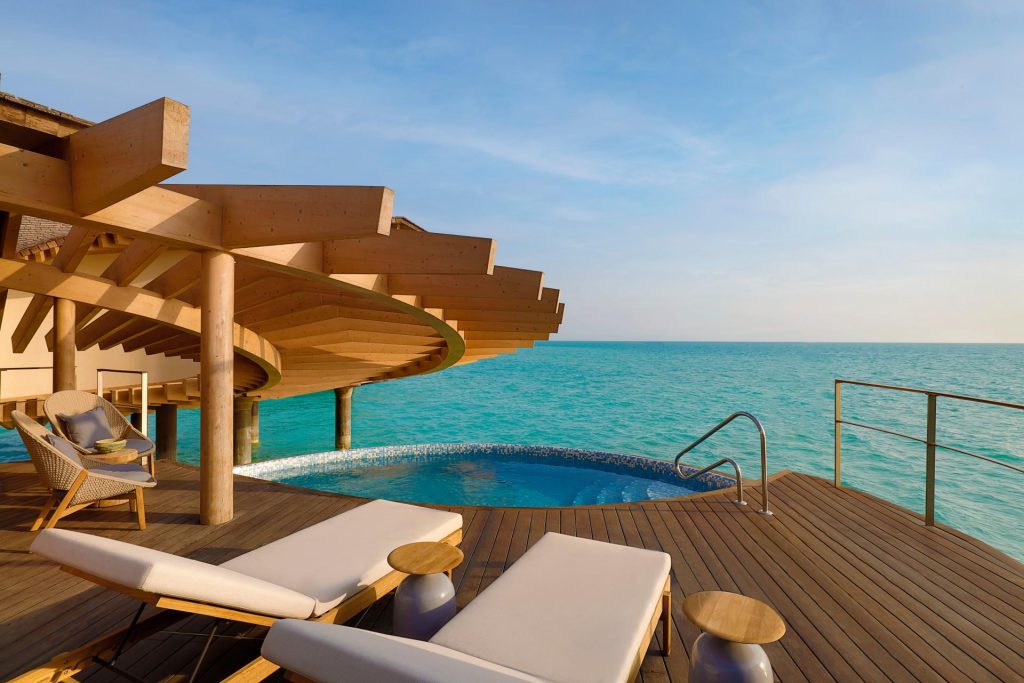
“Over the past 12 months, we have made remarkable strides on the road to putting Saudi Arabia on the global tourism map,” Djerejian told Finance Middle East. “We are no longer just building amazing resorts; we are operating them too. Our first three resorts have opened to guests: Six Senses Southern Dunes, The Red Sea; The St Regis Red Sea Resort; and Nujuma, A Ritz Carlton Reserve.”
The developer has completed the installation of more than 760,000 photovoltaic panels at The Red Sea and built one of the world’s largest battery storage facilities, with a capacity of 1,300 Megawatt hours. This infrastructure now powers the destination by sunlight day and night, including its hotels and supporting facilities, such as its zero-emission 5G network and Saudi Arabia’s largest off-grid EV charging network.
“Our commitment to excellence was recognised with the highest LEED score to date for The Red Sea Phase One Masterplan,” said Djerejian. “We received a Platinum LEED v4.1 Cities: Plan and Design accreditation from the US Green Building Council, with an outstanding score of 96 out of 110 points.”
The next milestone
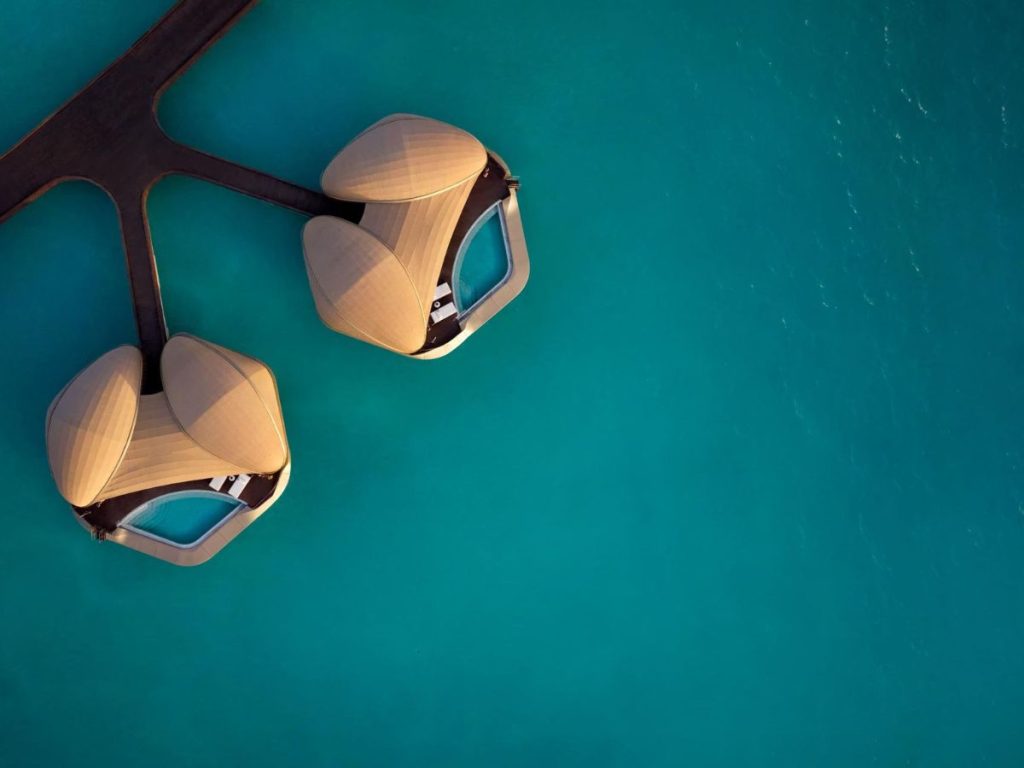
In the coming years, the developer is set to welcome its first guests to most of its projects. Djerejian confirmed that RSG’s new destination, Thuwal Private Retreat, a private island destination, and Desert Rock, RSG’s hotel built into the mountainside, will open its doors to first guests later this year. Shebara, RSG’s resort featuring the iconic stainless-steel orbs that the developer will operate, is also set to open this year.
“We will be opening more hotels at The Red Sea,” confirmed Djerejian. “The Red Sea Phase One will see a further 11 hotels open next year at our hub island, Shura.”
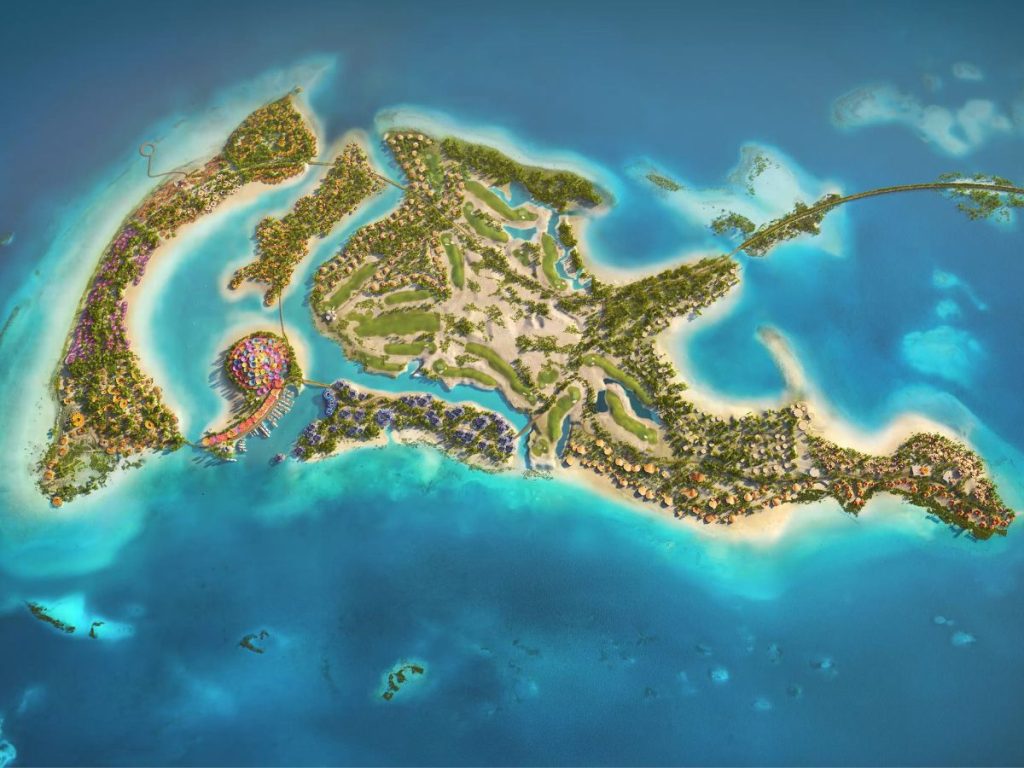
The developer’s Group Head of Investments told Finance Middle East that Saudi Arabia’s first 18-hole island golf course, also based on Shura, will be fully complete in 2025.
Amaala will also welcome its first guests next year, with eight resorts opening their doors. These will be complemented by high-end retail establishments, fine dining, wellness and recreational facilities. It will also be home to the Amaala Yacht Club and Corallium, RSG’s marine life institute, which will house various marine research operations and visitor experiences.
Added to this, Red Sea International Airport’s main terminal will be complete. “We are developing Red Sea International Airport (RSI) in two stages,” explained Djerejian. “Currently, all aircraft movements are processed through our air taxi terminal.
“In 2025, this terminal will become a dedicated seaplane terminal for our airline Fly Red Sea, and all commercial and general aviation will be handled by the new main terminal.”
The main terminal, set for completion in 2025, will increase commercial and private aviation capacity, accommodating up to one million guests annually by 2030. It will handle up to 125 arriving flights per week, ensuring flexibility for arriving guests and enhancing connectivity for the wider Red Sea region.
Investment and economic impact
The Red Sea is expected to contribute SAR 22 billion ($5.9 billion) to Saudi’s GDP annually by creating investment opportunities for the private sector and attracting a new type of traveller to Saudi, Djerejian noted.
Upon completion, The Red Sea will create around 70,000 jobs, while its second destination, Amaala, will contribute $3 billion annually to the nation’s GDP and create up to 50,000 jobs.
“Our projects present promising business opportunities, with the ability to leverage key strategic assets and drive economic growth and diversification as outlined by Vision 2030,” explained Djerejian. “So far, we’ve secured contracts across all procurement divisions totaling more than 12,000 agreements and valued at SAR 67.8 billion.”
He said that RSG has received growing interest from the investment community, particularly among ESG-focused entities, demonstrating private sector confidence in the long-term success of its destinations and appetite for the Kingdom’s Vision 2030. The developer’s first destination has been backed by four Saudi banks in the debt capital markets so far, including Banque Saudi Fransi, Riyad Bank, Saudi National Bank (SNB), and Saudi Awwal Bank (SAB).
“We’re continuing to witness strong appetite from private and third-party investors as well,” noted Djerejian. To date, RSG has signed two joint venture agreements—the first with Almutlaq Real Estate Investment Co. (AREIC) to develop Jumeirah The Red Sea, a luxury resort located on Shura Island at The Red Sea destination, with SAR 1.08 billion ($288 million) green financing provided by Gulf International Bank Saudi Arabia (GIB).
Last year, the developer also finalised an investment deal with Kingdom Holding Company (KHC), a leading global investment firm based in Saudi Arabia. The SAR 2 billion ($522 million) JV is debt-financed by Riyadh Bank and brings RSG and KHC together in a 50-50 partnership to develop and own the Four Seasons Resort Red Sea, also located on Shura Island.
In 2023, the megaproject developer said it was considering a potential initial public offering or a real estate investment trust as part of its future growth plans, set against the backdrop of the kingdom’s efforts to develop non-oil sectors. When asked about the talks of going public, Djerejian told Finance Middle East in an exclusive interview that “we contemplate an initial public offering and/or the establishment of a Real Estate Investment Trust (REIT) in due course”. He reiterated that, at the present moment, the developer is focused on the “success and ramp-up of its already open hotels, as well as continuing to deliver on its development pipeline. By the end of this year, Red Sea Global will have some six hotel assets already open.”
The next phases
The development of the Red Sea destination was planned in phases. Its first three resorts are now open, and a further 13 hotels are set to open throughout 2024 and 2025, marking the end of Phase One. By 2030, when the destination reaches full completion, it will be home to 50 hotels across the island and inland sites. The destination will also include luxury marinas, golf courses, entertainment, F&B, and leisure facilities.
Phase One of Amaala, focused on the Triple Bay masterplan, will be completed in 2025, consisting of eight resorts offering upwards of 1,200 hotel keys, 200 residential units, and premier golf courses, Djerejian confirmed. Once complete, Amaala will be home to more than 3,800 hotel rooms across 29 hotels, and more than 1,200 luxury residential villas, apartments, and estate homes, alongside high-end retail establishments, fine dining, wellness and recreational facilities.
“When we became Red Sea Global, we announced a growing portfolio of projects stretching along the Red Sea coast of Saudi Arabia,” he added. “Today we oversee approximately a dozen projects. These are in different phases, with some still under feasibility study, others entering masterplan competition phase, and others where construction has already started.”
Saudi Arabia’s ambitious Vision 2030 plan is rapidly transforming the country’s tourism landscape, with significant investments aimed at diversifying the economy and promoting sustainable development. RSG’s flagship projects exemplify this vision with innovative luxury and regenerative tourism on the Red Sea coast. With substantial progress already made, including the opening of several resorts, RSG is setting new standards in sustainable luxury travel. The ongoing development phases promise further economic growth, job creation and global recognition for Saudi Arabia as a premier tourist destination.