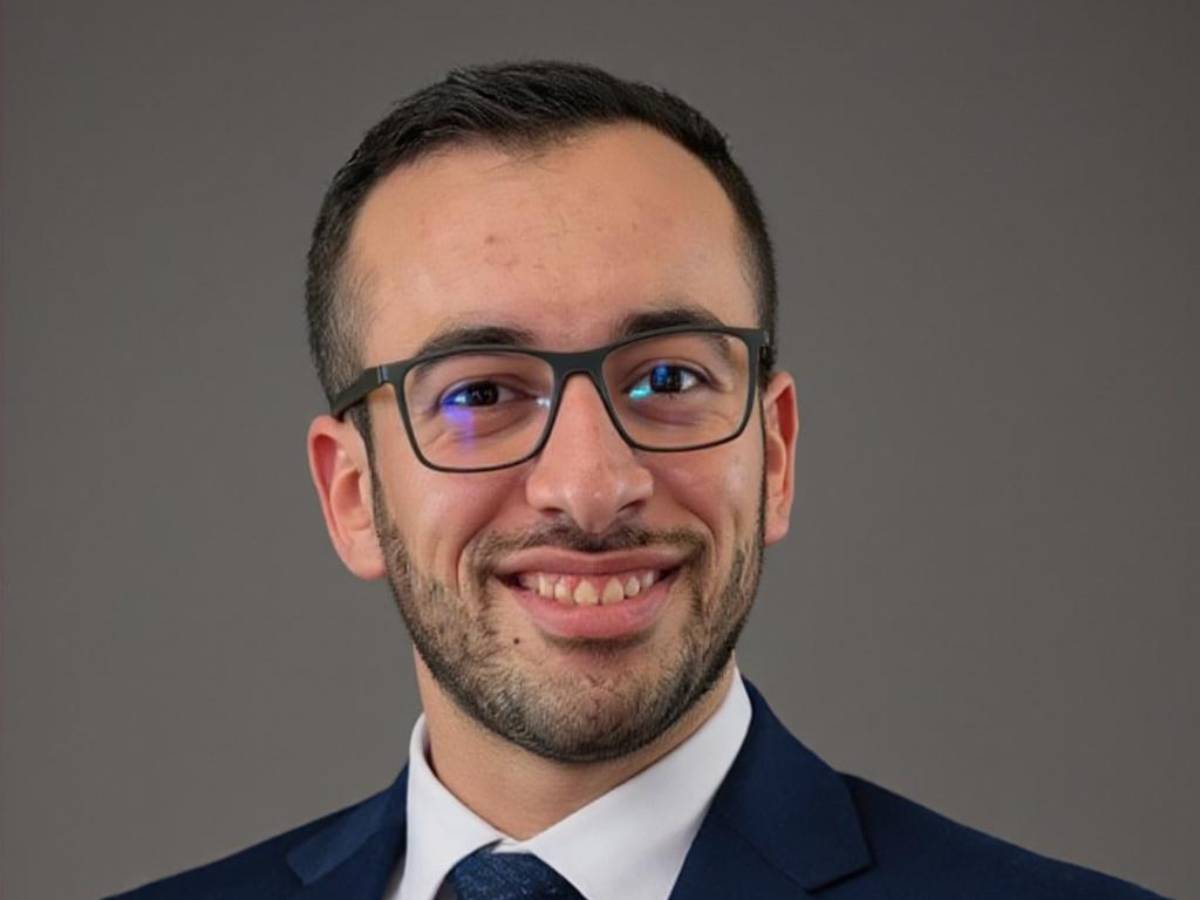
Ameen Abo Diak saw first-hand how schools in Palestine and Jordan struggled to provide modern science labs. That gap led him to create Jusoor Labs, an EdTech startup using virtual experiments to make science accessible and engaging. From a single idea in 2019, the company has grown into a regional player with more than 240 virtual labs, 100,000 active users and over five million experiments delivered. Now expanding into Saudi Arabia, Jordan and the US, Abo Diak shares how he built momentum, overcame early scepticism, and plans to make Jusoor Labs a leading EdTech force in the Middle East and beyond.
What drove you to join the startup world?
My entrepreneurial journey began with a simple yet powerful observation: schools across Palestine and Jordan struggled to provide modern, well-equipped science labs. As a Computer Engineering student, I realised technology could bridge this gap. In 2019, I founded Jusoor Labs with the vision of transforming science education through virtual labs. I was motivated not only by solving a clear problem but also by creating opportunities for students who would otherwise miss out on the joy of experimentation and discovery. The startup world gave me the freedom to innovate, build impact-driven solutions, and push the boundaries of what’s possible in education.
Why did you choose the Middle East as the place to start/expand the business?
The Middle East has a unique combination of challenges and opportunities. With a very young population, governments investing heavily in education, and a strong push toward digital transformation, the region is ready for innovation. We started in Palestine and Jordan because we deeply understood the ecosystem and its needs. Our expansion into Saudi Arabia was strategic — it’s the largest education market in the region, and its Vision 2030 agenda prioritises EdTech and digital solutions. The Middle East is not just our home; it’s where our solution can make the most immediate and meaningful impact.
How would you describe the region’s startup scene in three words?
Resilient, ambitious, transformative.
Is there something that has surprised you in your journey?
Yes — the speed of adoption. Initially, I thought it would take years to convince schools that virtual labs could complement traditional science labs. Instead, we saw teachers, principals, and ministries embrace our solution quickly. During the pandemic, adoption accelerated, but even post-pandemic, the demand didn’t decline — it grew. What surprised me most was how open schools were to innovation once they saw the tangible impact on students.
What are (in your view) the keys to approaching investors successfully?
I’ve learned that three elements matter most: (1) Clarity of vision — you must communicate where you’re going and why. (2) Evidence of traction — numbers, case studies, and testimonials show the solution works. (3) Authenticity and resilience — investors bet on founders as much as ideas. Being honest about challenges and showing how you adapt builds credibility.
What was the most challenging part of raising funding and how did you overcome it?
The hardest part was overcoming scepticism. Many investors questioned whether an EdTech startup born in Palestine and Jordan could scale regionally or globally. We overcame this by securing contracts with schools in Saudi Arabia and Jordan, demonstrating clear traction and revenue growth.
Government-backed programs like MBRIF are crucial because they go beyond funding. They provide mentorship, credibility, and market access. For us, MBRIF has been instrumental in connecting us with investors and decision-makers and in validating our business model at a regional scale. These initiatives reduce barriers, support scaling, and provide startups with the confidence to grow beyond borders.
What is the best piece of financial advice you have received?
“Raise before you need it.” Cash flow is oxygen for startups. If you wait until you’re desperate, you lose leverage and spend more time negotiating than building. Planning and raising when you’re strong gives you room to grow and focus on execution.
What has been your biggest success and your biggest failure?
Our biggest success is the impact Jusoor Labs has created: more than 240 virtual science labs, over 5 million experiments played, and partnerships with 100+ schools across the region. Watching students explore science safely and interactively through our platform is our proudest achievement.
Our biggest failure was choosing the wrong partner early on. We rushed into a distribution agreement in a new market without proper alignment, which cost us time and resources. It was a hard lesson, but it taught us to choose partners carefully, ensuring that values and goals align.
What is the best quality a leader can have?
Empathy. A good leader listens and understands — whether it’s the team, customers, or stakeholders. Empathy allows you to build trust, create collaborative environments, and inspire people to give their best.
Where would you like to be in five years’ time?
In five years, I envision Jusoor Labs as the leading EdTech company in the Middle East, serving over 1 million students, expanding into African and Asian markets, and pioneering the integration of VR, AR, and AI into classrooms. I hope to be a role model for young entrepreneurs, proving that a startup from Palestine can scale globally and inspire the next generation of innovators.