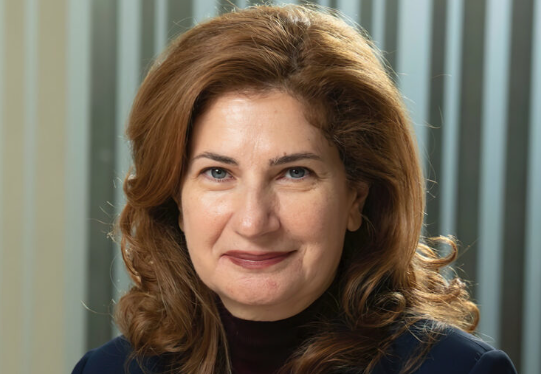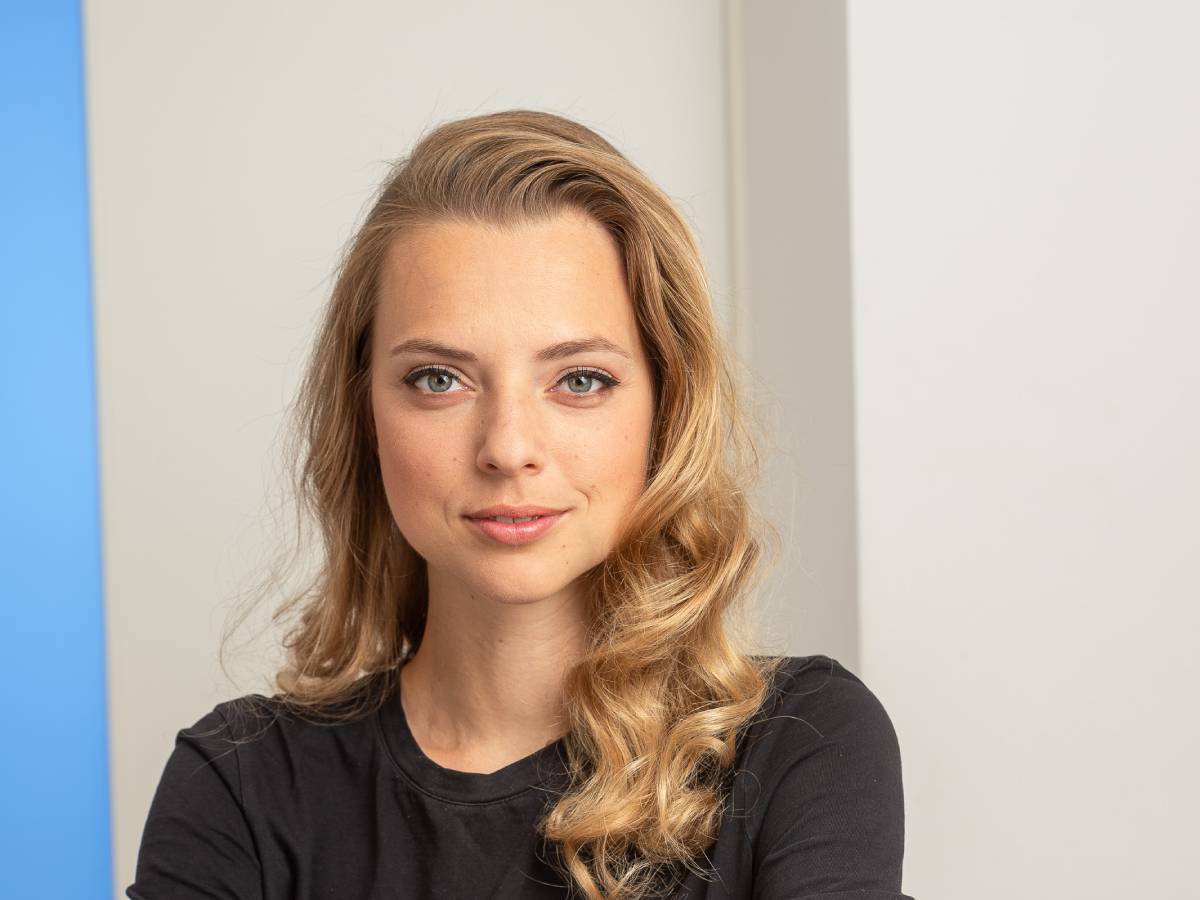
From bootstrapping in Europe to building satellite-powered climate solutions in the Gulf, Daria Stepanova’s journey with AIRMO is anything but conventional. Now on her fourth startup, the Berlin-based entrepreneur is taking aim at one of the most potent climate threats, methane emissions. In this wide-ranging conversation, Stepanova discusses why AIRMO chose Abu Dhabi as its regional launchpad, how emerging markets are driving momentum in climate tech, and what it takes to fundraise in the hard-science trenches of space and sustainability.
What drove you to join the startup world?
This isn’t my first startup, but diving in for the fourth time still feels just as real. What keeps me coming back is the energy of it all. A fast-paced, creative environment, highly motivated and passionate people, and, well, a great opportunity to chase your dreams on your own terms. At AIRMO, that energy is amplified. Our team of 25 enthusiasts are at the intersection of space and climate tech, partnering with governments and some of the world’s largest energy companies to build solutions that can truly shape the future for humanity.
Why did you choose the Middle East as the place to start/expand the business?
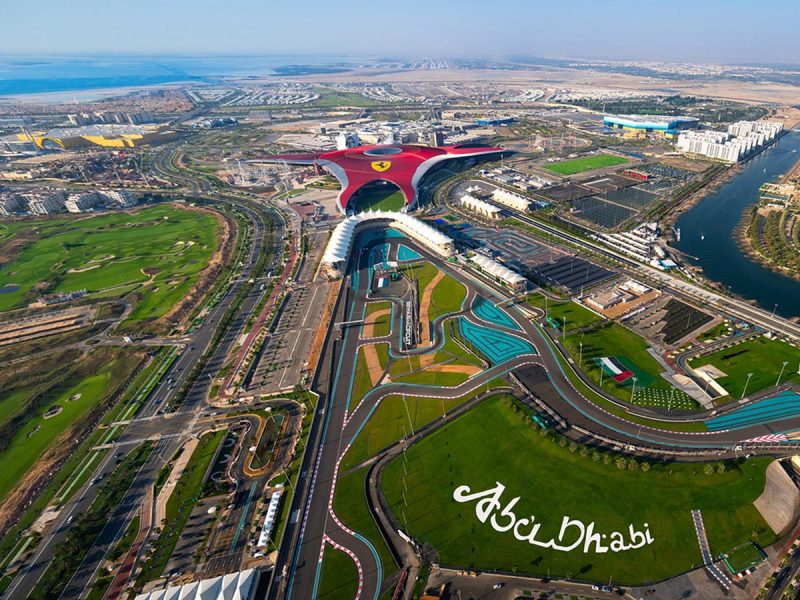
For a startup like AIRMO, specialising in methane monitoring, the Middle East is the place to be. Home to the world’s largest fossil fuel reserves and some of the most influential energy companies, the region offers immense opportunities. Establishing a presence in Abu Dhabi through Hub71 has helped us connect with a broader network of partners and gain a deeper understanding of how innovation is shaping the world from Abu Dhabi.
What’s truly interesting is that the region is not just reacting to climate change but is also leading the charge. The commitments made during COP28 in Dubai made that clear. Gulf countries are investing heavily in sustainability, and we see real opportunities to collaborate with key players to accelerate progress.
How would you describe the region’s startup scene in three words?
Fast-growing, ambitious, but selective.
We have started building relationships in Saudi Arabia with KAUST, FalconViz, and Aramco and are gaining traction in Oman. In Abu Dhabi, being part of the Hub71 community has provided us with valuable exposure to the regional ecosystem and opened doors to new conversations and collaborations.
The momentum is real, but compared to Europe, the ecosystem is still in its early stages. Investors here tend to be more cautious, often focusing on mature, revenue-generating companies rather than early-stage deep tech or sustainability ventures. But that is beginning to change.
Is there something that has surprised you in your journey?
Surprises await every day; you just need to keep your eyes wide open and stay aware. However, the most astonishing part of a founder’s journey is the people around you, such as the team we have at AIRMO. On the other hand, when it comes to hidden obstacles, it’s surprising how bureaucracy can slowly poison good initiatives. But you never know unless you try.
What are (in your view) the keys to approaching investors successfully?
The ability to communicate your vision is essential. Investors back founders who inspire confidence in something bigger than the pitch deck. Beyond that, timing and research matter. Understanding who you are speaking to, learning from other founders and being honest about what kind of investor you need can make all the difference. There is also an element of luck, but good preparation tends to create better outcomes when the right moment comes.
What was the most challenging part of raising funding, and how did you overcome it?
The most challenging part is figuring out who your ideal investor is. Space and ClimateTech startups are still somewhat exotic. As a founder, you take on a dual role – not only pioneering technology but also finding ways to communicate your vision for a better future. The challenge is not just building the tech but also convincing VCs of its impact and potential.
What is the best piece of financial advice you have received?
Be profitable! It sounds simple, but it is fundamental. Profitability gives you freedom, resilience, and control, especially in uncertain markets. From the start, we have focused on building a sustainable business model rather than chasing growth at any cost. That mindset continues to guide every decision we make.
What has been your biggest success and your biggest failure?
Our greatest success has been gaining recognition from both the industry and scientific communities. Being recognised by enterprise partners, government stakeholders, and leading climate researchers is a strong validation of what we are building. As for failure, one of the hardest parts of the journey has been letting go of ideas that no longer serve the business. Some of them were exciting and full of potential, but not every good idea is the right one for where the company needs to go.
What is the best quality a leader can have?
Vision gives your team direction, inspires investors and keeps you moving forward even when the path is unclear. Integrity ensures that the way you build reflects what you stand for. You need both to lead effectively and to create something that lasts.
Where would you like to be in 5 years’ time?
AIRMO is already making a significant contribution to climate action across several regions. We started in the EU, expanded into Southeast Asia and the Gulf and are now entering the Caspian region. We’ve developed technology and solutions to detect methane more accurately for governments, helping to mitigate emissions in the energy and waste management sectors.
In five years, we plan to operate a constellation of 12 satellites, enabling real-time global methane monitoring. The data we collect will power more accurate climate models and support faster, smarter decisions in the fight against climate change.