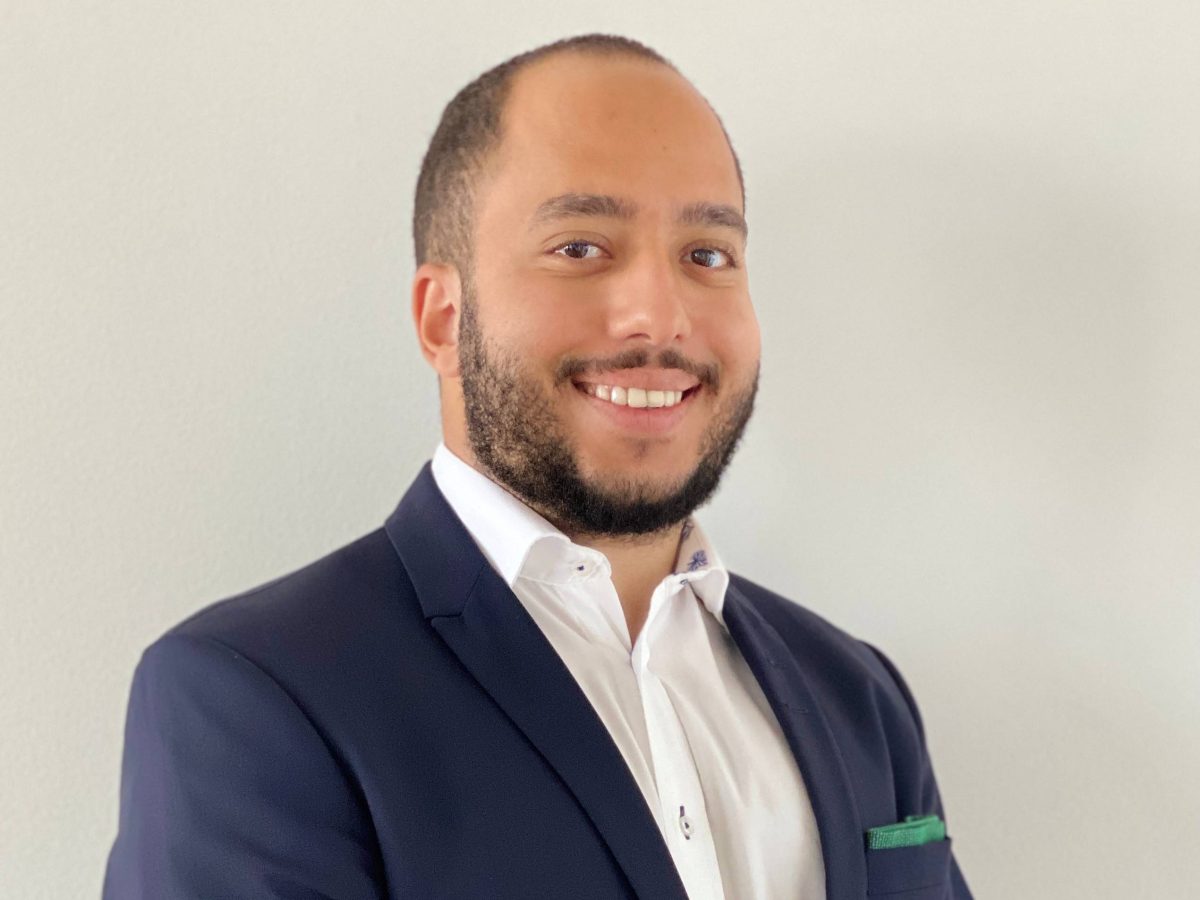
When Amir Rashad set out to solve his own supply chain challenges at a commodity trading house, he didn’t expect it would lead to a startup. What began as a personal tool evolved into Timber Exchange, a seed-stage company now aiming to become the global leader in timber market intelligence. From its base in the UAE, the platform is helping producers, distributors and shipping lines navigate one of the world’s most opaque industries with greater clarity and confidence.
What drove you to join the startup world?
I entered the startup world almost by accident. While working at a commodity trading house, I realized that the tools I needed to track the market and manage my supply chain simply didn’t exist. Out of necessity, I began building an internal solution for myself. As the scope and requirements grew, that tool evolved into a platform — and ultimately spun out into its own standalone company. What started as a practical fix for my own challenges became the foundation of a business serving an entire industry.
Why did you choose the Middle East as the place to start/expand the business?
The UAE is rapidly positioning itself as a global hub for knowledge and technology. From one location, you’re in the optimal time zone to connect with Asia, Europe, and the Americas. Government-backed initiatives and funding programs are widely available for ambitious ideas, and the ecosystem is rich with talent. Just as importantly, the culture here celebrates innovation and entrepreneurship — being surrounded by world-class founders and visionaries is incredibly inspiring. Programs such as the Mohamed bin Rashid Innovation Fund bring together high-caliber entrepreneurs who elevate the entire ecosystem.
How would you describe the region’s startup scene in three words?
Explosive
Collaborative
Optimistic
Is there something that has surprised you in your journey?
The biggest surprise has been the personal transformation that comes with building a startup. You expect business challenges, but what you don’t anticipate is how much you’ll grow as a person. Founders quickly become jacks of all trades — shifting between legal, development, sales, and storytelling in a single day. It’s both humbling and empowering, and it teaches you resilience, adaptability, and clarity under pressure.
What are (in your view) the keys to approaching investors successfully?
Every strong pitch has four essential elements:
- Tell a compelling story that captures attention.
- Present a realistic, credible case for a viable business.
- Demonstrate traction to prove market validation.
- Know your numbers better than anyone else.
When these elements come together, investors see not just potential, but execution capability.
What was the most challenging part of raising funding and how did you overcome it?
Building a startup in the early days often feels like jumping out of a plane and building the parachute on the way down. The challenge is staying focused — saying no to projects, features, or meetings that don’t serve the mission. Discipline and clarity are what keep you airborne. MBRIF has been a world-class partner on this journey. The program has provided us access to world-class mentors, opened doors to investors, and facilitated connections with potential business partners. Their support goes far beyond funding — it’s about accelerating growth and building the right foundation for scale. For startups, it’s the dream combination of guidance, credibility, and opportunity.
What is the best piece of financial advice you have received?
Keep your burn rate low. It gives you freedom to focus on building a strong business rather than constantly putting out financial fires.
What has been your biggest success and your biggest failure?
Biggest success: Signing some of the world’s largest companies in our industry as clients, and launching products that are now industry benchmarks. I am particularly proud of our “Do-Good” program — every time a company contributes to our global timber price index, we donate meals to families in need. Our goal is to provide more than one million meals in the coming year.
Biggest failure: Trying to scale too early without the right processes, people, or demand in place. It led to inefficiencies, a high burn rate, and frustration. I also assumed that a good product would sell itself, or that advertising alone could drive adoption — neither was true. The lesson was clear: success comes from deeply understanding your market and building strong, loyal communities.
What is the best quality a leader can have?
Relentless focus on execution, combined with fairness toward employees. A great leader drives results while creating an environment where people feel respected and motivated.
Where would you like to be in five years’ time?
In five years, we aim to be the global leader in timber market intelligence. Our mission is to help producers, distributors, shipping lines, and industrial users navigate this opaque and volatile market with confidence. By reducing costly mistakes and providing reliable insights, we want to transform how the industry makes decisions — and ensure that what we’re already solving today becomes the global standard.