The Middle East and North Africa (MENA) region is grappling with mounting waste challenges, with up to 95% of waste disposed of in landfills. This pressing issue has catalysed innovative startups like Nadeera Technologies LTD, a social enterprise co-founded by Rabih El Chaar. Nadeera aims to instil circular economy practices through its technology-driven solutions, making recycling accessible and rewarding. Its flagship platform, “Yalla Return,” simplifies recycling by offering incentives and cost-efficient waste management strategies.
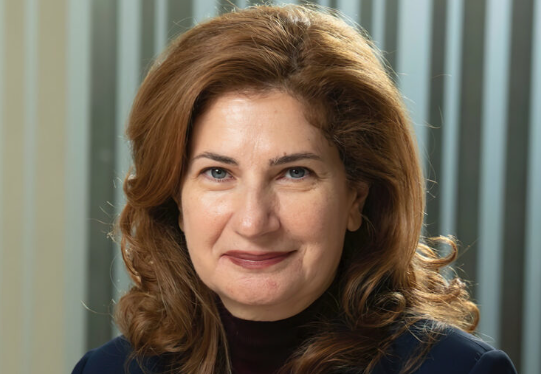
In a conversation with Finance Middle East, El Chaar, who has been active in the waste management space since 2016, shared insights on the regional startup landscape, Nadeera’s mission, and the importance of sustainability in shaping the future of MENA economies. The UAE’s support for green innovation, including initiatives like the Mohammed Bin Rashid Innovation Fund (MBRIF), has played a crucial role in helping Nadeera gain resources and scale its operations.
What drove you to join the startup world?
Nadeera’s co-founders and I have been involved in the waste management sector since 2016 and gained insights into why recycling rates continue to be depressed regionally and globally. Wanting to make an impact and change the linear disposal-based economic mindset that was being applied, we created Nadeera. We ensured that the company’s economic model is tied to impact, with revenue generated through material recovery and environmental contribution.
Why did you choose the Middle East as the place to start/expand the business?
Today, up to 95% of the Middle East and North Africa’s (MENA) waste is disposed of, with MENA countries currently being challenged by increasing waste generation rates and rising socio-economic waste-related costs. We saw this reality as an opportunity to create an impact in a fast-growing, untapped market. Additionally, we are from the Middle East and wanted positively to contribute to our communities given the fragility of this region in terms of resource availability.
How would you describe the region’s startup scene in three words?
Young but rapidly growing.
Is there something that has surprised you in your journey?
We learned a lot along the way about the waste management business and how business, in general, is conducted regionally, gaining further insights into current challenges that startups face, especially those who work in sustainability. What stood out, however, was the forward-thinking approach of the UAE community and the significant support extended by public institutions toward environmentally aligned companies. Initiatives like the Mohammed Bin Rashid Innovation Fund (MBRIF) have provided platforms for startups like ours to gain access to valuable resources and networks, reinforcing the UAE’s reputation as a supportive hub for sustainability-driven innovations.
What are (in your view) the keys to approaching investors successfully?
Startup founders must be data-driven when approaching investors; it’s a numbers game. Startups need to ensure that key metrics and financial performance indicators are documented and verified to showcase their potential and boost investor confidence. Startup founders also need to have a clear roadmap highlighting the return on investment expected for investors and the anticipated timeline for key milestones.
What was the most challenging part of raising funding and how did you overcome it?
Fundraising is a long and time-consuming process, requiring founders to dedicate a large portion of their time and effort. Startups need to ensure they are approaching the right investors, those who are interested in their product, aligned with their end goals and mission, and who can unlock doors for them. Additionally, Founders need to familiarize themselves with the different methods through which investors provide funding, such as SAFE notes or Convertibles, and the legal and financial implications of each. We were able to overcome these challenges by leveraging the available digital learning tools and hiring the right experts.
What is the best piece of financial advice you have received?
Try not to give up a lot of equity in the early stages of your startup. A successful startup will participate in several rounds of funding, and founders should limit the amount of equity they give early on to avoid losing control or heavily diluting their shares in later rounds.
What has been your biggest success and your biggest failure?
Our product users are our biggest success, and getting people to start their recycling journey and adopt positive environmental behaviours is our biggest source of pride and the reason we continue to grow and advance. Our biggest challenge is getting people to start this journey with us.
What is the best quality a leader can have?
A leader should always have a long-term strategic mindset and promote a collaborative rather than a competitive mindset among the team.
Where would you like to be in five years’ time?
We are currently working on applying for Yalla Return at municipal and city scales. We see Yalla Return in a few years being used at scale across current and new geographies where recycling rates are low, such as in North America and the global south, where we are working on expanding.