The UAE is looking to become one of the world’s most welcoming environments for businesses.
Key to this strategy are the emirate’s more than 40 multidisciplinary free zones. These are characterised by their highly efficient infrastructures and distinct services that facilitate smooth workflows, saving businesses considerable time and effort and connecting business leaders with relevant experts.
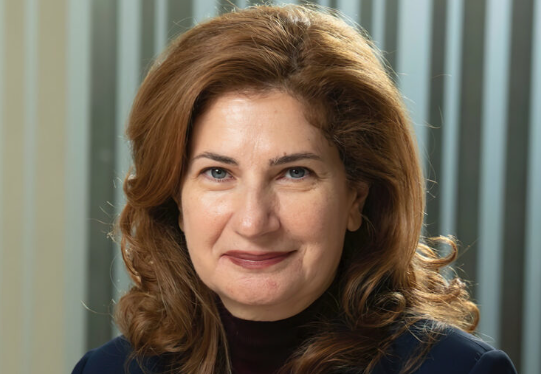
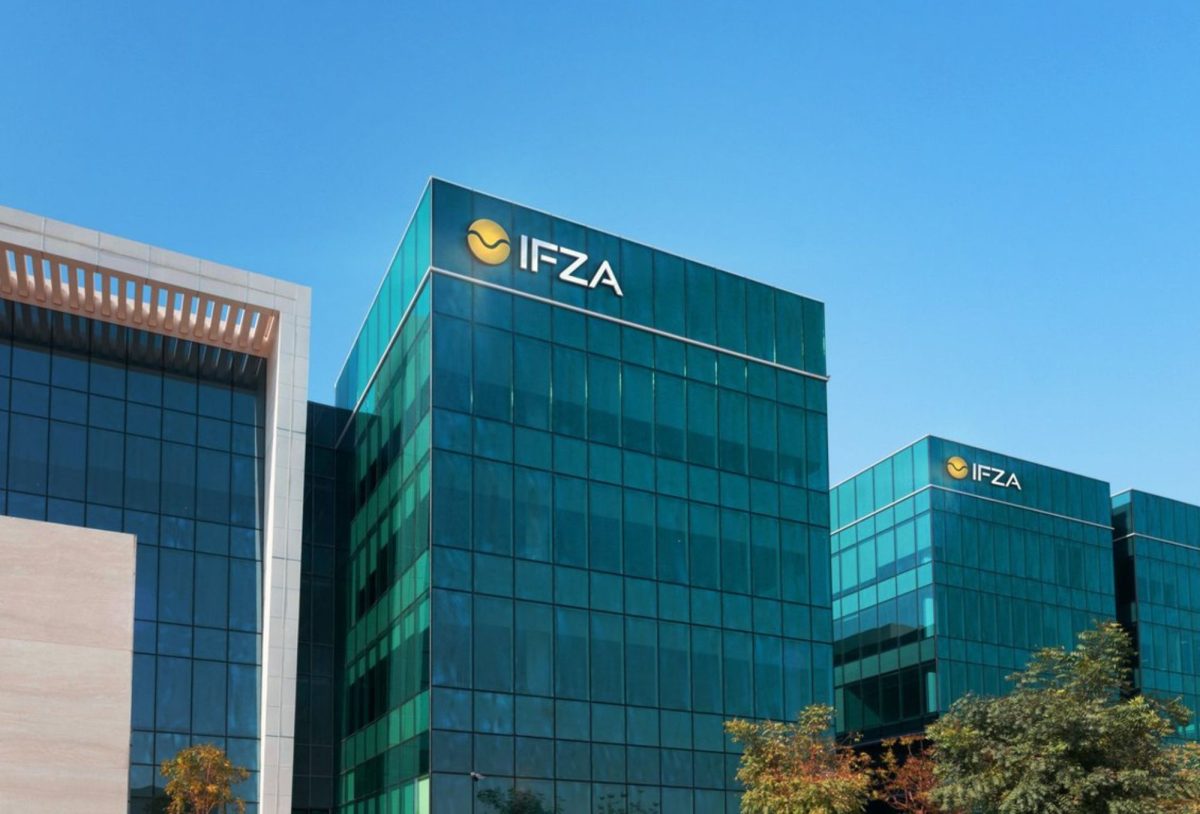
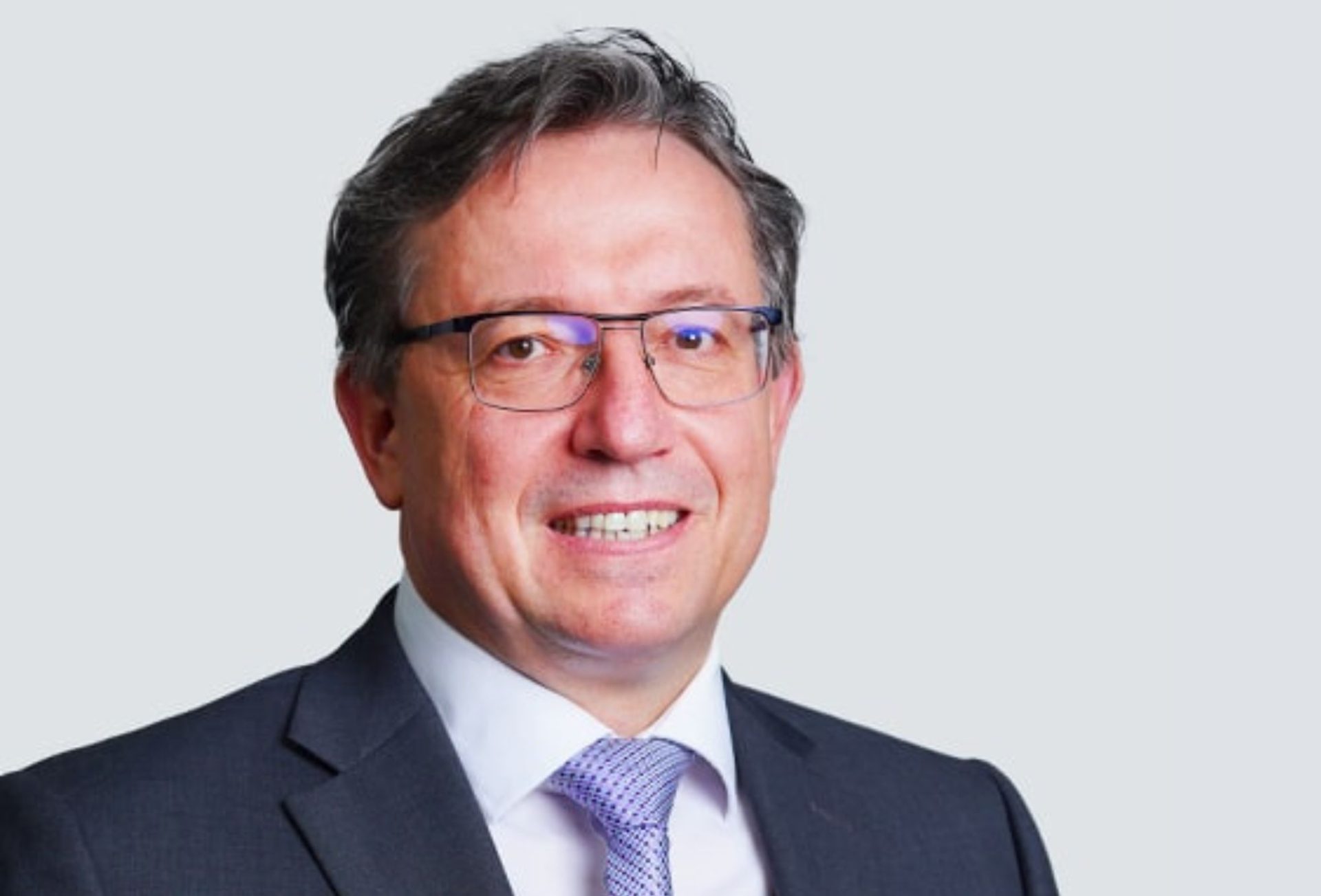
In a recent podcast interview, Holger Schlechter, CFO at IFZA discussed key topics such as the UAE’s thriving business ecosystem and its support for startups entering the market. Moreover, he breaks down the impact of tax and regulatory changes on the country’s businesses and advises companies looking to succeed in the region.
The following transcript has been edited for length and clarity. Listen to the full interview here.
What brings us to the podcast today is talking about the UAE’s thriving business landscape and growing startup ecosystem. What do you think are the keys to its success?
There are a couple of points that are supporting the driving ecosystem for startups. I think that the supportive government policy is one of the reasons, and also the access to capital, the great location and the open culture for innovation. I think that really makes the difference and is the basis for successful startups.
What sectors are you seeing experiencing right now the highest growth?
At IFZA, a huge majority of our licensees are small and medium-sized companies. The areas we see the most are IT, marketing and consulting. But, overall, there is a huge variety of different businesses you can see starting here. Marketing and IT might be the biggest ones.
Does that include companies starting from the UAE, or also companies coming from other countries?
A lot of companies are coming from the outside. People move here, they start a business here, or they open a second company, a subsidiary. More than 50% is coming from outside of the UAE.
What are some of the challenges that companies face when starting a business in the UAE?
It’s very simple. The setup process here in the UAE is not that complicated, but the biggest challenge is how to do what when. If you are not experienced with setting up a business in the UAE, you might struggle. At IFZA, we take care of that. That means that, when you start a business here, from the first day on, you can focus on your own business. You don’t have to deal with all the admin work, with all the setup, with all the problems, we help you to guide you through all that. Again, if you try to do that by yourself, you can do it, but might take much longer, and you cannot focus for the first two, or three months on your own business. That can be a big problem.
The process is also very digital
Yeah, you can even start the application process from the outside. When you reach out to IFZA, you don’t even have to be here in the country. We can help you. We can start setting up the business from the outside.
The UAE has done a really good job in trying to streamline that and make it as easy as possible. What can other countries in the region learn from this approach?
Digitalisation is maybe one. But, in general, the free zone concept in the UAE, we have more than 50 free zones that are really supporting foreign direct investment. It makes it so much easier to open the company in a free zone instead of on the mainland. If you compare that, for example, in Europe, the free zone concept is not that common. There are free zones almost all over the world, but in the UAE, again, having 50 of these free zones makes a difference.
Are there any indicators that you see of a company that signal that they’ll be successful?
That’s always a question we get: how to be successful? For me, as a finance guy, I think you have to understand the market. You can develop the best product in the world, but, if you don’t have a market, then it’s going to be possible to be successful. So market market-driven developments are successful. It’s also about finding the right time for the product.
The other side is coming from finance. You have to monitor and have an eye on your fixed costs because you might run out of money before you’re going to be successful. If you have the right product, your approach to market might take a while to be successful, and with low fixed costs, you can get over this time, and then after that, it’s going to be easier.
As a lot of startups are coming in right now, do you see also a lot of competition?
It depends on your product. If you have a unique selling point for your product, then it’s not about the competition. But, even with new products, it’s always a challenge, and then you have to compete with other markets. As said, market access is very important, even if you compete with other products, maybe better products. If you have access to the market, you can still be successful.

In November, is going to be a full year since the UAE introduced corporate tax. How has that impacted businesses?
Tax is new here in the UAE, and I think over the last 12 months, there have been a lot of discussions about corporate income tax. Overall, people come and see us and have a lot of questions about corporate income tax. But in general, we need to understand that you still can be eligible for a 0% tax rate. If you are a free zone company, there are other exemptions, like small business relief, where if your revenue is not bigger than Dh3 million, then you still are eligible for a 0% tax rate.
On the other side, the world has changed a little bit, because now you have to have proper bookkeeping and you have to register for corporate tax, and that is happening right now. People sometimes think “My first filing with the FDA will be in 2025 in September 2025, that’s a long time to go”. But again, you need to have your books and your financials ready in 2024. If you haven’t done so, you should start sorting that out immediately,
How does IFZA help companies navigate regulatory changes?
At IFZA, we support with bookkeeping services. We help with corporate tax registration and VAT registration. We have webinar trainings, where we explain what it means, what are the obstacles, and what might be an issue. Getting that across is very important to help startups. Startups, they don’t have, like, maybe a big finance department, they don’t have admin people who can take care of that so we support them as much as possible with information and help them deal with these kinds of issues.
Looking towards the future, the next three to five years, where do you want IFZA to be?
It used to be quite common to have a five-year plan, but I think it’s not like that anymore. After all the macroeconomic changes and, war and COVID, I think it’s almost impossible to look five years into the future. Also, with artificial intelligence, I’m sure the business will not be the same in five years from now anymore.
The only thing that’s clear is that five years from now, the business will not be the same anymore. If you look into the finance department, if you look into startups, all that will change. There might not be a need to travel anymore. We can show them offices remotely. We can show them what they can expect and what the business will be like here in the UAE. I’m really looking forward to all these new developments.
Is there anything else that you want to add?
I think we need to make sure that we focus on the customer and on the market. For us, it’s all about our licensees and their needs. We don’t just want to offer a license or a visa, we want to offer a solution.